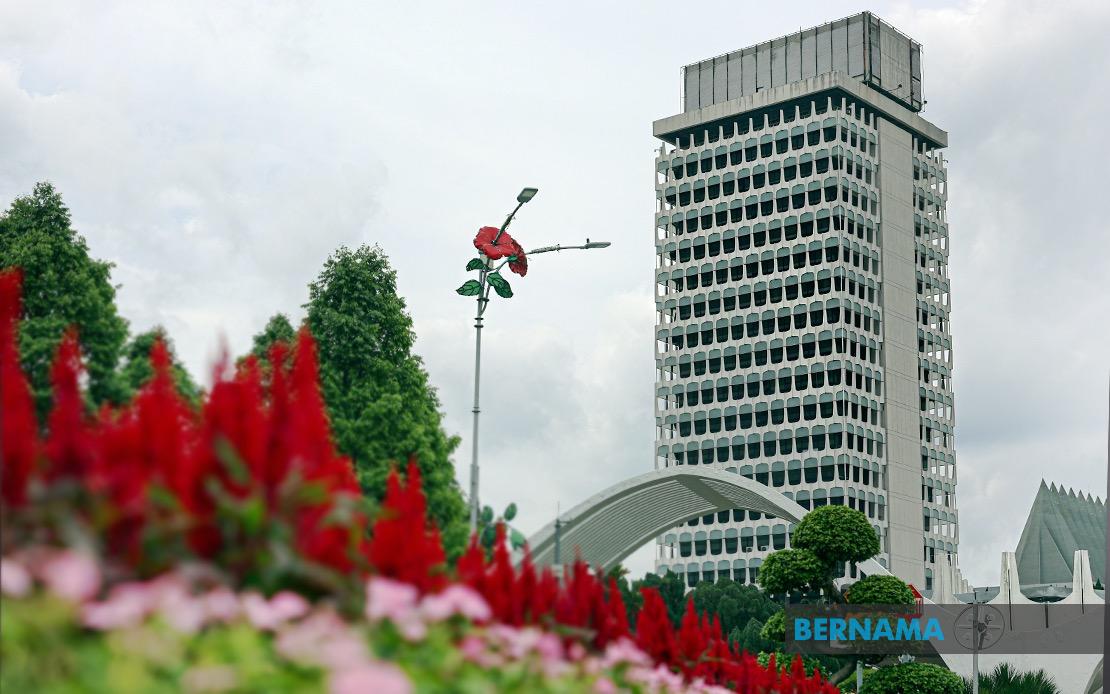
Malaysia's Dewan Rakyat will begin its Second Meeting of the Fifth Session on Monday, marking the start of a significant legislative period that will extend through July 16. The sitting promises to be contentious, dominated by several constitutional amendments that have already proven divisive in previous parliamentary attempts, alongside practical reforms aimed at curbing dangerous driving behaviours that continue to plague Malaysian roads.
Two constitutional bills dominate the agenda, both returning for fresh consideration after their initial attempts faltered. The Constitution (Amendment) Bill 2026, which proposes to limit a Prime Minister's consecutive tenure to a maximum of ten years, failed to achieve the two-thirds majority required during its first tabling. This safeguard against extended executive power remains controversial, touching on fundamental questions about democratic governance and term limits that have occupied constitutional scholars and political observers across Southeast Asia. The specific wording and implementation mechanisms for such tenure restrictions carry implications extending beyond Malaysia, as neighbouring countries grapple with similar debates about executive accountability.
Equally significant is the Constitution (Amendment) Bill (No. 2) 2026, which seeks to unbundle the roles of Attorney General and Public Prosecutor into separate offices. Currently concentrated in a single position, this consolidation of prosecutorial and legal advisory authority has long been scrutinised by legal experts and civil society advocates who argue that separating these functions would strengthen judicial independence and reduce potential conflicts of interest. The bill's referral to the Parliamentary Special Select Committee for deeper examination indicates recognition of its constitutional complexity, though questions persist about whether the committee's deliberations will substantially reshape the proposal or merely rubber-stamp it.
Beyond constitutional matters, Transport Minister Anthony Loke has prioritised amendments to the Road Transport Act 1987, scheduled for tabling and debate during the session's opening days. These revisions address an escalating public safety crisis centred on illegal street racing and organised motorcycle syndicates. The proposed changes span eleven distinct areas and modify forty-two individual clauses, reflecting the government's recognition that piecemeal enforcement has failed to deter dangerous driving. Loke has emphasised that the amendments specifically target so-called "tonto" syndicates—organised groups engaged in illegal racing—while simultaneously strengthening enforcement mechanisms to ensure compliance and enhance overall road safety.
The scale of the transport amendments underscores how Malaysia's road safety challenges demand legislative responses. Street racing incidents have claimed lives, traumatised communities, and created public anxiety particularly among families with young drivers. By recalibrating penalties, enforcement powers, and evidentiary standards, the government appears to be shifting from reactive prosecution toward preventative deterrence. The effectiveness of these measures will likely depend less on their legislative sophistication than on sustained enforcement commitment and cooperation between police, transport authorities, and local governments—areas where Malaysia has historically struggled with coordination.
The sixteen-day sitting also anticipates broader policy discussions extending beyond the immediate legislative agenda. Parliament is expected to examine Malaysia's vulnerability to global energy supply disruptions, particularly given the ongoing geopolitical tensions in West Asia that have destabilised international energy markets. For a nation that remains significantly dependent on energy imports and whose economy is sensitive to commodity price fluctuations, these parliamentary discussions carry material weight. Rising energy costs cascade through Malaysian society, affecting manufacturing competitiveness, transportation expenses, and ultimately household electricity and fuel prices—concerns that touch nearly every citizen directly.
Yet amid these substantive policy debates, the Dewan Rakyat speaker Tan Sri Johari Abdul has sounded a cautionary note about parliamentary conduct itself. His reminders to MPs about maintaining orderly debate and focusing on factual analysis rather than partisan posturing reflect underlying tension about whether Parliament functions as a deliberative institution or as theatre for political grandstanding. The speaker's emphasis on evidence-based discussion, cost-of-living solutions, and constructive debate suggests concern that recent parliamentary sessions have devolved into unproductive rhetorical combat divorced from practical problem-solving.
Complicating matters is the concurrent Johor State Election, which Johari specifically identified as a potential distraction from parliamentary duties. The timing creates obvious tensions—MPs face dual pressures to campaign in their constituencies while maintaining parliamentary attendance, and some may be tempted to weaponise parliamentary proceedings for electoral advantage. The speaker's insistence that MPs resist such temptation and treat the Dewan Rakyat as a serious legislative venue rather than a campaign platform reflects perennial challenges facing Westminster-style parliaments operating within partisan political environments. Whether MPs will heed this exhortation remains an open question.
The speaker's broader call for responsible representation touches issues that resonate across Malaysian society. Education quality, healthcare accessibility, employment opportunities, and affordability of essential services represent persistent public concerns that transcend party lines. Yet parliamentary debate on these matters frequently becomes mired in blame-shifting and ideological posturing rather than genuine problem analysis and solution-building. Johari's implicit critique is that Parliament can contribute meaningfully to governance only if MPs treat legislative sessions as opportunities for serious policy work rather than ammunition for political conflict.
Additionally, the Dewan Negara will commence its own ten-day sitting from July 20 through August 4, providing the upper house opportunity to review legislation passed by the lower chamber and deliberate on its own agenda items. The timing, commencing shortly after the Dewan Rakyat concludes, suggests a closely coordinated legislative calendar designed to maintain parliamentary momentum through the mid-year period. This sequencing allows the Senate to scrutinise lower-house legislation while the latter remains actively engaged, facilitating potential amendments or clarifications before final passage.
For Malaysian observers and regional watchers alike, this parliamentary session crystallises contemporary tensions in Malaysian governance. Constitutional amendments addressing executive power and judicial independence reflect ongoing debates about democratic safeguards and institutional balance. Road safety legislation demonstrates government responsiveness to acute public concerns about street violence. Energy policy discussions address Malaysia's integration into global supply chains and vulnerability to international disruption. Meanwhile, parliamentary conduct itself—how MPs deliberate, whether they prioritise national interest over partisan advantage, whether they contribute substantive analysis or rhetorical flourish—ultimately determines whether legislatures strengthen or undermine democratic governance. The Dewan Rakyat's next sixteen days will test whether Malaysian parliamentarians can navigate these competing demands responsibly.

