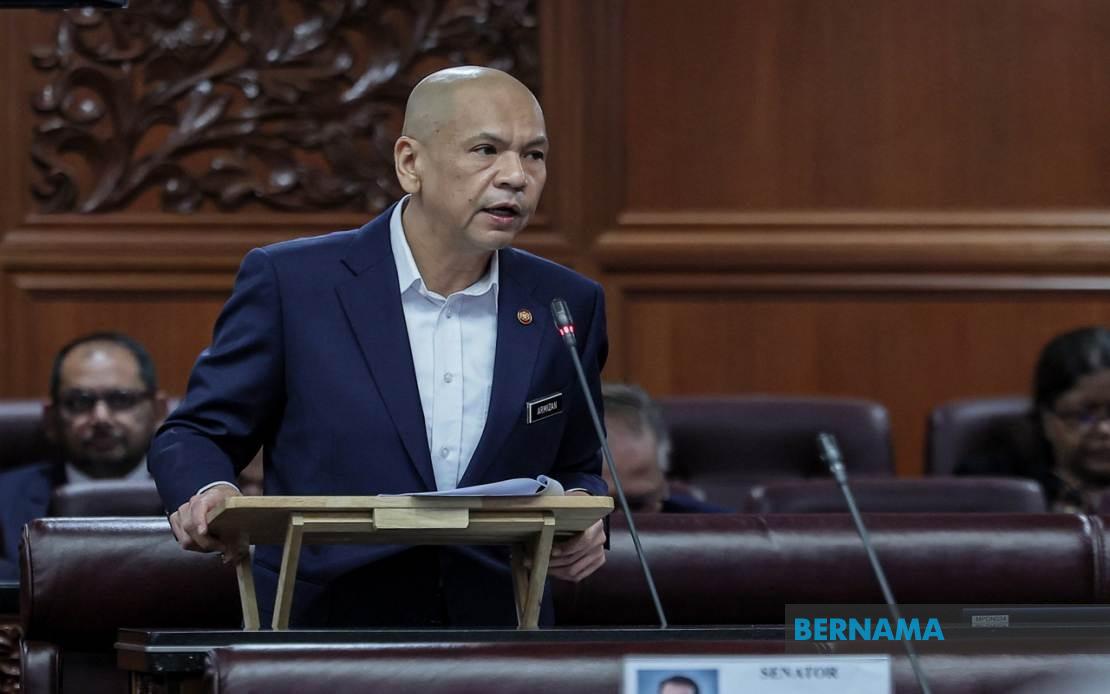
The Malaysian government moved forward this week with sweeping changes to the country's competition framework, introducing two amendment bills in Parliament that represent the most substantial overhaul of competition law in over a decade. Domestic Trade and Cost of Living Minister Datuk Armizan Mohd Ali tabled the Competition (Amendment) Bill 2026 and the Competition Commission (Amendment) Bill 2026 for their first reading, with both measures expected to proceed to second reading during the current parliamentary session. The dual bills signal a determined regulatory pivot toward strengthening the Malaysia Competition Commission's capacity to investigate breaches, enforce compliance, and oversee market conduct across the economy.
The Competition (Amendment) Bill 2026 targets the foundational Competition Act 2010, introducing changes that would fundamentally reshape how the MyCC operates and what sectors fall under its supervision. Currently, the competition regime focuses narrowly on commercial activities, but the proposed amendments would expand that scope to encompass all economic activities. This shift carries profound implications for sectors previously operating at the periphery of competition oversight, including government-linked enterprises, utilities, and services delivered by public authorities. For Malaysian businesses, particularly small and medium enterprises competing against larger incumbents, this expansion could level an uneven playing field where certain competitors benefited from regulatory blind spots.
A critical enhancement lies in MyCC's investigative toolkit. Under the proposed Clause 7, the commission would gain explicit power to demand information and documentation from any individual or government entity when conducting market reviews. Previously, such requests operated within narrower constraints, sometimes limiting MyCC's ability to uncover anti-competitive conduct or establish facts during investigations. This broadened authority mirrors approaches adopted by competition authorities in developed economies and reflects global best practice in building investigative capacity. For multinational firms operating across Southeast Asia, Malaysia's enhanced investigative reach means greater scrutiny of compliance records and competitive practices.
The bills also introduce new criminal sanctions targeting deliberate obstruction of investigations. Clause 13 of the Competition (Amendment) Bill proposes making it an offense to intentionally destroy, conceal, deface or alter data and materials with intent to mislead MyCC or impede its enforcement work. This provision addresses a persistent challenge facing competition authorities worldwide: the destruction of evidence during investigations. By criminalising such conduct, Malaysia signals that it will not tolerate attempts to shield anti-competitive activity from regulatory detection. The measure should strengthen enforcement credibility and deter companies from engaging in cover-ups when investigations commence.
Internal governance reforms feature prominently in the Competition Commission (Amendment) Bill 2026. Clause 10 would permit MyCC to delegate functions and powers to its leadership, committees, and staff, streamlining decision-making and allowing more distributed authority within the organization. This restructuring acknowledges that centralized decision-making can slow enforcement and create bottlenecks as caseloads grow. By distributing authority more flexibly, MyCC can respond more nimbly to competition concerns and allocate resources where they prove most impactful. The administrative adjustment may seem technical, but it carries operational significance for the speed and effectiveness of competition enforcement.
Transparency in personnel appointments receives attention through Subclause 12(a), which shifts the appointment of MyCC officers from external ministerial discretion toward recommendations initiated by the chief executive officer and approved by the commission itself. This reform aims to insulate career appointments from political influence and enhance the independence of the regulator. For international investors assessing Malaysia's institutional credibility, improvements to regulatory independence matter considerably. A competition authority perceived as influenced by political winds loses moral authority and invites skepticism about whether enforcement decisions reflect commercial concerns or political preferences.
Clause 8 of the Commission amendment bill clarifies and expands MyCC's advisory role to government ministries, public authorities, and sectoral regulators on competition matters spanning policies, procedures, and programmes. Competition considerations increasingly intersect with industrial policy, trade policy, and sectoral regulation across telecommunications, energy, and transport. By formally establishing MyCC's advisory standing, the bills position the commission to inject competition thinking into policy deliberation at higher government levels. This mainstreaming of competition consciousness could prevent future policies that inadvertently entrench anti-competitive structures or protected incumbencies.
The proposed amendments arrive at a moment when Malaysian policymakers grapple with rising consumer prices, business consolidation, and perceived market concentration in key sectors. Competition enforcement offers a non-tariff policy lever for addressing consumer welfare concerns without resorting to price controls or subsidies. Enhanced MyCC authority and expanded sectoral coverage could help identify and prosecute cartels, abuse of dominance, and anti-competitive agreements that inflame prices. For Malaysian consumers and retailers facing margin pressures, a more assertive competition regulator represents a potentially important counterweight to concentrated supplier power.
The timing and substance of these bills also reflect Malaysia's positioning within regional and global competition communities. The Association of Southeast Asian Nations and international bodies increasingly emphasize convergence toward modern competition standards. Malaysia's amendments draw from international best practice, suggesting policymakers seek alignment with regional neighbours and trading partners. Harmonization reduces compliance costs for multinational enterprises operating across the region and signals Malaysia's commitment to open, contestable markets.
Implementation will prove decisive. Legislative change means little without adequate funding, training, and institutional will to deploy expanded powers robustly. MyCC will require enlarged budget allocations to handle expanded jurisdiction, hire specialized investigators and economists, and process a growing caseload. Parliamentary approval of the bills represents the first step; translating new authority into meaningful enforcement activity demands sustained commitment. Malaysian businesses and consumers will ultimately judge these amendments by whether MyCC becomes demonstrably more effective at uncovering and preventing anti-competitive conduct.
The bills also acknowledge evolving enforcement challenges including digital markets, e-commerce, and data-driven competitive dynamics that the 2010 Act struggled to address comprehensively. By updating investigative powers and decision-making structures, the government attempts to equip MyCC for contemporary competition issues while maintaining legal consistency with established frameworks. For market participants, the amendments signal that competition law enforcement will intensify and broaden, warranting renewed attention to compliance programmes and competitive conduct.
With second reading anticipated soon, these amendments appear poised for passage, reflecting what appears to be cross-party parliamentary consensus on strengthening competition regulation. Implementation timelines and accompanying regulatory guidance will now determine how quickly businesses must adapt to the new landscape. Regional competitors monitoring Malaysia's regulatory evolution should anticipate a more assertive enforcement environment once these amendments take effect.

