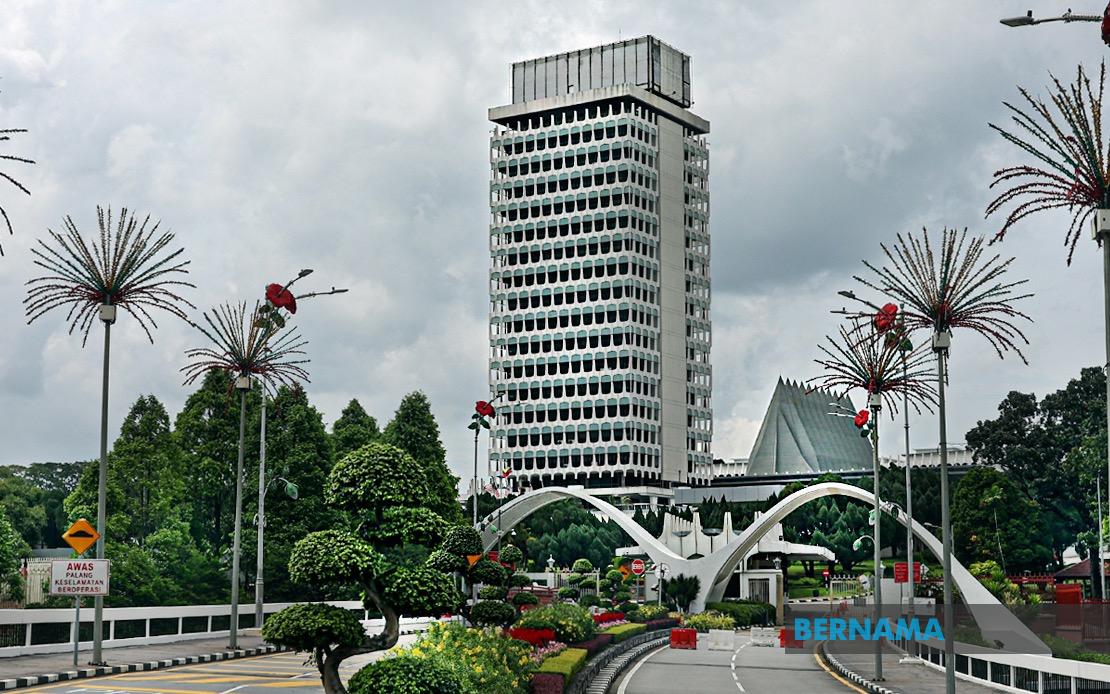
Parliament will turn its attention today to several critical domestic and regional matters, with lawmakers scheduled to scrutinise the rollout of Malaysia's Corporate Renewable Energy Supply Scheme (CRESS) alongside broader questions about the nation's foreign policy stance towards Myanmar and emerging challenges around data security and economic resilience.
The deliberations represent a snapshot of the interconnected pressures facing policymakers as Malaysia navigates the transition to cleaner energy, manages relationships in an unstable neighbourhood, and positions itself as a technology hub in an increasingly contested region. Energy sector representatives and government ministers will face pointed questions about implementation timelines and effectiveness, underscoring lingering concerns about whether Malaysia's renewable ambitions are translating into tangible industry participation and measurable results.
Rodziah Ismail, representing Ampang, intends to probe the Minister of Energy Transition and Water Transformation on CRESS uptake rates and the number of companies actively participating in the scheme. Her inquiry extends beyond participation figures to encompass the results of a System Access Charge rate review, a technical but consequential element affecting the operating economics for data centres. The line of questioning reflects anxiety within the business community about whether regulatory settings will enable Malaysia to compete as a regional data centre destination, a sector increasingly vital to attracting high-value investments and positioning the country within Southeast Asia's digital economy hierarchy.
The broader energy crisis looming over global markets has prompted parallel concerns about employment and business stability. Mohd Syahir Che Sulaiman from Bachok will ask the Minister of Economy what specific mitigation strategies the National Economic Action Council has deployed to counter rising job losses and contracting business activity. This reflects deepening worry among policymakers and constituents that Malaysia risks being caught between volatile energy prices and structural economic pressures, a particularly acute concern for developing economies dependent on stable input costs.
Fuel subsidy targeting mechanisms will also come under legislative review. Datuk Seri Hasni Mohammad seeks clarity from the Finance Minister regarding the rationale for standardising subsidies through MyKad identification, particularly for diesel, and whether the 200-litre entitlement for both petrol and diesel adequately meets consumer needs. The subsidy debate carries significant political weight in Malaysia, where transport and agricultural sectors depend heavily on fuel costs, and any perceived inadequacy of entitlements can spark public backlash.
Meanwhile, Malaysia's diplomatic posture towards Myanmar remains contested terrain in parliament. William Leong Jee Keen intends to question the Foreign Minister on how Malaysia's current stance towards the Myanmar government aligns with the Five-Point Consensus framework, and whether progress under that mechanism is genuinely reflected in policy formulation. The Five-Point Consensus, brokered through ASEAN, seeks to address Myanmar's political crisis, but implementation has remained elusive amid military intransigence and deepening humanitarian concerns. The questioning suggests parliamentary scepticism about whether diplomatic initiatives are producing substantive outcomes or merely providing diplomatic cover for an unresolved conflict.
Data sovereignty emerges as another paramount concern. Datuk Seri Amirudin Shari will press the Digital Minister on mechanisms to align state-level data infrastructure projects, citing Selangor's Dark Fiber Network as an example, to ensure Malaysia maintains control over its digital assets and protects national security interests. The underlying anxiety reflects growing international competition for digital dominance and concerns that Malaysia could inadvertently cede strategic advantages if data infrastructure decisions remain fragmented across federal and state jurisdictions. Amirudin will also seek assurance that data sovereignty considerations are embedded in Malaysia's declared ambition to become an artificial intelligence-ready nation by 2030, suggesting tension between rapid technology adoption and safeguarding national interests.
The Prime Minister faces inquiries on educational and constitutional matters. Datuk Idris Ahmad will seek assessment of the Islamic Education curriculum's effectiveness and how the Federal Government coordinates with state-level Islamic Religious Councils to maintain consistent standards across Malaysia. Isnaraissah Munirah Majilis from Warisan will press for clarity on implementation progress under the Malaysia Agreement 1963 and the timeline for increasing parliamentary representation for Sabah and Sarawak to 35 per cent of total seats nationwide, a constitutional aspiration that touches on longstanding regional grievances and federalism dynamics.
A Public Accounts Committee briefing will examine whether increases in private health insurance premiums and hospital charges are imposing unsustainable burdens on public health systems and consumer protection. The inquiry involves the Finance Ministry, Health Ministry, and Bank Negara Malaysia, reflecting the multifaceted nature of healthcare affordability challenges extending across financial regulation, fiscal policy, and health service delivery. Following these question-and-answer sessions, parliament will resume debate on the Prisons Amendment Bill 2026.
This second meeting of the fifth session of the 15th Parliament will continue until July 16, providing a sustained opportunity to address accumulated policy questions and legislative business. The breadth of issues under consideration reflects the complexity of Malaysia's contemporary policy landscape, where energy transition ambitions, regional security imperatives, digital economy positioning, and domestic social cohesion demand simultaneous, coordinated attention from lawmakers and the executive branch.

