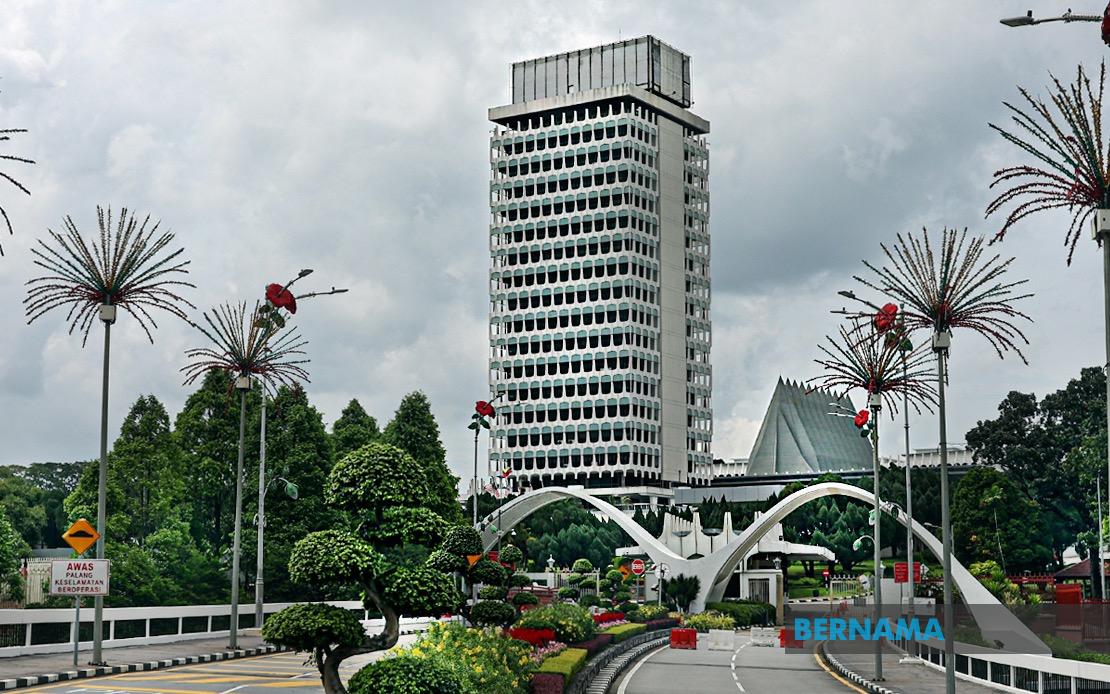
The Dewan Rakyat reconvened on June 24 for what promises to be a substantive parliamentary session focused on three critical policy areas affecting ordinary Malaysians: water security infrastructure, competition enforcement in the property sector, and digital protection measures for younger internet users. Scheduled to run until July 16, the 16-day sitting signals Parliament's determination to address mounting pressures on the nation's resources and regulatory framework.
Water scarcity remains a persistent challenge for Malaysia's most densely populated state. Suhaizan Kaiat, representing the Pulai constituency under the Pakatan Harapan banner, has tabled a question directed at the Energy Transition and Water Transformation Minister seeking detailed disclosure of the government's comprehensive strategy to bolster Johor's water supply capacity. The inquiry goes beyond surface-level responses, demanding clarity on concrete infrastructure investments including planned dam construction, expansion and modernisation of water treatment facilities, and the integration of recycled water systems into the state's supply network. For a state grappling with rapid urbanisation and industrial demand, these measures represent essential components of long-term water security rather than peripheral improvements.
Johor's water challenges carry implications across Southeast Asia's busiest economic corridor. The state supplies water to neighbouring Selangor and the Federal Territories, making its infrastructure decisions consequential for millions beyond its borders. Recycled water deployment, in particular, remains underutilised across Malaysia despite proven success in water-stressed regions globally. The parliamentary question signals growing recognition that conventional sources alone cannot sustain projected demand, necessitating investment in alternative water sources alongside traditional dam infrastructure.
Housing affordability has emerged as a flash point in Malaysian politics, and Parliament is now scrutinising the enforcement mechanisms tasked with protecting buyers from unfair practices. Datuk Seri Ismail Abd. Muttalib, the Maran Member representing Perikatan Nasional, has directed questions to the Domestic Trade and Cost of Living Minister concerning the Malaysia Competition Commission's capacity to police property market conduct. His inquiry specifically addresses whether MyCC possesses adequate tools and resources to detect and investigate suspected price-fixing cartels and coordinated market manipulation by developers and agents.
The housing question reflects frustration among lawmakers and constituents over property prices that have outpaced wage growth across most Malaysian states. Competition enforcement in residential real estate remains a grey area; while MyCC has jurisdiction over anti-competitive conduct, investigators face significant evidentiary challenges in establishing collusion among market participants who maintain ostensibly independent operations. The parliamentary exchange offers an opportunity to assess whether current enforcement approaches are yielding tangible results or merely creating an illusion of regulatory vigilance while prices continue climbing.
MyCC's institutional capacity has long been questioned by consumer advocates and economists. The commission operates with a modest budget relative to the sectors it oversees, and its enforcement record shows sporadic high-profile cases interspersed with periods of relative quiet. Whether MyCC possesses genuine independence to challenge powerful property developers connected to political and business networks remains a persistent concern. The parliament session may expose whether the minister's office views MyCC as a substantive guardian of market competition or primarily as a public relations shield against accusations of regulatory capture.
Digital rights and child safety converge in the third major parliamentary topic. Syahredzan Johan, the Bangi representative from Pakatan Harapan, has tabled questions about the government's age verification implementation framework for social media platforms. His inquiry specifically addresses the purpose and scope of age verification measures, suggesting possible ambiguity about whether the initiative prioritises child protection, user data security, or regulatory surveillance capacity. This distinction matters considerably for Malaysian users concerned about privacy implications.
The Communications Minister's response will clarify whether age verification serves primarily to prevent minors from accessing age-inappropriate content and protecting children from exploitation, or whether the system functions as a broader mechanism to collect personal identification data. Syahredzan's question also demands transparency regarding data minimisation principles; specifically, whether licensed service providers gain access only to essential personal attributes necessary for age verification, and crucially, whether companies face enforceable requirements to delete collected data once age confirmation is complete. In an era of recurring data breaches and heightened privacy concerns, these technical safeguards distinguish between proportionate regulation and surveillance architecture dressed in child-protection language.
Malaysia's approach to age verification will likely influence broader Southeast Asian policy. The region's digital economy encompasses hundreds of millions of social media users, many under 18, yet varies dramatically in privacy protection standards across member states. Malaysian lawmakers are effectively deciding whether to prioritise user anonymity and data protection or to implement identity-based digital ecosystems that enhance government and corporate access to personal information. The parliamentary sitting will indicate whether the government views age verification as a narrow technical solution or a foundational layer for expanded digital surveillance capabilities.
These three parliamentary topics, though seemingly disparate, collectively address how government regulation intersects with essential services and digital rights. Water infrastructure determines economic viability and public health across the region; competition enforcement shapes whether citizens face fair housing markets or coordinated price-fixing; digital age verification establishes precedent for government-platform relationships and individual privacy in Malaysia's rapidly evolving digital landscape. The Dewan Rakyat's engagement with these questions will signal whether Parliament functions as a serious forum for policy accountability or defaults to symbolic theatre while executives determine substantive outcomes behind closed doors.

