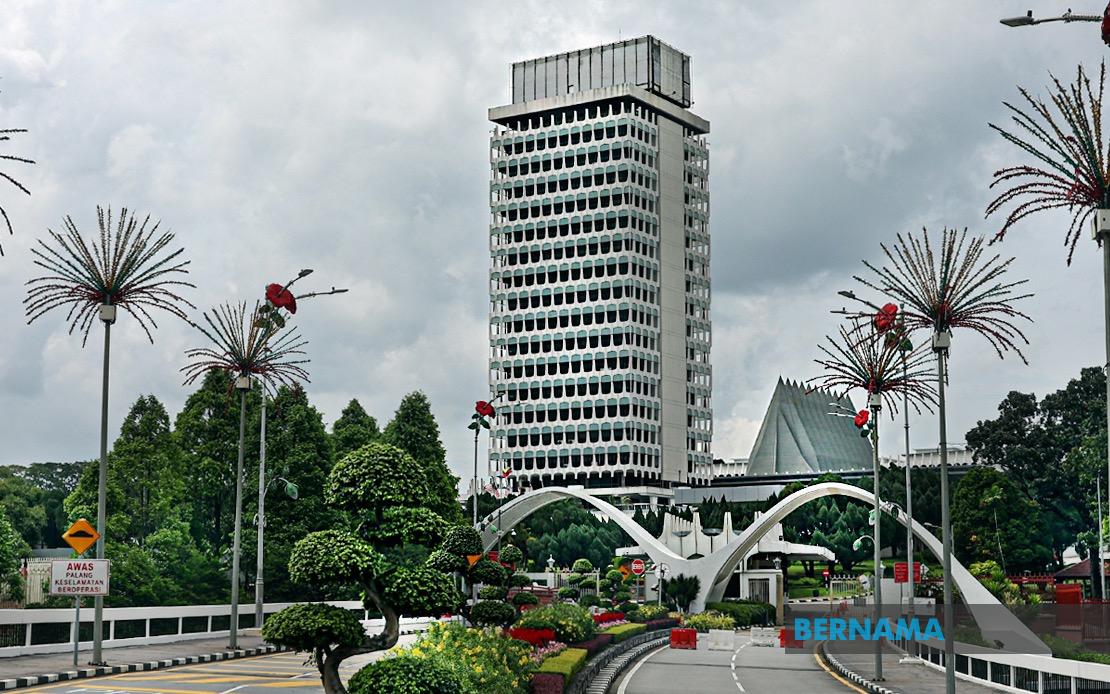
Malaysia's Parliament convened today for the opening session of its 15th sitting, with lawmakers preparing to scrutinise the government on several pressing matters that will shape economic policy and national security in the coming months. The agenda reflects growing concerns about global supply chain vulnerabilities, religious pilgrimage management, and the rapid advancement of digital technologies requiring urgent legislative oversight.
The Strait of Hormuz disruptions have emerged as a critical economic concern for Malaysia, a trading nation heavily dependent on international maritime corridors. Datuk Dr Richard Rapu @ Aman anak Begri, representing GPS-Betong, will quiz the Economy Minister on how trade interruptions through this strategic waterway are affecting local industries, particularly in relation to operating expenses and inflationary pressures. His questions will also probe into whether Malaysia's inflation trajectory for the second quarter of 2026 reflects these external shocks, a crucial metric for household purchasing power and business investment decisions across the country.
Beyond immediate cost pressures, the parliamentary inquiry will examine how the government intends to safeguard economic expansion targets set out in the 13th Malaysia Plan under scenarios of sustained global economic slowdown. This line of questioning signals Parliament's awareness that supply chain disruptions, combined with potential recessionary conditions, could jeopardise the nation's medium-term development ambitions. Contingency planning has become essential, as Malaysia's manufacturing and export sectors cannot afford prolonged uncertainty in shipping routes that connect them to global markets.
The hajj pilgrimage system will also come under parliamentary scrutiny, with Onn Abu Bakar from Batu Pahat raising concerns about the 2027 system overhaul. Malaysian pilgrims have long faced challenges including lengthy waiting periods and escalating costs, issues that disproportionately affect middle and lower-income families aspiring to fulfil their religious obligations. The inquiry will focus on whether proposed reforms can genuinely reduce both financial burdens and waiting timeframes whilst simultaneously enhancing health and welfare protections for the increasing number of Malaysian Muslims undertaking the pilgrimage annually.
Artificial intelligence governance has surfaced as an urgent legislative priority, with Wong Shu Qi from Kluang directing questions to the Digital Minister regarding the forthcoming AI Governance Bill. Her line of inquiry targets specific harms that regulation must prevent: the generation of deepfake child sexual exploitation material, fraudulent identity spoofing, and the non-consensual distribution of intimate content. These represent some of the most damaging manifestations of AI misuse affecting vulnerable populations. The framing of these questions suggests Parliament recognises that Malaysia's digital ecosystem faces mounting threats from sophisticated bad actors leveraging generative AI technologies, necessitating explicit legislative protections rather than vague frameworks.
Food security has emerged as another strategic concern intertwined with geopolitical instability. Datuk Dr Radzi Jidin will press the Agriculture and Food Security Minister on comprehensive intervention strategies addressing the fallout from Middle East conflict, which disrupts agricultural inputs, commodity prices, and global supply networks that Malaysia depends upon. His inquiry spans three timeframes—immediate, medium-term, and long-term measures—suggesting that policymakers must develop layered responses balancing crisis management with structural resilience building.
The parliamentary calendar reflects these multiple crises demanding attention. The Cybercrime Bill 2026 will be formally tabled, representing a legislative response to mounting digital threats that extend beyond AI misuse to encompass broader online criminal activity. Simultaneously, amendments to the Road Transport Act 1987 signal ongoing efforts to modernise transportation regulations, perhaps addressing emerging challenges from autonomous vehicles or evolving logistics models in an increasingly digital economy.
For Malaysian business and investors, these parliamentary discussions carry significant implications. Trade disruptions through the Strait of Hormuz could increase shipping costs and delivery timelines, forcing companies to reassess supply chain strategies and potentially relocate certain operations to reduce vulnerability. The AI governance framework being drafted will shape how Malaysian enterprises can deploy artificial intelligence technologies, imposing compliance costs but also protecting market reputation by preventing association with harmful AI applications. Food security measures will influence agricultural policy and import regulations, affecting consumer prices and rural livelihoods across Malaysia's food production regions.
The broader context reveals a Parliament grappling with interconnected crises that demand coordinated responses. Inflation, supply chain instability, and geopolitical tension create a perfect storm for emerging market economies like Malaysia, which lack the economic buffers of developed nations. Simultaneously, rapid technological change requires regulatory frameworks that protect citizens without stifling innovation, a delicate balance Malaysia's policymakers must navigate. The 16-day parliamentary session extending through July 16 will determine whether Malaysia's government can articulate coherent strategies addressing these multifaceted challenges or whether ad hoc responses will continue characterising policy implementation.

