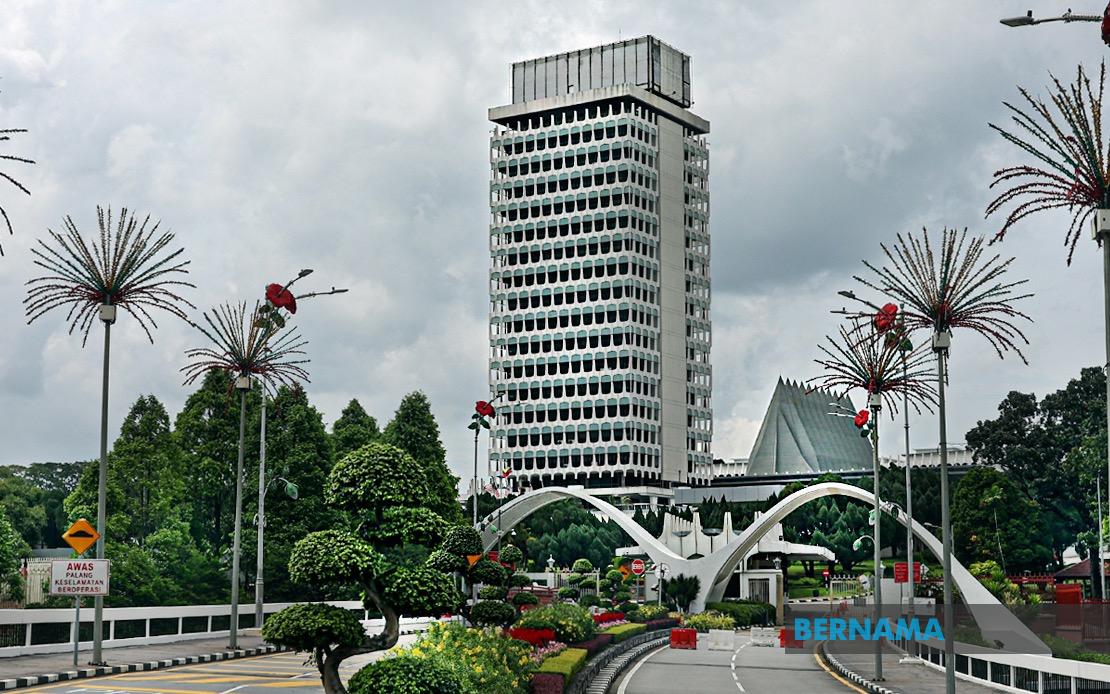
Malaysia's parliament is set to tackle two interconnected challenges facing the nation's economy and democratic institutions when the Dewan Rakyat convenes for Minister's Question Time today. The session will place renewed focus on the persistent difficulties that small business owners encounter in accessing credit, whilst simultaneously examining concerns about the country's declining standing in global media freedom assessments. These issues reflect broader anxieties about the foundations of a resilient economy and a functioning democracy in Southeast Asia's third-largest economy.
The MSME sector, which forms the backbone of Malaysia's economic ecosystem, continues to grapple with financing obstacles that threaten its growth trajectory. Lee Chuan How, the PH member representing Ipoh Timor, has submitted a question to the Prime Minister requesting clarification on whether the MADANI Government acknowledges the mounting frustration among small and medium business operators struggling to secure loans and working capital. Access to affordable financing remains a critical pain point for enterprise owners navigating Malaysia's competitive business landscape, particularly as economic headwinds persist across the region. The question signals that parliamentary oversight bodies are tracking real concerns emanating from the business community, where entrepreneurs report lengthy approval processes and stringent collateral requirements that disadvantage smaller operators lacking established asset bases.
The MSME financing question carries significant weight for Malaysian readers given that these enterprises collectively employ millions of workers and contribute substantially to gross domestic product. Small business owners have repeatedly highlighted discrepancies between government lending schemes and the practical accessibility of those funds, with many reporting that formal banking channels remain inhospitable to enterprises without extensive credit histories or substantial equity. The MADANI administration's response to this parliamentary query will reveal the extent to which the government intends to deploy targeted interventions, whether through state-owned financial institutions or regulatory amendments designed to lower lending barriers.
Equally pressing is the question of Malaysia's media freedom standing, an issue that Ahmad Fadhli Shaari from PN-Pasir Mas plans to raise with the Prime Minister. Malaysia's ranking in the 2026 World Press Freedom Index has deteriorated to 95th position, a notable slip from the 88th place achieved in the previous year. This seven-position decline signals a concerning trajectory that raises questions about the operating environment for journalists, news organizations, and the broader information ecosystem. The downward movement in international rankings typically reflects specific incidents—whether legal prosecutions of media figures, restrictions on reporting, or broader institutional pressures—that accumulate into a measurable assessment of press freedom.
The deterioration in Malaysia's media freedom ranking carries implications beyond journalism circles. A vibrant press serves as a critical accountability mechanism, scrutinizing government performance, corporate conduct, and institutional effectiveness. When international assessments document declining press freedom, they implicitly flag concerns about governance transparency and the ability of citizens to access diverse information sources necessary for informed democratic participation. For Malaysia, which positions itself as a regional leader and aspires to upper-income status, international perceptions of press freedom can influence foreign investment decisions and professional talent recruitment, as multinational corporations and skilled workers often evaluate these factors when selecting markets and employment locations.
Ahmad Fadhli Shaari's question seeks details on what comprehensive measures the government is implementing to protect media freedom and restore Malaysia's standing in international assessments. The response will likely articulate the government's interpretation of media freedom constraints and its intended course of action. This parliamentary exchange represents a rare moment of cross-party scrutiny on a politically sensitive topic, with Perikatan Nasional holding the opposition to account on civil liberties grounds—an unusual configuration that underscores the universal importance of press freedom regardless of political affiliation.
The parliamentary agenda extends beyond these headline issues. Aminolhuda Hassan from PH-Sri Gading will propose a Senior Citizens-Friendly Fund intended to assist mosques and suraus in installing facilities specifically designed for elderly worshippers, including wheelchair ramps and accessible toilet facilities. This initiative reflects growing recognition that Malaysia's aging population requires deliberate infrastructure adaptations across both secular and religious spaces. Faith-based institutions often serve as community gathering points for elderly residents, making accessibility improvements within mosques and prayer halls a practical policy consideration with tangible social benefits.
Later in the sitting, the Dewan Rakyat will examine the 2024 Annual Report and Financial Statement of the Human Rights Commission of Malaysia (SUHAKAM), ensuring that this independent institution remains subject to parliamentary oversight and scrutiny of its operations, funding allocation, and effectiveness in advancing human rights protections. This routine agenda item maintains parliamentary accountability over constitutional bodies tasked with defending civil liberties.
The day's proceedings will also include resumed debate on the Constitution (Amendment) (No. 2) Bill 2026, which proposes to separate the dual roles of the Attorney General and Public Prosecutor into distinct positions. This constitutional reform carries significant implications for Malaysia's legal architecture, as the current unified role concentrates considerable prosecutorial and advisory power within a single office. Separating these functions would establish clearer institutional checks and better align Malaysia's governance structure with common law jurisdictions that traditionally maintain this separation to prevent conflicts of interest and enhance prosecutorial independence.
Today's parliamentary session encapsulates the multifaceted governance challenges confronting Malaysia: ensuring economic opportunity through accessible business financing, protecting democratic participation through unrestricted information flows, facilitating social inclusion for aging populations, strengthening institutional accountability mechanisms, and refining constitutional frameworks to enhance governmental balance. These questions, taken collectively, suggest that Malaysian lawmakers across party lines recognize the interconnection between economic resilience, democratic health, social welfare, and institutional integrity—the foundational pillars supporting sustainable national development in an increasingly complex regional environment.

