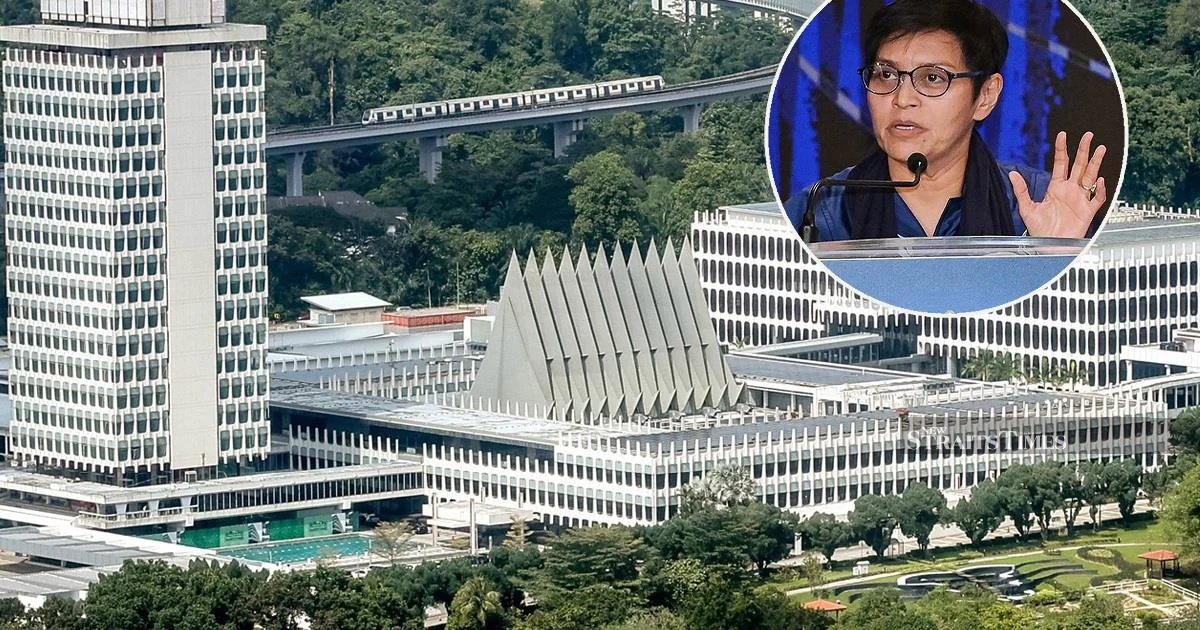
A significant overhaul of Malaysia's judicial appointment framework is underway, with Parliament set to assume a much broader role in evaluating candidates for the country's top prosecution positions. The reforms would fundamentally alter how public prosecutors are selected, moving away from the current closed-door process dominated by the Judicial and Legal Service Commission (SPKP) towards a more transparent, parliamentary-centred system.
Under the proposed changes, Parliament will no longer be a passive observer in the appointment of public prosecutors. Instead, legislators will gain the explicit freedom to examine, assess, and provide recommendations on candidates whose names are forwarded by the SPKP. This shift represents a departure from historical practice in Malaysia, where such senior judicial appointments have traditionally been handled with minimal legislative input or public discourse. The reforms essentially democratise what has long been considered a preserve of the executive and judicial establishment.
The scope of parliamentary authority under the new system extends beyond mere assessment and recommendation. Members of Parliament will be empowered to openly debate the merits and suitability of individual candidates, a previously uncommon occurrence in Malaysia's institutional culture. This debate function carries enormous symbolic and practical weight, as it creates space for public discussion about the qualifications, experience, and potential judicial philosophy of those who will wield prosecutorial power on behalf of the state.
Voting on public prosecutor appointments represents another novel element of the envisaged reforms. While the precise voting mechanisms remain unclear—whether approval would be binding or merely advisory—the very act of subjecting prosecutor appointments to parliamentary votes would represent a dramatic shift towards greater institutional accountability. This voting power would give Parliament genuine leverage in the selection process, potentially enabling legislators to register formal opposition to problematic candidates through recorded votes that become part of the legislative record.
Public announcement of decisions regarding prosecutor candidates adds a crucial transparency dimension to the reforms. Currently, many appointment decisions carry an air of opacity, with limited public explanation for why certain candidates are selected or rejected. The ability to publicly announce decisions would force government and relevant institutions to articulate their reasoning, justify their choices, and explain any rejections to the Malaysian public. This transparency requirement could significantly raise the threshold for appointing controversial figures or those with questionable credentials.
The implications of these reforms extend far beyond procedural adjustments to the appointment process. Public prosecutors in Malaysia hold enormous power, directing criminal investigations, deciding whether to prosecute cases, and shaping the trajectory of high-profile court cases. The individuals appointed to these positions can influence the administration of justice for millions of citizens. Greater parliamentary oversight thus carries profound consequences for judicial independence and the rule of law, even as it promises enhanced democratic accountability.
For Malaysia's broader political landscape, the reforms signal a potential recalibration of institutional checks and balances. They reflect growing recognition that no single institution—whether the executive branch or the SPKP itself—should exercise unchecked authority over such consequential appointments. By distributing this authority across Parliament and the executive, the reforms attempt to create competing power centres that theoretically prevent any single actor from monopolising control over prosecutorial appointments and, by extension, criminal justice outcomes.
Regional observers will note that Malaysia's experience mirrors broader global trends towards parliamentary involvement in high judicial appointments. Many Commonwealth democracies, including neighbouring Singapore and Australia, already feature parliamentary or legislative committees that scrutinise and sometimes approve appointments to senior judicial and prosecutorial positions. Malaysia's adoption of such practices signals alignment with international standards for judicial governance, even if Malaysia's approach emerges from domestic pressures rather than external pressure.
The practical challenges of implementation should not be underestimated. Parliament's capacity to meaningfully assess complex prosecutorial candidates depends on adequate staff resources, access to comprehensive information about candidates' track records, and sufficient time for genuine deliberation. Without these elements, parliamentary oversight risks becoming purely theatrical—a veneer of democratic accountability that masks continued backroom decision-making. The success of these reforms will ultimately depend on whether Parliament treats its new responsibilities seriously and whether relevant institutions provide legislators with the information and resources necessary for substantive assessment.
Political dynamics will inevitably shape how these powers are exercised in practice. In a system where one coalition controls Parliament overwhelmingly, the government could potentially engineer unanimous support for its preferred prosecutor candidates, rendering parliamentary oversight merely symbolic. Conversely, if Parliament includes significant opposition representation, genuine debate and scrutiny become possible, creating real constraints on prosecutorial appointments. The reforms' effectiveness thus hinges partly on whether Malaysia's political system develops sufficient pluralism to enable independent parliamentary judgment.
The timing of these reforms reflects contemporary anxieties about prosecutorial power and its potential misuse. Malaysia has experienced numerous controversies involving criminal prosecutions that critics argue were politically motivated or procedurally questionable. Enhanced parliamentary oversight offers no guaranteed remedy for such concerns, but it does create additional mechanisms for scrutinising prosecutorial decisions and the individuals entrusted with such power. Whether Parliament exercises these mechanisms vigorously or nominally remains to be seen.
Civil society organisations and legal professionals will likely scrutinise how these reforms operate in practice. These groups have long advocated for greater transparency in judicial appointments and the criminal justice system more broadly. The reforms represent a partial response to such demands, though questions remain about whether Parliament will prove a more robust guardian of justice system integrity than the existing closed system. The coming months and years will reveal whether these structural changes produce meaningful improvements in how Malaysia selects and holds accountable its most senior prosecutors.

