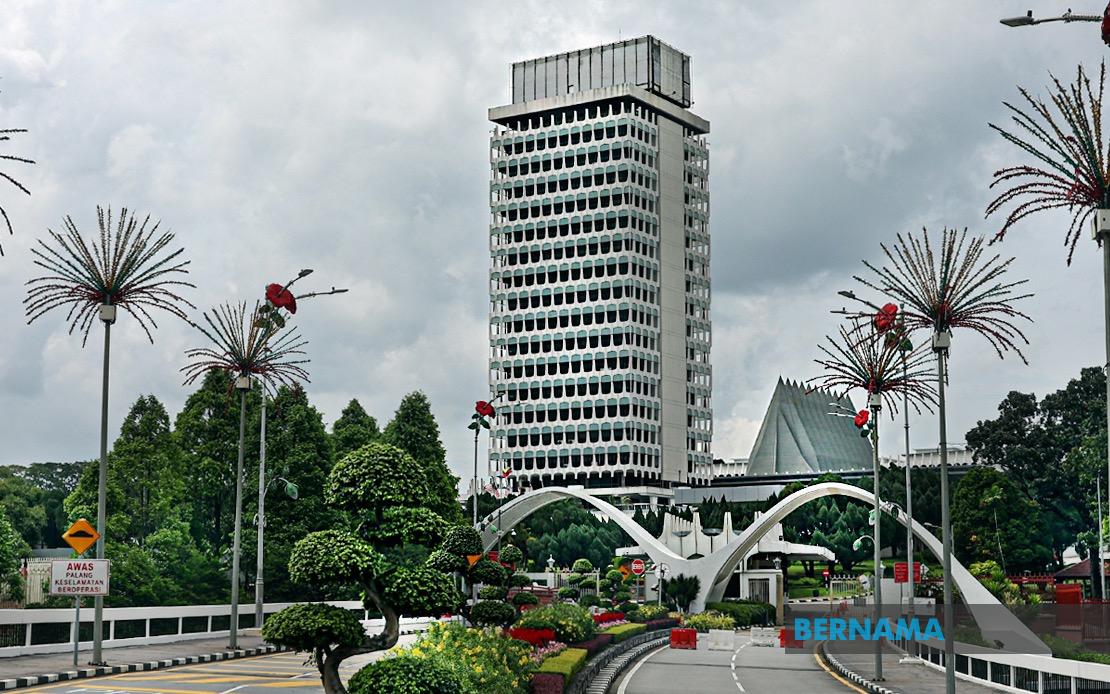
Parliament's third week of proceedings delivered significant legislative progress alongside substantive debates on governance, with lawmakers advancing two competition-related bills and tabling amendments to strengthen oversight of the padi and rice sector. The focus on economic competition and agricultural regulation reflects government priorities in modernising regulatory frameworks across critical industries while addressing longstanding sector-specific concerns that affect both consumers and producers across Malaysia.
The Competition (Amendment) Bill 2026 and its companion legislation targeting the Competition Commission represent efforts to tighten enforcement mechanisms against anti-competitive behaviour in the increasingly complex digital economy. These amendments signal recognition that traditional competition frameworks require updating to address contemporary business practices, particularly as technology companies and digital platforms reshape market dynamics. The bills' passage indicates parliamentary consensus that stronger enforcement powers are necessary to protect fair competition and consumer interests in an era where digital monopolies and network effects can entrench market dominance in ways previous legislation did not anticipate.
Parallel to competition reform, the Control of Padi and Rice (Amendment) Bill 2026 entered its first reading phase on Tuesday with ambitions to overhaul regulatory governance in a sector fundamental to Malaysia's food security and rural livelihoods. By proposing to increase maximum penalties to RM1 million, lawmakers acknowledged that existing deterrents have proven insufficient to curb malpractice within the industry. This legislative response addresses documented concerns about quality control, fair pricing mechanisms, and compliance with food safety standards throughout the padi production and rice processing chain. For Malaysian consumers dependent on stable rice supplies and fair pricing, the amendment potentially strengthens protections; for farmers, stricter standards could either improve sector legitimacy or increase compliance burdens depending on implementation.
The session also spotlighted Malaysia's human rights architecture through debate on the Human Rights Commission of Malaysia's 2024 Annual Report. Lawmakers used the motion discussion to advance various recommendations regarding SUHAKAM's effectiveness and mandate, touching on the commission's capacity to investigate complaints, coordinate with government agencies, and address systemic violations. This debate provided parliamentary oversight of an institution that operates somewhat independently yet remains accountable to elected representatives. The recommendations emerging from this discussion will likely shape SUHAKAM's operational focus and resource allocation as it navigates Malaysia's complex human rights landscape.
Minister's Question Time brought Prime Minister Datuk Seri Anwar Ibrahim to the microphone to address government support for micro, small and medium enterprises, a segment representing the bulk of Malaysia's business ecosystem. His commitment to streamline financing processes through financial institutions reflects acknowledgment that access to capital remains a fundamental constraint for enterprise growth. Yet his remarks also touched on a more contested terrain: Malaysia's declining standing in international press freedom rankings, an issue with particular resonance for regional observers monitoring democratic health in Southeast Asia.
On the press freedom question, Anwar provided clarifications distinguishing between legitimate enforcement actions and alleged censorship. He maintained that enforcement undertaken against media organisations related to content involving the three Rs—religion, race and the royal institution—plus national security threats, does not constitute suppression of legitimate dissent or journalistic inquiry. This framing attempts to reconcile Malaysia's international image with domestic regulatory practice, though the distinction between protecting sensitive national institutions and constraining media independence remains contested among observers, civil society groups, and international press freedom advocates.
A significant procedural development addresses complaints against working journalists: the government announced that allegations involving recognised media practitioners will no longer trigger automatic investigation or enforcement action, instead requiring initial referral to the Malaysian Media Council. This mechanism aims to introduce editorial and professional intermediation before state action, potentially reducing direct confrontation between authorities and individual journalists. Whether the MMM possesses sufficient independence and resources to perform this gatekeeping function meaningfully will likely emerge as a practical test of the policy's intent.
Parliament also received presentations from two special select committees examining topics directly affecting Malaysian welfare. The Health Committee's focus on organ donation and transplantation policy addresses critical healthcare infrastructure needs, particularly as demand for transplants continues outpacing organ availability. The Women, Children and Community Development Committee's report on escalating abuse and violence cases over the past six years since 2020 drew attention to troubling social trends requiring coordinated government response across health, law enforcement, social services and justice sectors.
Defence and security matters entered the agenda through discussion of naval capabilities modernisation, specifically the selection process for a missile system to replace the Naval Strike Missile configuration on Littoral Combat Ships. This procurement decision carries implications for maritime security posture in Southeast Asia, where territorial waters and sea lane security remain strategically sensitive. Separately, enforcement against vape products containing prohibited substances reflected growing concern about emerging drug delivery mechanisms and regulatory coordination between health and law enforcement agencies.
Healthcare system digitalisation emerged as another focus area, with lawmakers discussing efforts to modernise information technology infrastructure at public health facilities nationwide. This agenda addresses long-standing inefficiencies in patient records management, appointment scheduling, and data integration that constrain service delivery quality and staff productivity. The initiative aligns with broader digital transformation goals across the Malaysian public sector and carries implications for healthcare accessibility and quality in both urban and rural settings.
Deputy Finance Minister Liew Chin Tong's disclosure regarding 1Malaysia Development Berhad liabilities provided updated accounting of a longstanding fiscal legacy. The revelation that total government liabilities from the company, encompassing both settled and outstanding obligations, reach RM51.4 billion underscores the enduring fiscal burden of the investment scandal that has shaped Malaysian politics for years. This figure's public reiteration maintains transparency regarding an issue affecting budgetary allocation and constraining resources available for other policy priorities.
A final pastoral note emerged when Dewan Rakyat Speaker Tan Sri Dr Johari Abdul reminded lawmakers to prioritise regular health screenings following hospitalisation of a parliamentary colleague at the National Heart Institute. This gentle reminder about legislator wellness reflects institutional concern for members' health and wellbeing while subtly emphasising the demands of parliamentary service and the importance of preventive care.
With one week remaining before the second meeting of the fifth session concludes on July 16, parliament continues addressing a substantial agenda spanning economic competition, agricultural regulation, human rights oversight, healthcare modernisation, and security policy. The breadth of topics reflects the range of issues demanding legislative attention across Malaysia's governance landscape, while the underlying debates often surface tensions between regulatory effectiveness, international standards, and democratic accountability that characterise contemporary Malaysian politics.

