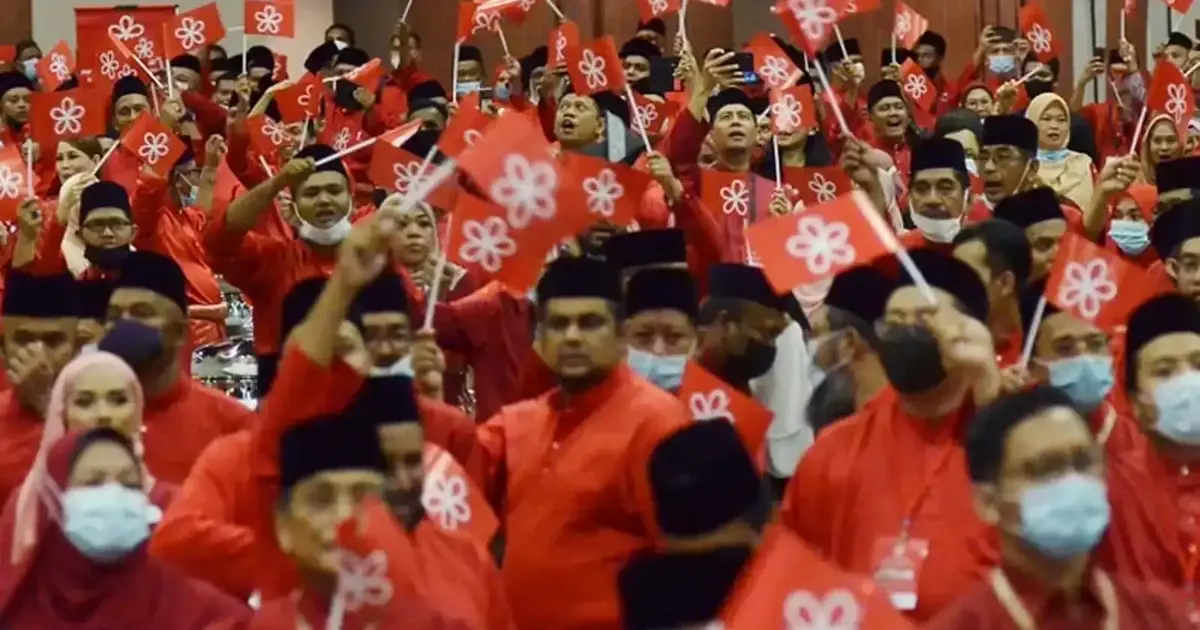
Tensions within the Perikatan Nasional coalition have surfaced again, with PAS treasurer Iskandar Abdul Samad publicly questioning the sustainability of Bersatu's membership in the opposition alliance. His remarks mark a significant escalation in internal coalition friction, hinting at deeper strategic disagreements over the bloc's direction and party positioning ahead of what analysts view as a crucial period for Malaysia's political opposition.
Iskandar Abdul Samad's characterisation of Bersatu's standing as untenable reflects mounting frustration among PN members over the smaller party's role and influence within the broader coalition structure. The assertion that Bersatu will encounter substantial obstacles to continued operational viability within PN suggests the coalition faces fundamental questions about power-sharing arrangements, decision-making processes, and the distribution of electoral opportunities among its constituent parties.
Bersatu's position within PN has proven contentious since the bloc's formal establishment in 2020. The party, while holding symbolic importance as the vehicle associated with former Prime Minister Mahathir Mohamad's political movement, has struggled to translate its historical profile into substantial parliamentary numbers. This structural weakness becomes increasingly problematic in coalition dynamics where parties compete for resources, campaign focus, and candidate allocations.
The current political landscape that prompted Iskandar Abdul Samad's comments encompasses several destabilising factors. The ongoing negotiations between BN, PKR, and other political actors have created uncertainty regarding the opposition coalition's long-term coalition strategy and electoral partnerships. Additionally, questions about Bersatu's electoral viability in its traditional strongholds have intensified scrutiny of whether the party's participation strengthens or weakens PN's overall competitive position.
From a structural perspective, Bersatu's challenges within PN mirror broader difficulties faced by mid-sized parties in Malaysia's polarised political environment. The concentration of voter support between larger coalitions—whether BN, PK, or PN—creates pressure on smaller components to demonstrate tangible value. Bersatu's inability to substantially expand its parliamentary presence or regional dominance raises legitimate questions among coalition partners about resource allocation and strategic priorities.
PAS's positioning as the dominant force within PN gives the Islamist party considerable leverage in coalition affairs. As the bloc's largest component by parliamentary representation, PAS naturally seeks to maximise its political benefits from coalition membership. Public criticism from party treasurer Iskandar Abdul Samad likely reflects broader discussions within PAS leadership about whether PN's current composition optimally serves the party's interests or instead dilutes its negotiating power by associating it with smaller, less electorally viable partners.
For Malaysian observers, these internal coalition tensions carry important implications. A weakened or internally fractious opposition bloc affects the broader political balance, potentially influencing government stability, legislative dynamics, and the electorate's perception of viable political alternatives. If PN faces internal legitimacy questions regarding its component parties' roles, this could undermine the coalition's effectiveness as a unified political force.
The significance of these remarks also extends to considerations about potential coalition reconfiguration. Should PAS determine that PN's current structure no longer serves its interests, the party possesses sufficient parliamentary numbers to significantly reshape the coalition landscape. This reality undoubtedly informs Iskandar Abdul Samad's willingness to publicly articulate dissatisfaction with Bersatu's position, as such statements simultaneously signal PAS's potential flexibility regarding coalition arrangements.
Bersatu's response to these criticisms will prove revealing regarding the party's future trajectory. The organisation faces a strategic decision between defending its coalition role, demonstrating electoral viability that justifies continued membership, or potentially exploring alternative political arrangements. Given the party's historical significance and residual support in certain constituencies, complete marginalisation appears unlikely, yet the party's current operating space appears increasingly constrained.
For Southeast Asian politics observers, Malaysia's opposition coalition dynamics illustrate broader regional patterns whereby larger political forces increasingly dominate, leaving reduced space for mid-sized parties unless they can identify distinct voter bases or policy platforms. Bersatu's struggle reflects a common challenge across several regional democracies where coalition pressures force smaller parties to justify their continued existence within broader political structures.
Looking ahead, these tensions suggest PN faces a critical juncture regarding its internal governance, power-sharing mechanisms, and long-term strategic vision. Whether the coalition can accommodate Bersatu while satisfying PAS's ambitions, or whether structural adjustments become necessary, will significantly influence Malaysia's opposition politics over coming months and years. The trajectory of these discussions may ultimately determine not only PN's effectiveness as a unified political force but also the broader competitive landscape within which Malaysian voters evaluate their political choices.