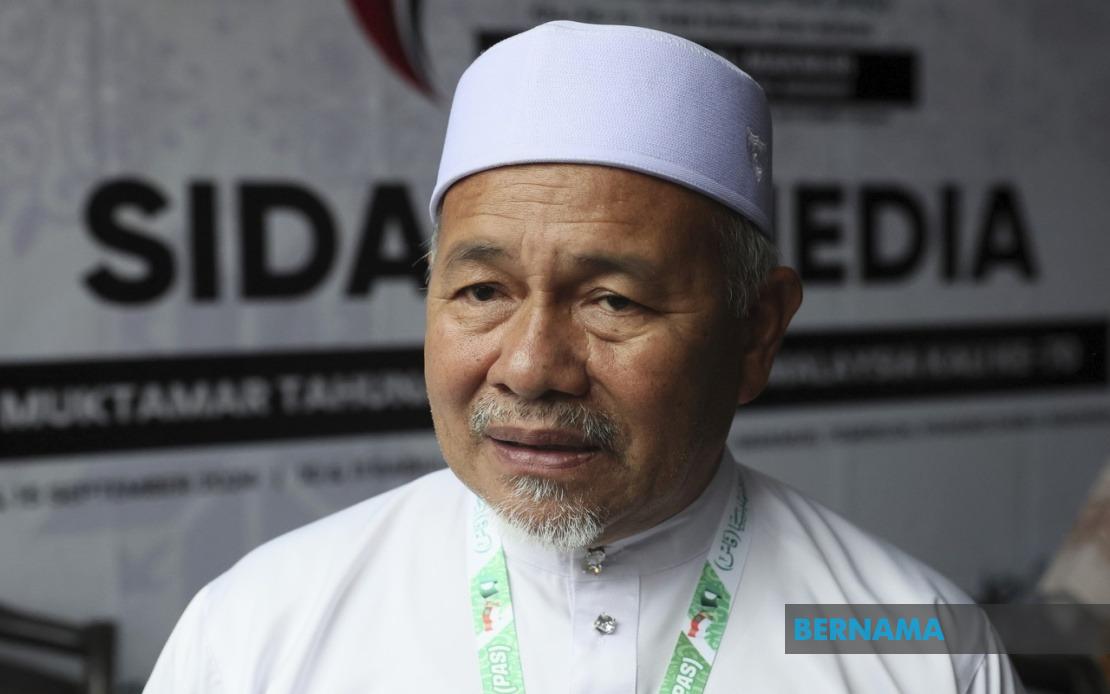
The Islamic party PAS is ramping up pressure on the government to bring fugitive businessman Low Taek Jho—better known as Jho Low—to trial in Malaysia for his alleged role in the sprawling 1Malaysia Development Berhad scandal, insisting that the country should chart its own legal course rather than wait for or defer to American authorities. Speaking after chairing the Pasir Mas PAS division annual general meeting in Kota Bharu on July 4, PAS deputy president Datuk Seri Tuan Ibrahim Tuan Man underscored that Malaysia maintains a functioning judicial system fully capable of prosecuting the elusive financier without relying on how Washington chooses to handle his case.
Tuan Ibrahim's remarks come amid persistent international speculation that Jho Low could receive clemency from United States President Donald Trump as part of a broader pardon initiative coinciding with America's 250th Independence Day celebration, with media reports placing the fugitive among approximately 250 individuals being weighed for presidential mercy. The timing of the PAS statement suggests growing anxiety within Malaysia's political establishment that the country's pursuit of justice in one of its most damaging financial crimes could be undermined by foreign clemency decisions entirely outside Malaysian control. This concern reflects a deeper tension between international cooperation in combating cross-border financial crimes and the sovereign right of nations to prosecute offences committed within their borders against their own citizens and institutions.
The 1MDB scandal represents one of modern Malaysia's most consequential corruption episodes, with investigators estimating that billions of ringgit were misappropriated through a complex web of shell companies, embezzlement schemes, and fraudulent transactions. Jho Low's alleged orchestration of this scheme has made him a symbolic figure in debates over accountability, corporate governance, and the rule of law in Malaysia. By emphasizing that Malaysia has suffered disproportionately from Low's actions—a point difficult to dispute given the damage inflicted on the national economy and institutional credibility—Tuan Ibrahim is framing prosecution not merely as a matter of legal technicality but as an essential question of national interest and justice for Malaysian citizens and institutions harmed by the misconduct.
Tuan Ibrahim further expressed optimism that authorities would accelerate legal procedures aimed at securing Jho Low's extradition from his current location so that he could be brought before Malaysian courts. This plea for expediency carries implicit recognition that the legal machinery surrounding his case has faced significant delays and complications over the years. The fugitive has managed to evade capture across multiple jurisdictions, illustrating the considerable challenges posed by international fugitives with substantial financial resources and well-established networks spanning continents. The call for speedier action underscores frustration within segments of Malaysia's political leadership over the protracted nature of international legal proceedings and enforcement actions.
The PAS position gains additional weight given the party's role in the current governing coalition and its influence on policy directions affecting law enforcement and justice matters. As a coalition partner in Prime Minister Anwar Ibrahim's administration, PAS commands considerable leverage in shaping priorities and allocating resources toward high-profile cases. Tuan Ibrahim's intervention signals that the party intends to maintain parliamentary and public pressure on the executive to sustain momentum in pursuing one of Malaysia's most consequential criminal investigations, ensuring that political attention and judicial resources remain focused on bringing the fugitive to account.
Prime Minister Datuk Seri Anwar Ibrahim has previously reaffirmed Malaysia's commitment to legal action against Jho Low despite uncertainty surrounding potential American clemency. His statements have sought to reassure Malaysians that the government will not permit foreign political developments to derail domestic prosecution efforts. This bipartisan emphasis from both government and opposition-aligned figures suggests remarkable consensus that pursuing Jho Low constitutes a matter of national priority transcending typical partisan divisions. Such unity is relatively uncommon in Malaysian politics and reflects the depth of public concern regarding accountability in the 1MDB affair and confidence that justice can be delivered through the legal system.
The prospect of Jho Low receiving a pardon from Washington would represent a profound embarrassment and setback for Malaysia's efforts to hold him accountable. It would signal that political considerations in a foreign capital had superseded Malaysia's legitimate claims to prosecute crimes committed against Malaysian institutions and citizens. Such an outcome could inflame public opinion regarding the fairness of international justice systems and potentially reinforce perceptions that wealthy individuals with international connections can evade accountability through jurisdictional arbitrage and political influence. For Malaysian policymakers and citizens, the message would be troubling: that connections to powerful foreign leaders might ultimately prove more consequential than adherence to rules of law and justice within one's own nation.
The 1MDB case has broader implications for Southeast Asia's regulatory environment and efforts to combat transnational financial crime. Malaysia's ability to successfully prosecute or extradite Jho Low would strengthen the region's capacity to deter sophisticated schemes involving shell companies and cross-border transfers. Conversely, if he were to escape accountability through clemency or continued evasion, it would send concerning signals to other potential malefactors regarding the viability of large-scale financial fraud schemes that traverse multiple jurisdictions. The case thus functions as a test of whether Southeast Asian nations can effectively vindicate their interests against wealthy individuals operating across borders with sophisticated resources.
Looking forward, Malaysian authorities face the intricate task of coordinating with international partners while simultaneously asserting the primacy of domestic jurisdiction and legal authority. The government must balance diplomatic relationships with the United States—a crucial strategic and economic partner—against the domestic imperative to prosecute a major financial crime. This balancing act requires sophisticated statecraft and clarity of purpose regarding how Malaysia defines its interests. PAS's public call for independent prosecution reflects awareness that maintaining public confidence in the justice system depends on demonstrable commitment to pursuing accountability regardless of external pressures or inconvenient international developments.

