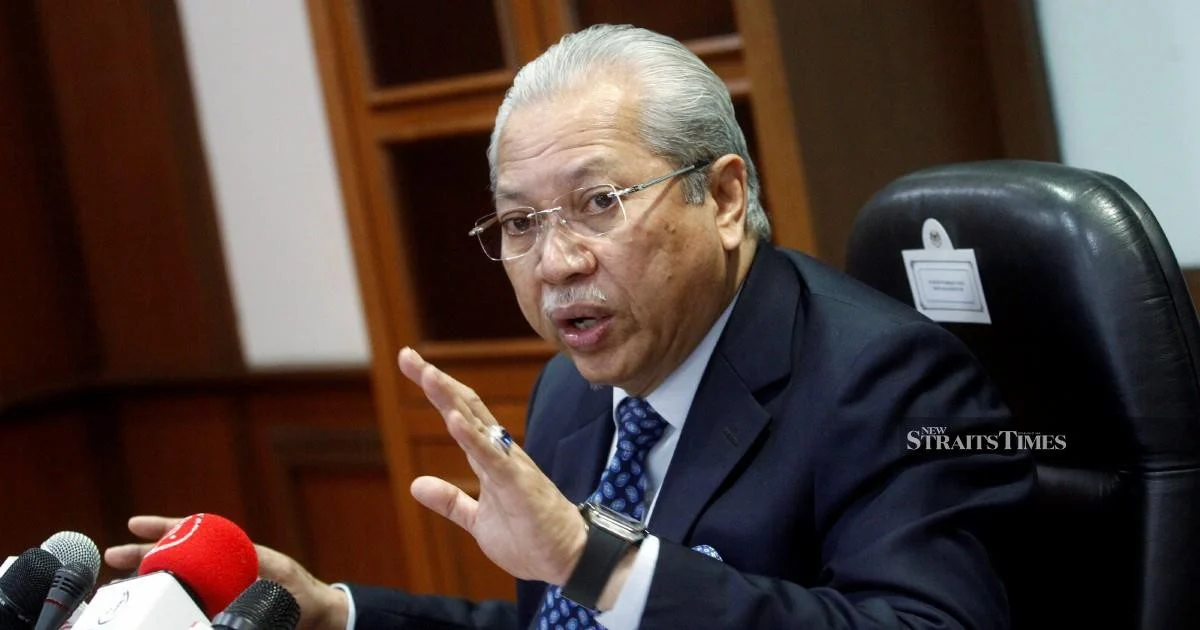
PAS leadership moved to address mounting speculation about internal discord within Perikatan Nasional on Tuesday, with party officials flatly rejecting suggestions that the Islamist outfit had orchestrated Bersatu's departure from the coalition. Speaking in Kota Baru, party figures sought to distance themselves from narratives of deliberate exclusion, underscoring that any separation between the two entities had not resulted from calculated manoeuvres by the Kelantan-based party.
The clarification emerges against a backdrop of visible tensions between PAS and Bersatu that have become increasingly apparent across multiple political domains. The two organisations, which together anchor much of Perikatan Nasional's operational framework, have found themselves at loggerheads over strategic direction, policy implementation, and resource allocation at both federal and state levels. These frictions have not escaped public notice, prompting widespread commentary about whether the alliance structure could withstand the mounting pressure on internal cohesion.
PAS's insistence that it did not actively pursue Bersatu's removal carries particular significance given the party's dominant position within the PN framework. As the coalition's largest parliamentary presence in many respects, PAS wields considerable institutional leverage, making denials of interference carry added weight in political circles. The statement suggests the party recognises how perceptions of culpability could further damage an already strained partnership and complicate its broader political objectives.
The timing of these remarks reflects broader anxieties about Perikatan Nasional's structural stability heading into a period of potential electoral realignment. Since its formal reconstitution following the 2022 elections, the coalition has grappled with fundamental questions about shared governance principles, decision-making hierarchies, and the appropriate distribution of ministerial and state-level positions among member parties. Without explicit resolution of these institutional tensions, partnership arrangements remain vulnerable to sudden ruptures.
Bersatu's relationship with its coalition partners has been complicated by its unique political trajectory and governance vulnerabilities. The party, which emerged from internal dissensions within UMNO before evolving into a significant electoral force, maintains a somewhat precarious standing dependent largely upon personalities and immediate political expediency rather than deeply rooted organisational infrastructure. This structural reality creates conditions wherein partnership agreements remain conditional upon shifting power dynamics and changing political circumstances.
For Malaysian readers, the significance of PN's internal cohesion extends beyond mere factional posturing. The coalition represents a substantial counterweight to Pakatan Harapan at the federal level and controls multiple state administrations, directly affecting governance priorities and policy implementation across healthcare, education, and economic development. Disruptions to PN's functionality consequently reverberate through broader national political equilibrium and government effectiveness.
The apparent deterioration in PAS-Bersatu relations also illuminates deeper ideological divergences that coalition structures have struggled to accommodate. PAS's Islamist-oriented agenda occasionally conflicts with Bersatu's more secular-nationalist positioning, creating friction over religious governance questions, constitutional matters, and the relationship between federal and religious authorities. These substantive differences become magnified when institutional power-sharing arrangements remain ambiguous.
Regional implications warrant consideration as well. Perikatan Nasional's fragmentation could influence the broader Southeast Asian political landscape, particularly given Malaysia's role in regional multilateral forums and ASEAN deliberations. Coalition instability domestically may affect Malaysia's diplomatic posture and engagement consistency with regional counterparts, especially on matters requiring clear governmental consensus and sustained commitment.
The PAS leadership's calculated denial appears designed to preserve coalition optionality while simultaneously distancing the party from accusations of manipulative behaviour that could undermine its political credibility. By framing any departure as organic rather than engineered, party officials attempt to maintain diplomatic space for future negotiations should circumstances change, whilst avoiding domestic political costs associated with perceptions of coercion or power plays.
Observers of Malaysian politics have noted that coalition partnerships at this scale typically contain embedded mechanisms for managing member dissatisfaction and preventing unilateral departures. Whether Perikatan Nasional possesses sufficiently robust institutional frameworks to weather current tensions remains uncertain. The absence of explicit agreements regarding dispute resolution and exit procedures leaves partners vulnerable to strategic ambiguity and opportunistic repositioning.
The broader challenge confronting all Malaysian political coalitions involves reconciling the interests of ideologically distinct organisations with incompatible longer-term objectives. Short-term electoral considerations often supersede fundamental disagreements, but such suppression inevitably re-emerges when external pressures diminish or internal power dynamics shift. PAS and Bersatu face this classic coalition dilemma intensely.
Moving forward, Perikatan Nasional's sustainability depends substantially upon its capacity to establish transparent mechanisms for addressing member grievances, clarifying resource allocation procedures, and creating genuine shared governance frameworks rather than mere arrangements of convenience. Without such institutional evolution, denials of deliberate exclusion may provide temporary rhetorical relief whilst underlying tensions continue accumulating beneath the surface.

