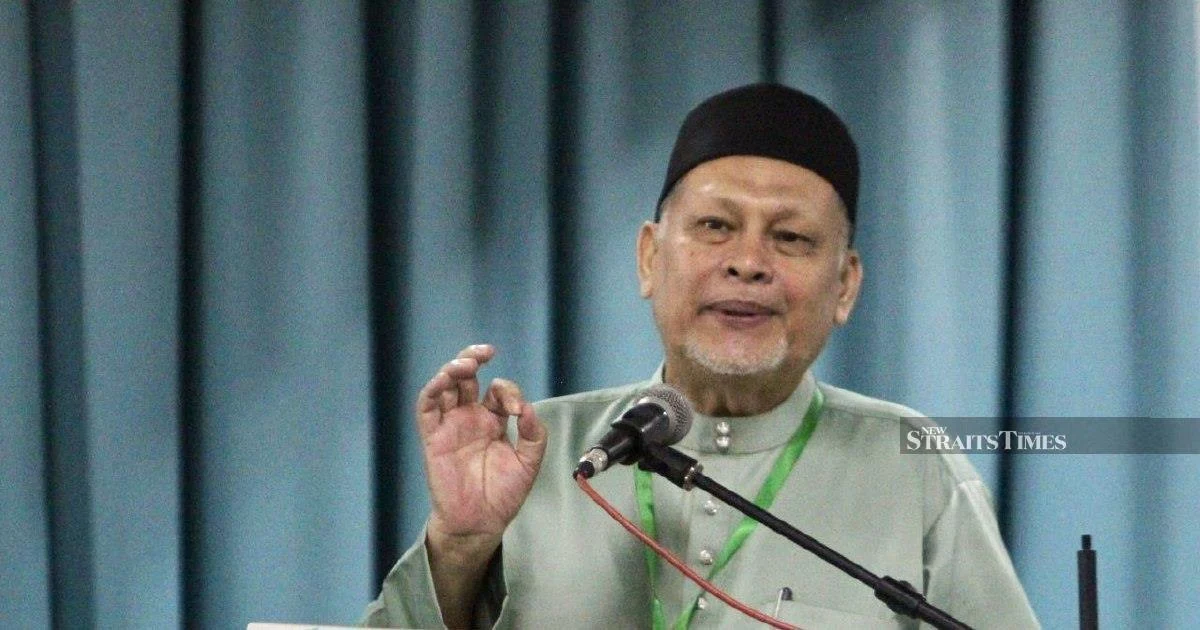
Islamist party PAS is bracing for intensified competition from freshly established political movements that are aggressively targeting Malaysia's youth demographic ahead of the next general election, according to remarks made by a senior party official in Kota Baru. The emergence of these new political entities represents what PAS leadership characterises as a mounting threat to its electoral prospects and organizational momentum, particularly among younger segments of the electorate who have historically shown volatility in their voting patterns.
The concern articulated by PAS reflects a broader recalibration underway across Malaysia's political landscape, where demographic shifts and changing voter preferences are forcing established parties to reassess their appeal and messaging strategies. Youth voters in Malaysia have increasingly demonstrated independence from traditional party loyalties, seeking fresh political voices and alternative policy frameworks that speak to contemporary issues such as economic opportunity, climate action, and digital governance. This generational realignment poses a distinct challenge to parties like PAS, which have built organizational strength over decades but may struggle to rebrand themselves as agents of innovation.
The proliferation of new political entities attempting to capture this demographic segment reflects deeper currents within Malaysian society. Rising youth unemployment, housing affordability crises, and concerns about meritocracy in public sector recruitment have created fertile ground for insurgent political movements. These parties are often unburdened by historical baggage or controversial policy legacies, allowing them to present themselves as catalysts for systemic change rather than guardians of established order.
PAS's acknowledgment of this challenge demonstrates sophisticated political awareness within the party's upper ranks. Rather than dismissing the threat, leadership is framing it as a reality requiring strategic response. This forthright assessment suggests the party recognises that dismissive rhetoric or attacks on newcomers could backfire with precisely the audience it seeks to retain. Instead, PAS must articulate how its long-established networks, institutional capacity, and policy experience offer distinct advantages over untested political entrants.
The stakes for PAS in reaching younger voters extend beyond immediate electoral calculations. The party's long-term organisational viability depends on generational renewal and succession planning. Without successfully transitioning cohorts of young activists into positions of increasing responsibility and influence, PAS risks becoming demographically depleted over the medium term. Elections serve as crucial mechanisms for measuring whether parties are effectively recruiting and retaining younger members, and electoral performance among youth is an early indicator of institutional health.
For Malaysian politics more broadly, the emergence of youth-focused new parties signals shifting electoral dynamics that could reshape coalition arithmetic and governing possibilities. If these parties successfully consolidate support among voters under 40, they could function as kingmakers in closely contested elections, or alternatively, fragment the anti-establishment vote in ways that advantage incumbents. The 16th general election will likely feature unprecedented fragmentation across different voter cohorts, with different age groups backing substantively different political projects.
Regionally, Malaysia's experience mirrors developments across Southeast Asia, where established parties face similar generational challenges. Indonesia, Thailand, and the Philippines have all witnessed the rise of new political movements appealing to younger voters disillusioned with traditional political arrangements. The comparative performance of PAS and these new competitors will offer instructive lessons about what political positioning, organisational tactics, and policy agendas successfully resonate with contemporary Asian youth voters.
PAS's strategic response will likely involve attempting to rebrand certain elements of its platform to emphasise youth-relevant issues while maintaining its core ideological positioning. The party may expand its digital campaign infrastructure, recruit younger candidates for visible positions, and attempt to reframe Islamic governance principles in language that resonates with modern preoccupations rather than recycling rhetoric developed for previous generations. Success will depend on whether these modernization efforts appear authentic or calculated to younger voters genuinely seeking political alternatives.
The competitive environment PAS faces also reflects broader questions about political innovation in Malaysia. If new parties successfully attract and organise youth voters around coherent programmes addressing contemporary challenges, they may prove durable long-term political forces rather than ephemeral protest movements. Conversely, if they struggle to translate initial enthusiasm into actual electoral support and governance contributions, they may dissipate quickly, returning young voters to traditional political moorings or deepening political disengagement.
From an electoral strategy perspective, the 16th general election will likely test whether youth voters constitute a genuine constituency capable of shifting electoral outcomes, or whether they remain a fluctuating demographic segment easily overwhelmed by older, more reliable voters. PAS's acknowledgment of the competitive threat suggests party strategists believe youth voters could genuinely influence results, making their engagement a priority rather than peripheral concern.
Looking toward election day, the ability of PAS and other established parties to respond effectively to this challenge will significantly influence not only their own electoral performance but broader questions about political representation and democratic vitality in Malaysia. The emergence of new parties offering youth voters genuine alternatives could enhance democratic choice and responsiveness, or it could fragment political space in ways that ultimately diminish governing capacity and policy coherence.