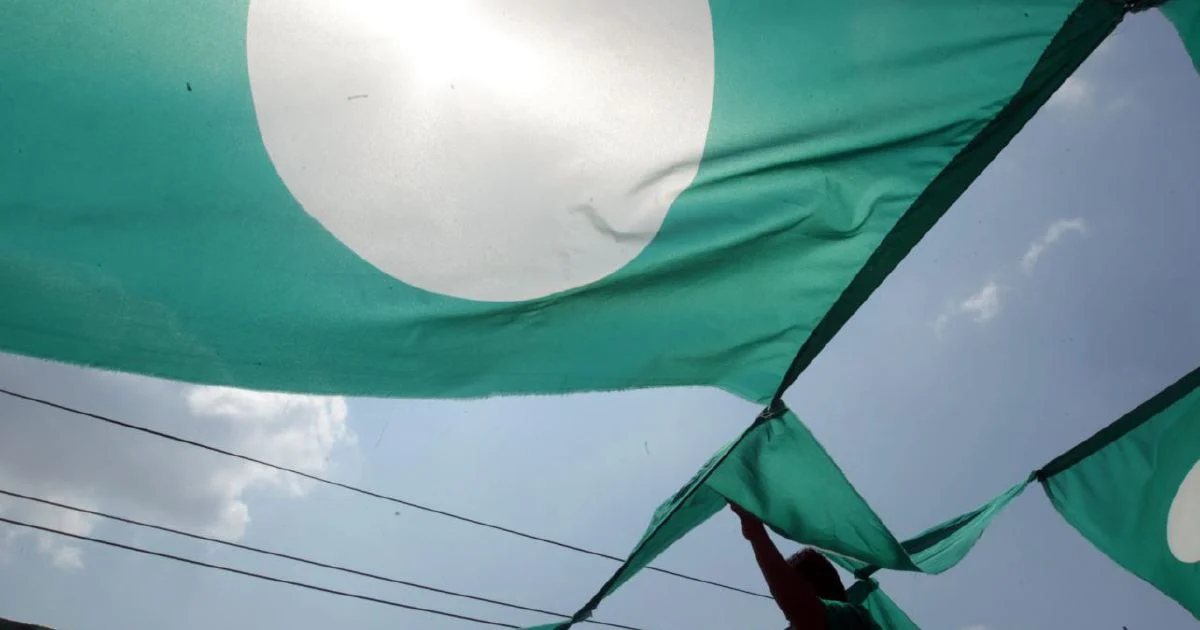
Senior figures from PAS gathered at the party's headquarters on Jalan Raja Laut in Kuala Lumpur today, convening for a pre-council meeting that included opposition members of parliament. The closed-door session underscores intensifying strains within Malaysia's opposition bloc, particularly the fraying relationship between PAS and Bersatu, two historically aligned partners whose collaboration has become increasingly fractious in recent months.
The timing of this meeting carries significant political weight. PAS, traditionally the larger and more established Islamist party, has maintained considerable influence within opposition structures since the collapse of the Pakatan Harapan government. However, the emergence of Bersatu under Mahathir's renewed political involvement created competing narratives about opposition leadership and strategy. The two parties have found themselves at odds over fundamental questions regarding coalition direction, internal governance, and the positioning of key party figures in parliamentary committees.
The gathering at PAS headquarters represents an attempt by the party's senior leadership to consolidate its parliamentary caucus and establish unified positions on pending legislative matters. For Malaysia's opposition, such coordination meetings are essential mechanisms for maintaining coherence across multiple parties that frequently harbour divergent ideological orientations and strategic preferences. The presence of multiple senior figures suggests significant agenda items requiring consensus-building among MPs who represent different constituencies and regional power bases.
Within the broader context of Malaysian politics, this assembly reflects deeper institutional challenges facing opposition coalitions. Since the 2018 general election shifted the political landscape, opposition parties have struggled to maintain unified strategies while simultaneously negotiating internal power dynamics. The fragmentation visible between PAS and Bersatu exemplifies how opposition unity remains perpetually vulnerable to personality conflicts, ideological disagreements, and competition for ministerial positions or legislative influence.
Bersatu's evolution into a dominant political force under Mahathir's sponsorship created unexpected competition within the opposition space. Originally positioned as a reformist alternative championing anti-corruption rhetoric and institutional renewal, Bersatu's subsequent political manoeuvres—including coalition shifts and leadership recalibrations—have generated friction with established opposition parties like PAS, which view themselves as senior institutional players deserving priority in coalition decision-making structures.
The parliamentary pre-council framework itself reflects the sophisticated organizational infrastructure opposition parties have developed to manage their parliamentary strength. These meetings typically involve strategic discussions about legislative priorities, committee assignments, voting coordination on critical bills, and public messaging alignment. For PAS MPs attending today's session, the meeting likely addressed several pressing parliamentary matters requiring opposition coordination and unified action.
Regionally, Malaysia's opposition dynamics carry implications for Southeast Asian political trends more broadly. The region has witnessed increased polarization between government and opposition coalitions, with Malaysia's experience offering instructive lessons about coalition stability, inter-party negotiation, and the structural vulnerabilities of opposition blocs. The PAS-Bersatu tension mirrors similar dynamics observable in Thailand, Indonesia, and the Philippines, where opposition unity faces constant pressure from internal competition and external political incentives favouring defection or realignment.
For Malaysian voters and observers, the escalating rifts within opposition structures raise important questions about governance alternatives and political credibility. When opposition parties publicly demonstrate internal discord, it inevitably affects public perceptions of their capacity to govern effectively should they return to power. The visible tensions between PAS and Bersatu thus carry consequences extending beyond parliamentary procedural matters to encompass broader questions about opposition viability as a governing alternative.
The meeting also reflects PAS's determination to maintain its institutional relevance and parliamentary influence despite Bersatu's recent political ascendancy. As Malaysia's largest Islamist party with deep roots in several eastern states, PAS possesses structural advantages that newer entrants like Bersatu cannot easily replicate. Today's gathering signals that PAS intends to leverage these advantages to protect its interests and prevent Bersatu from achieving unchallenged opposition leadership.
Moving forward, the trajectory of PAS-Bersatu relations will substantially influence opposition effectiveness in parliament and the broader political landscape. If current tensions continue escalating without resolution mechanisms, opposition parties risk fragmenting further, potentially benefiting the ruling coalition through divided opposition voting patterns. Conversely, if senior leaders from both parties can negotiate acceptable compromises through sustained dialogue, the opposition might consolidate sufficient strength to mount effective legislative challenges and establish clearer alternative governance narratives for Malaysian voters.
The institutional importance of this meeting cannot be overstated. Opposition coalition stability directly affects parliamentary dynamics, committee compositions, legislative outcomes, and ultimately the political alternatives available to Malaysian voters. Today's gathering represents an essential effort to manage these complex organizational and strategic challenges, even as underlying tensions suggest more fundamental realignment may eventually prove necessary.