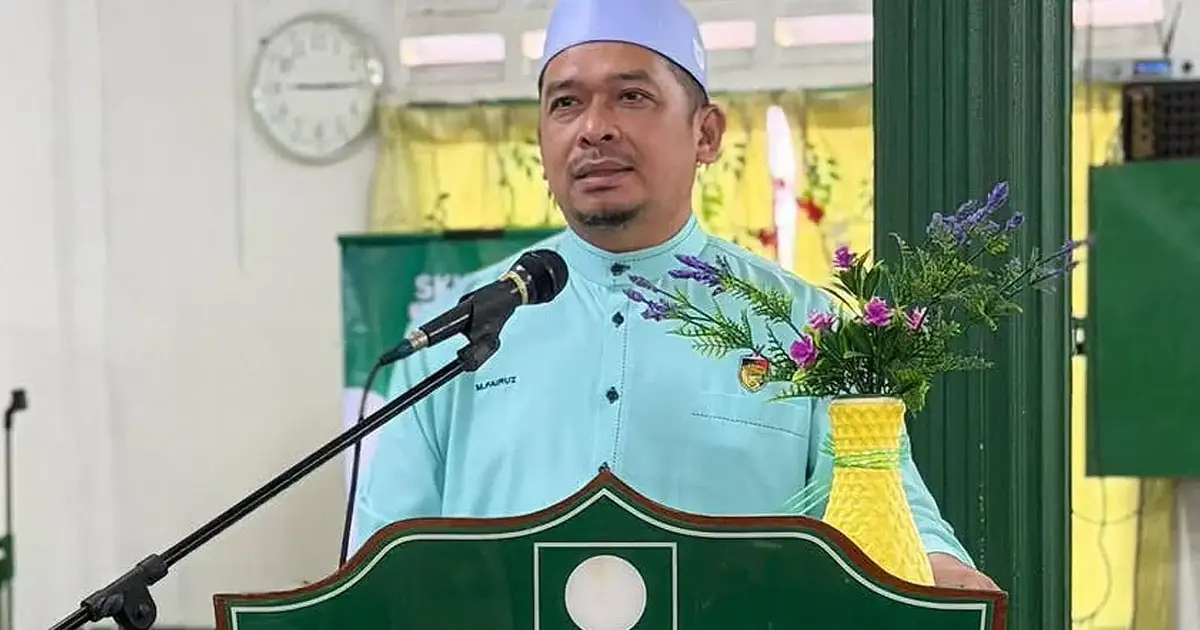
The Islamic party PAS is pursuing an aggressive electoral strategy in the upcoming Negeri Sembilan state election, aiming to wrest control of several constituencies from the Democratic Action Party, which has traditionally held ground in the state. State PAS chief Fairuz Isa outlined the party's campaign focus on specific DAP-held seats, particularly those with substantial Malay voter constituencies that represent at least four-tenths of the electorate in these areas.
This move reflects a broader realignment within Malaysian politics as parties recalibrate their electoral coalitions and voter targeting approaches. PAS, which has strengthened its position in several states through recent electoral successes, now sees an opportunity to penetrate Negeri Sembilan constituencies that have long been DAP strongholds. The focus on areas with significant Malay populations suggests the Islamist party is attempting to appeal to demographic segments that may feel underserved by DAP's political messaging or governance priorities.
Negeri Sembilan has historically presented a complex political landscape where multiple parties compete for representation across urban and rural constituencies. The state's electorate comprises a diverse mix of urban professionals, rural farming communities, and industrial workers, creating distinct voting patterns across different regions. DAP has maintained influence in several constituencies, particularly in more urbanised areas and among non-Malay voters, while other parties have dominated in Malay-majority or rural areas.
PAS's targeting strategy reveals important calculations about voter demographics and political receptiveness. By focusing on constituencies where Malays comprise at least 40% of voters, the party is identifying areas where its messaging around Islamic governance, social conservatism, and Malay-Muslim interests may resonate more effectively than DAP's secular, multiethnic platform. This demographic threshold is significant because it suggests constituencies with genuinely mixed electorates rather than overwhelming Malay majorities, areas where competition between parties with different appeals can be particularly fierce.
The timing of PAS's electoral push in Negeri Sembilan comes amid broader shifts in Malaysian state politics. Several states have experienced transitions between different ruling coalitions in recent years, and Negeri Sembilan remains a competitive battleground. PAS has demonstrated capacity to mobilise voters in other states, and party strategists appear confident they can replicate similar successes in Negeri Sembilan constituencies that match their demographic targeting criteria.
For DAP, this challenge requires sophisticated responses across multiple fronts. The party must defend its legislative record and voter appeal in constituencies being directly challenged by PAS, while simultaneously maintaining support among its core constituencies that PAS is not directly targeting. DAP's strength has traditionally rested on appeals to urban middle-class voters and minority communities concerned about inclusive governance and secular policies, advantages that may not fully protect it in mixed constituencies where Malay voter concerns are paramount.
The implications for Negeri Sembilan's political future depend significantly on how this electoral competition unfolds. If PAS successfully captures multiple DAP-held seats, the state's political configuration could shift substantially, potentially altering state policies on education, religious affairs, economic priorities, and social legislation. Conversely, if DAP successfully defends its constituencies through mobilising its traditional voter base and advocating effectively on development and governance issues, it could reinforce its position in the state.
Regional observers note that Malaysian state elections increasingly reflect national political trends while retaining distinctive local characteristics. Negeri Sembilan's particular blend of urban and rural, Malay and non-Malay populations makes it representative of broader electoral dynamics playing out across several states. The contest between PAS and DAP in Negeri Sembilan will therefore offer insights into how different voter groups across Malaysia respond to competing political narratives about Islam's role in governance, economic development priorities, and social cohesion.
For voters in contested constituencies, this electoral competition could prove beneficial if it encourages detailed policy discussions and voter engagement. However, it also carries risks of increasing communal polarisation if campaigns emphasise religious and ethnic divisions rather than substantive governance questions. The manner in which PAS and DAP conduct their respective campaigns in these constituencies will significantly influence both the immediate election outcome and longer-term implications for state political stability and social harmony.
The Negeri Sembilan electoral contest thus represents more than a simple battle for legislative seats. It embodies fundamental questions about how Malaysian voters in mixed constituencies wish to be represented, what policy priorities matter most to them, and which parties can effectively articulate visions appealing across diverse populations. PAS's focused strategy and DAP's response will shape not only Negeri Sembilan's immediate political future but potentially offer templates for how such competition might unfold in other similarly constituted states across Malaysia.

