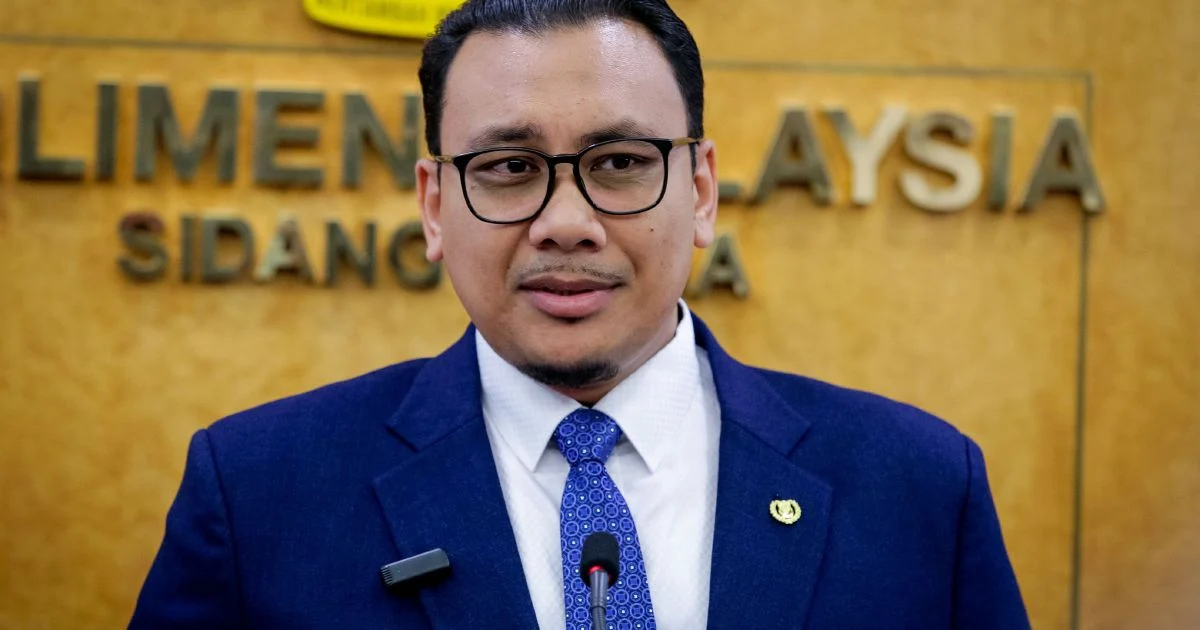
The youth wing of PAS has escalated tensions within Malaysia's ruling coalition after its chief Afnan Hamimi Taib Azamudden formally engaged legal counsel to address what his team characterizes as defamatory remarks posted on social media. The controversy centres on a Facebook post attributed to a senior Bersatu figure that Afnan contends constitutes a direct attack on both his father's character and his family's honour. This development underscores the fragile dynamics within Pakatan Harapan and Barisan Nasional alliance partners, where internal disputes occasionally spill into the public domain through digital platforms.
The decision to pursue judicial intervention reflects the seriousness with which the PAS Youth leadership treats the alleged transgression. Afnan's instruction to his legal team signals that the matter has moved beyond informal political dispute resolution and into formal legal territory. Such escalations are not uncommon in Malaysian politics, where personal and political grievances frequently find their way through both party mechanisms and the courts. The specific targeting of family members, particularly parents, tends to trigger stronger responses than general political criticism, as it is perceived as crossing established boundaries of acceptable political discourse.
Bersatu, as the party from which the alleged offending post originated, now faces potential reputational consequences and legal liability depending on how courts ultimately adjudicate the case. The party, which has undergone significant structural changes and internal repositioning since Malaysia's 2022 elections, finds itself navigating heightened scrutiny over the conduct of its senior members. This incident adds to the broader backdrop of personality-driven politics in Malaysia, where individual leaders wield considerable influence over party direction and public perception.
Facebook remains a primary battleground for Malaysian political messaging, particularly among younger voters and grassroots supporters. The platform's accessibility and the difficulty in moderating content have made it a frequent site of political conflict, with posts often escalating disputes rather than resolving them. For youth-oriented political movements like PAS Youth, social media represents both an opportunity to mobilize supporters and a vulnerability when members or rival politicians exploit the medium to inflame tensions. The borderline between robust political criticism and actionable defamation continues to present legal and ethical challenges within the Malaysian context.
The complaint implicates broader questions about standards of political conduct and the responsibility that senior party figures bear for their public utterances. In Malaysia's highly charged political environment, where coalition dynamics remain delicate and public trust in institutions continues to face headwinds, incidents such as this contribute to perceptions of politician accountability—or the perceived lack thereof. The involvement of legal mechanisms suggests that PAS Youth views existing party disciplinary or political pressure channels as insufficient to address the grievance.
Afnan's position as PAS Youth chief places him at the intersection of generational change within the Islamic party and its broader coalition strategy. His pursuit of legal remedies demonstrates how contemporary Malaysian politicians increasingly leverage judicial systems to protect personal and family reputation, a trend that reflects both the litigious nature of modern political discourse and the willingness of office-holders to invest resources in legal battles. Whether courts ultimately uphold his claim will depend on evidentiary standards and judicial interpretation of what constitutes defamation under Malaysian law.
The timing of this dispute is significant given the ongoing consolidation efforts within Malaysia's political landscape. Both PAS and Bersatu have been positioning themselves strategically within coalition structures, and public controversies between their leaders risk undermining claims of unity. For voters and observers monitoring government stability, such incidents raise questions about whether coalition partners can maintain functional relationships despite personal animosities. The resolution of this legal matter could influence broader perceptions of inter-party harmony.
Malaysian jurisprudence on defamation has evolved substantially, with courts increasingly balancing free speech protections against individual rights to reputation and dignity. How Afnan's case proceeds will likely attract attention from legal scholars and civil society observers concerned with the boundaries of acceptable political expression. The outcome may also set precedent for how similar disputes are handled in future, particularly those involving family members of public figures.
The incident highlights the generational dimension of current Malaysian politics, where younger leaders like Afnan navigate traditional notions of family honour alongside modern political competition conducted largely online. For PAS, managing such disputes internally while maintaining party discipline represents an ongoing challenge. Bersatu, meanwhile, must address the conduct of its senior members and consider whether stronger internal guidelines on social media conduct are warranted to prevent further reputational damage.
Moving forward, this case will warrant close monitoring both for its legal outcomes and its broader implications for coalition dynamics. The willingness of political actors to pursue formal legal action over social media disputes signals that Malaysian politics continues evolving in ways that blur institutional, judicial, and digital domains. Stakeholders across the political spectrum will be watching to see whether such interventions become more or less commonplace.