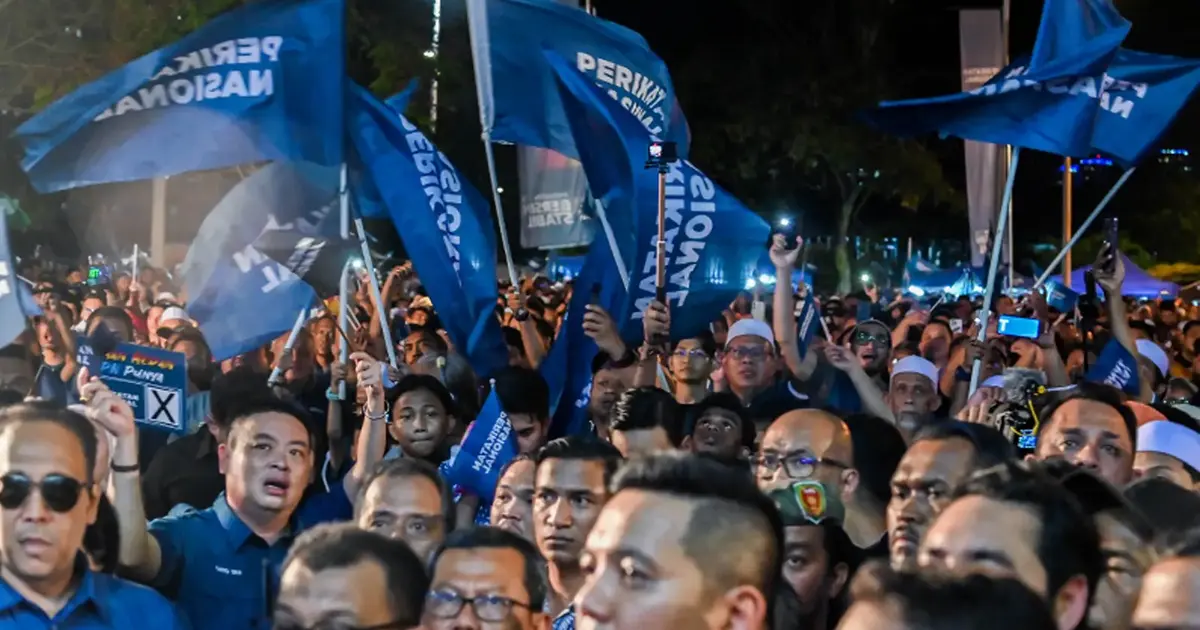
Malaysia's Perikatan Nasional coalition faces mounting pressure that could ultimately lead to its fragmentation, according to political analysts monitoring the deepening divide between its two dominant parties, PAS and Bersatu. The conflict between these partners has evolved beyond occasional policy disagreements into what observers characterise as strategic manoeuvring that threatens the very foundation of the alliance that was formed to challenge the ruling Pakatan Harapan government and compete for political dominance across the nation.
Yusri Ibrahim, chief researcher at the Ilham Centre, has assessed that the deteriorating relationship between PAS and Bersatu has progressed into what he describes as a "guerrilla war" phase, marking a qualitative shift in the nature of their disputes. This characterisation suggests that the two parties have moved beyond public confrontation into a more calculated, sustained campaign of incremental positioning and tactical manoeuvres designed to undermine each other's influence within the coalition framework. The transition to this phase indicates that reconciliation efforts, should they be attempted, would face significant obstacles rooted in deeper strategic calculations rather than simple misunderstandings.
The structural vulnerabilities within Perikatan Nasional reflect broader tensions within Malaysia's opposition landscape. PAS, drawing substantial support from the rural Malay-Muslim heartland, operates from a different ideological foundation and geographical base compared to Bersatu, which seeks to position itself as a multiethnic alternative to the dominant Pakatan coalition. These fundamental differences in party identity and political positioning create natural friction points that become amplified when both parties compete for the same parliamentary seats and ministerial portfolios in state governments where they hold joint influence.
The implications for Malaysian politics extend beyond the immediate parties involved. If Perikatan Nasional were to splinter, it would reshape the entire competitive landscape for the next general election. The coalition currently functions as the primary organisational vehicle for opposition voices dissatisfied with Pakatan Harapan's governance record. A breakdown would force both PAS and Bersatu to recalculate their electoral strategies, potentially engaging in three-cornered contests that could fragment the anti-government vote and create unpredictable outcomes in constituencies where their combined strength currently poses a credible challenge to incumbents.
State-level governance arrangements would face immediate disruption should the coalition collapse. Several Malaysian states operate under power-sharing arrangements or rely on parliamentary support from both PAS and Bersatu members to maintain stable administrations. The loss of formal coordination between these two parties would complicate existing agreements and potentially trigger realignments that could shift control of state governments, with implications for resource allocation, policy direction, and the distribution of developmental priorities across regions.
Historically, Malaysian political coalitions have demonstrated capacity for dramatic internal conflict followed by reformation under different terms. However, the nature of PAS and Bersatu's disagreements appears rooted in substantive questions of party autonomy, decision-making authority within the coalition, and competing visions for the opposition's direction. Unlike disputes that centre on specific policy issues or personality clashes that might be resolved through leadership changes, these structural tensions persist regardless of individual office-holders, suggesting deeper incompatibility in how the two parties envision their respective roles.
The timing of coalition stress remains significant for Malaysian political calculations. With general elections not mandated until 2028, both parties face strategic choices about whether to invest in rehabilitation of their partnership or to prepare for independent political competition. The extended timeline before the next electoral contest provides opportunity for either reconciliation or gradual separation, but the current trajectory appears to favour the latter as both parties consolidate support bases and develop alternative coalition possibilities.
Bersatu's internal consolidation under its current leadership direction and PAS's strengthening grip over rural constituencies have created asymmetrical power dynamics within the partnership. Neither party appears positioned to accept subordinate status within the coalition, a fundamental incompatibility that distinguishes this conflict from earlier periods of opposition collaboration when clear hierarchies of influence existed. The absence of a dominant partner capable of enforcing coalition discipline raises questions about whether Perikatan Nasional can function effectively as a unified political force.
Regional observers note that coalition fragmentation in Malaysia could influence opposition dynamics across Southeast Asia, where various parties have sought to learn from and replicate successful opposition coordination strategies. The breakdown of Perikatan Nasional would provide cautionary lessons about the challenges of sustaining multiparty coalitions built on convenience rather than shared ideology, potentially affecting how opposition movements in neighbouring democracies approach coalition-building and partnership negotiation.
For voters across Malaysia, the unfolding situation creates uncertainty about the opposition's capacity to present a coherent alternative government. Perikatan Nasional's effectiveness in articulating unified policy positions and coordinating electoral campaigns depends on functional relationships between its component parties. Deterioration of these relationships translates into reduced capacity to mobilise opposition voters effectively, potentially benefiting the incumbent Pakatan Harapan administration by default rather than through persuasion of its governance record. The guerrilla war phase that Yusri Ibrahim identified suggests that resolving these tensions will require more than routine coalition management, demanding fundamental decisions about whether PAS and Bersatu can coexist within shared institutional frameworks or must pursue independent political paths.