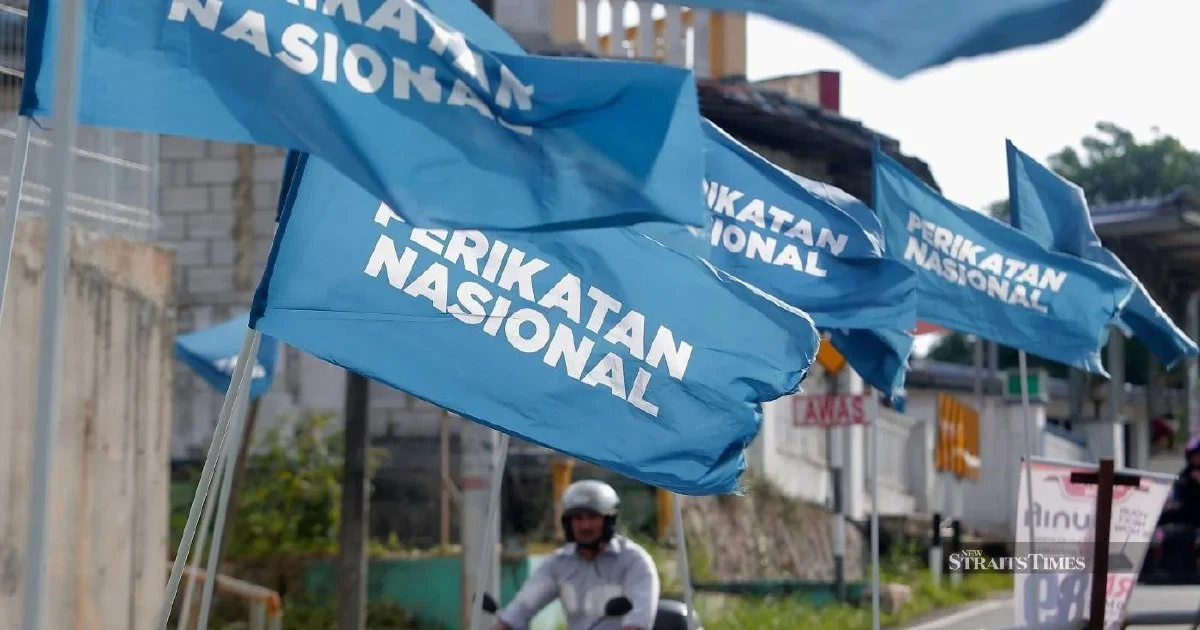
Perikatan Nasional appears determined to maintain its partnership with Bersatu despite underlying tensions, with political observers attributing the coalition's restraint to the proximity of crucial state elections in Johor and Negri Sembilan. The timing of these contests, which could significantly reshape the political landscape in two pivotal states, has created incentives for PN to project a unified front rather than allow internal disagreements to fester into open conflict.
Analysts suggest that PN leadership recognises that a public split with Bersatu would severely damage both parties' electoral prospects in the coming polls. The coalition structure depends on complementary strengths across different states and demographic groups, making any fracture particularly costly during an election cycle. For PN to maximise its seat count in either Johor or Negri Sembilan, presenting a cohesive opposition force becomes paramount, particularly against stronger rival coalitions that have spent months consolidating their own campaigns and messaging.
Bersatu's position within PN has historically been complicated, with the party occupying a central yet sometimes contentious role. Despite occasional friction over candidate selection, resource allocation, and strategic direction, the party remains essential to PN's electoral mathematics in multiple states. The timing of the Johor and Negri Sembilan elections means that any rupture would occur when both parties are actively mobilising grassroots supporters, managing candidate logistics, and competing for media attention—making it operationally difficult to simultaneously manage internal discord.
Political observers note that maintaining coalition discipline requires careful management of competing interests. PN's leadership must balance the ambitions of component parties while ensuring that no single party feels marginalised or unfairly treated. Bersatu, as a significant contributor to PN's electoral strength in certain constituencies, wields considerable leverage in these negotiations. Conversely, PN's broader coalition structure provides Bersatu with platforms and resources that it could not easily replicate independently, creating mutual dependence that encourages restraint.
The electoral stakes in these two states are substantial. Johor, Malaysia's second-largest state by population, holds strategic importance for any coalition seeking to build momentum toward federal-level politics. Negri Sembilan's demographics and traditional voting patterns also make it a key battleground where relatively small shifts in voter sentiment can produce dramatic changes in representation. Success or failure in these contests will shape the narrative around PN's broader political viability for years to come.
Historically, Malaysian coalition politics has demonstrated that electoral alliances function best when component parties perceive themselves as receiving equitable treatment and having genuine influence over strategic decisions. PN's management of Bersatu will therefore require not just avoiding public conflict but demonstrating that the alliance creates tangible benefits for all participants. This might include equitable distribution of winnable seats, meaningful roles in campaign strategy, and genuine consultation on policy priorities.
The broader competitive environment also influences PN's calculus regarding coalition stability. With multiple rival coalitions or political formations contending in these elections, PN cannot afford the chaos and demoralisation that typically follows alliance ruptures. Voters tend to view internal coalition conflicts as signals of instability and poor governance, which translates into lost support. Maintaining visible unity, even amid private disagreements, becomes a strategic necessity for preserving PN's brand and electoral appeal.
Bersatu's own political position reinforces the incentives for restraint. While the party possesses significant influence within PN, it operates from a position that requires coalition partnerships to maximise its impact. Leaving PN or triggering a formal split would leave Bersatu isolated and unable to contest elections effectively across multiple states simultaneously. This structural reality constrains Bersatu's options and creates powerful motivation to resolve disputes through negotiation rather than confrontation.
The period immediately preceding elections historically sees coalition partners extending tolerance for grievances they might otherwise publicise. Campaign schedules become crowded, media attention concentrates on competitive races, and organisational capacity becomes stretched thin. Under these conditions, partners often defer internal negotiations to avoid diverting resources from electoral efforts. However, analysts caution that this truce remains fragile and may unravel once voting concludes, particularly if either party feels disadvantaged by the electoral outcome.
Looking forward, the Johor and Negri Sembilan results will likely establish new terms of engagement between PN and Bersatu. A successful joint campaign may strengthen the partnership and create momentum for future cooperation, while disappointing results could reignite dormant tensions and prompt reconsideration of coalition arrangements. This electoral cycle thus functions as a crucial test of PN's ability to maintain coalition cohesion while competing in a complex and fragmented political environment that offers few guarantees of success.

