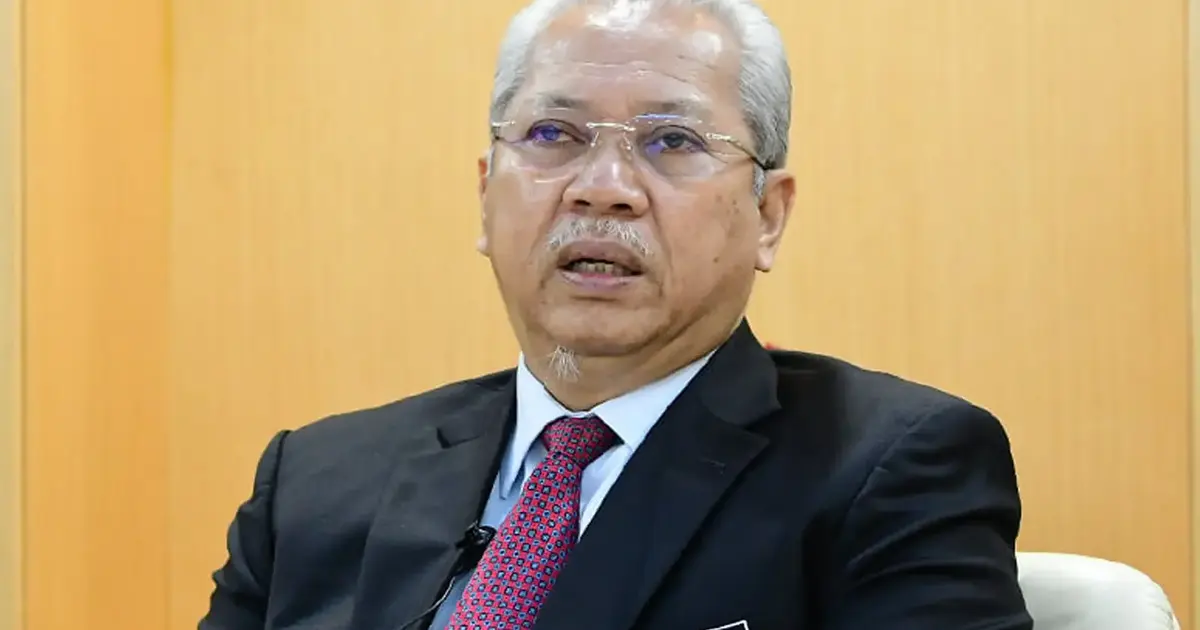
Perikatan Nasional will bring its internal divisions to the table this week as its Supreme Council prepares to settle contentious questions surrounding the coalition's future direction and operational framework. The meeting, scheduled for Monday, represents a critical juncture for the opposition alliance as it seeks to present a unified front ahead of elections in Johor and Negeri Sembilan. Information chief Annuar Musa confirmed that unresolved matters—particularly regarding Bersatu's continued membership within the coalition and the legitimacy of using PN's official logo—cannot be addressed through conventional channels and must be determined by the coalition's highest decision-making body.
The logo dispute carries significant symbolic weight within Malaysian coalition politics. The question of which party holds rights to deploy the coalition's brand reflects deeper tensions about authority, representation, and resource allocation within PN's structure. These are not merely bureaucratic concerns; they touch upon fundamental questions about how power is distributed among the alliance's constituent parties and whether individual parties retain sufficient autonomy to pursue independent political strategies. The timing of this dispute—emerging just as the coalition prepares for state-level contests—underscores the fragility of opposition alliances in Malaysia, where coalition partners frequently struggle to balance collective interests with their individual political survival.
Bersatu's status within PN has become increasingly precarious. The party, which has served as a vehicle for various political factions over recent years, faces questions about its long-term viability and whether its continued presence within the coalition strengthens or complicates PN's electoral prospects. Some observers suggest that Bersatu's internal divisions mirror broader instability within the opposition movement, while others argue that the party retains sufficient regional influence to warrant continued partnership. Monday's meeting will essentially determine whether PN remains a three-party coalition or whether structural changes are necessary to streamline decision-making and improve electoral coordination.
The seat allocation discussions for Johor and Negeri Sembilan polls represent another layer of complexity. These matters typically generate considerable friction within opposition alliances, as each partner seeks to maximize its representation and electoral opportunities. Johor, as Malaysia's largest state by population and a traditional voting powerhouse, carries disproportionate significance for any coalition's national standing. Negotiations over which party contests which seats reflect calculations about each partner's competitive strengths, local support bases, and contributions to the broader coalition strategy. A botched allocation process could alienate components of PN's leadership and undermine voter confidence heading into campaigning.
For Malaysian political observers, PN's internal mechanics offer revealing insights into opposition coalition management. Unlike Barisan Nasional, which benefits from decades of established protocols and institutional infrastructure, PN remains relatively young and organizationally underdeveloped. The coalition was initially formed around opposition to Najib Razak's administration and subsequently repositioned following the 2022 general elections. These multiple transitions have left PN without the settled power-sharing arrangements and procedural certainties that might otherwise streamline decision-making during critical moments. The Supreme Council meeting thus becomes an opportunity to formalize structures that have previously operated on an ad-hoc basis.
The regional implications deserve careful consideration. Johor and Negeri Sembilan occupy strategically important positions within Malaysia's political geography. Johor's size and influence mean that state election results often foreshadow national sentiment, while Negeri Sembilan's proximity to Kuala Lumpur makes it a barometer of urban voter preferences. PN's performance in these states could significantly impact the coalition's momentum heading toward any future general election. Conversely, a poorly coordinated campaign resulting from unresolved internal disputes could damage PN's credibility and hand strategic advantages to both Barisan Nasional and PKR-led coalitions operating in these states.
Annuar Musa's public confirmation that resolution requires Supreme Council intervention suggests that lower-level negotiation channels have proven inadequate. This escalation indicates genuine substantive disagreements rather than minor administrative matters. The information chief's statement serves notice to all coalition partners that these issues demand senior-level decision-making authority, establishing clear organizational hierarchy. By channeling disputes through formal council mechanisms, PN leadership attempts to prevent factional disputes from metastasizing into broader intra-coalition conflict that might spill into public discourse and damage the alliance's electoral prospects.
The Monday meeting will likely involve detailed negotiations over specific seat assignments, with party leaders calculating optimal distributions that balance geographic representation, incumbent performance records, and competitive viability. Coalition mathematics in Johor and Negeri Sembilan will reflect broader calculations about which partners can deliver votes in particular constituencies and whether concentrating resources in winnable seats outweighs diversifying presence across contested areas. These technical discussions frequently mask deeper strategic disagreements about the coalition's long-term direction and which partners should occupy leadership positions within any potential state governments.
Bersatu's particular situation deserves attention. The party has attempted to position itself as a bridge between different political camps, a role that simultaneously confers strategic value and generates instability. Any Supreme Council decision regarding Bersatu's future status will send signals not only to PN's current partners but also to other potential coalition members and floating voters. A commitment to Bersatu strengthens PN's multiethnic credentials and prevents the party from potentially defecting to rival coalitions. Conversely, addressing legitimate concerns about Bersatu's organizational capacity or electoral viability demonstrates that PN maintains serious standards regarding its membership composition.
Looking forward, how PN resolves these disputes this week will significantly influence the coalition's campaign effectiveness. Successful resolution—marked by clear decisions on logo usage, seat allocations, and Bersatu's status—would allow PN to commence campaign operations with internal clarity and unified messaging. Conversely, muddled compromises that leave fundamental questions unresolved risk creating ongoing friction that saps campaign momentum and invites voter skepticism about the coalition's coherence and readiness for governance responsibilities.

