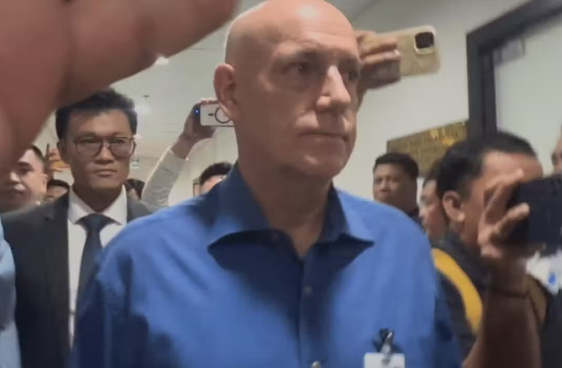
Tab Baldwin, the former head coach of Ateneo de Manila University's men's basketball team, presented himself at the National Bureau of Investigation's Homicide Division on Tuesday after repeatedly missing scheduled interviews in an ongoing inquiry into the deaths of two student-athletes. The appearance came after Baldwin had failed to show up twice in the previous week, citing health concerns through his legal representative. He arrived at the NBI office around 1:45 pm accompanied by his lawyer Karl David and remained there for questioning as authorities seek to understand circumstances surrounding the tragedy.
The investigation centres on the deaths of Rene Baterbonia and Divine Adili, both Ateneo basketball players who drowned during a supervised team activity in Dipaculao, Aurora, earlier this month. The incident has sent shockwaves through Philippine university sports circles and raised serious questions about duty of care, supervision protocols, and the responsibilities of coaches and institutions managing student-athlete safety during off-campus activities. The National Bureau of Investigation and Philippine National Police have been conducting parallel investigations to determine what led to the drowning and whether there were any lapses in safety measures.
Baldwin's repeated absences from earlier summons had prompted concern among investigators and drawn public attention to the case. During his first scheduled appearance on June 16, the former coach did not attend, with his legal team indicating through a written communication that Baldwin was experiencing health difficulties and could not be present. The second missed appointment occurred on June 19, though Baldwin did appear before the Philippine National Police-Criminal Investigation and Detection Group on that same date, creating an apparent inconsistency in his availability that investigators will likely scrutinise.
The NBI's approach to Baldwin's testimony represents a critical phase in their inquiry. According to National Bureau of Investigation Director Melvin Matibag, authorities plan to conduct a detailed comparison between the statement Baldwin provides to the NBI and his previous testimony before the PNP-CIDG. This cross-referencing of accounts is standard investigative practice when multiple law enforcement agencies are involved and helps identify discrepancies or changes in a witness's narrative that might indicate attempts to conceal information. The simultaneous investigations by both the NBI and police suggest the seriousness with which authorities are treating the matter.
Ateno de Manila University, one of the Philippines' most prestigious educational institutions with a strong athletic tradition, has faced considerable scrutiny following the incident. The university's basketball programme is highly regarded regionally, and the deaths of two student-athletes have prompted wider discussions about institutional responsibility, insurance coverage, and whether universities adequately prepare coaches and administrators for emergency response. Media coverage and public commentary have intensified calls for transparency in how the university manages team activities and what protocols it has in place to protect student-athletes during training camps and team outings.
The drowning incident highlights the ongoing tension in Philippine sports between maintaining rigorous training standards and ensuring adequate safety measures, particularly for activities held outside controlled campus environments. Aurora Province, where Dipaculao is located, is on the north coast of Luzon and has various waterways and natural attractions that schools and sports organisations occasionally utilise for team-building exercises and training camps. The remote nature of such locations can complicate emergency response efforts, which may be relevant to how events unfolded during the fatal team activity.
Baldwin's profile in Philippine basketball adds another dimension to the investigation. As a former national team coach and university programme director, he held significant authority and responsibility. His approach to training, team management, and risk assessment during activities would naturally come under examination when incidents occur. The investigation will likely explore whether he made decisions that might have contributed to the tragedy, either through actions taken or safety precautions omitted. The comparison between his accounts to different agencies will test the consistency and credibility of his recollection of events.
For Malaysian observers, this case offers instructive lessons about institutional accountability in university sports programmes and the legal frameworks governing student safety. Malaysia's own university sports ecosystem faces similar challenges regarding the duty of care institutions owe student-athletes, particularly during off-campus training activities and competitions. The Philippine authorities' approach to investigating the circumstances thoroughly and comparing statements across agencies provides a template for how such tragedies should be handled when they occur in any regional jurisdiction.
The National Bureau of Investigation indicated it intends to complete its investigation into the deaths of the two Ateneo basketball players by the end of this week, suggesting that critical interviews and evidence collection are nearing completion. This timeline indicates pressure to resolve the case relatively quickly, though thoroughness cannot be compromised in circumstances involving loss of life. Once the NBI concludes its findings, authorities will need to determine whether any criminal charges are warranted or whether the incident will be classified purely as an accident resulting from circumstances beyond anyone's control.
The outcome of this investigation will likely influence how Philippine universities structure their athletic programmes and manage student-athlete safety going forward. Insurance requirements, mandatory safety training, improved emergency protocols, and clearer liability frameworks may emerge as institutions respond to public and regulatory pressure to prevent similar tragedies. For the families of Baterbonia and Adili, and for the broader Ateneo community, the investigation represents an opportunity to understand what happened and to implement changes that honour the memory of the two young athletes who lost their lives.

