The Philippine Department of Justice has launched an active investigation into potential criminal charges against public officials in connection with a shooting incident at the Senate on May 13 and the escape of Senator Ronald dela Rosa from protective custody hours later. Justice Secretary Fredderick Vida disclosed that the DOJ's prosecutorial team is examining evidence gathered from multiple sources as it works to establish the nexus between these two highly sensitive events, which have sparked widespread concern about security breaches at the nation's highest legislative institution.
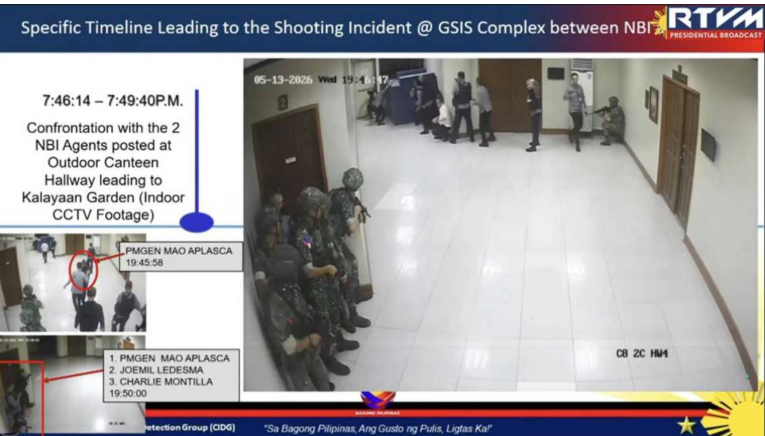
Vida detailed that investigators have assembled accounts from personnel of the National Bureau of Investigation, media practitioners, and surveillance recordings that indicate sniper fire originated from the fifth floor of the Senate building. The shots, according to preliminary findings, were directed toward an identifiable NBI vehicle positioned at the GSIS premises, suggesting a targeted operation rather than a random act of violence. This specificity underscores the gravity of the allegations and raises troubling questions about coordination and access to sensitive areas within the Senate complex.
The timing of the two incidents—the shooting on May 13 and dela Rosa's escape in the early hours of May 14—appears too coincidental to be unconnected, fueling speculation about whether there was deliberate coordination among individuals positioned to facilitate the senator's departure. Such a sequence of events would represent an extraordinary breach of institutional security protocols and could indicate conspiracy among officials entrusted with maintaining order and protecting high-profile detainees. For Malaysian observers, the incident echoes broader regional concerns about institutional integrity and the vulnerability of security arrangements even at the highest levels of government.
Vida acknowledged that while specific individuals have not yet been formally named as persons of interest, the preliminary evidence points toward multiple public officials being involved in some capacity. This measured characterization suggests that the investigation is still in its nascent stages, with prosecutors likely still assembling the comprehensive evidentiary foundation necessary to support criminal charges. The involvement of public servants—rather than external actors—adds a particularly troubling dimension, as it indicates potential corruption or complicity within state institutions themselves.
The Justice Secretary emphasised that the investigation remains dynamic and open-ended, cautioning against premature conclusions. Vida stated that the department would pursue the matter with professionalism and objectivity, pledging to follow the evidence wherever it leads without favouritism or political considerations. This commitment to even-handed justice is rhetorically important, especially given the high-profile nature of the case and the political sensitivities surrounding a sitting senator.
Vida further stressed a critical principle underpinning the rule of law: that no individual should face judgment before evidence has been thoroughly examined and presented. This acknowledgment of due process rights, while seemingly elementary, carries particular significance in contexts where extra-judicial actions or rushed prosecutions have occasionally undermined public confidence in the justice system. The Justice Secretary's explicit invocation of this principle signals awareness of such concerns and an attempt to reassure observers that the investigation will proceed with appropriate rigour and fairness.
Simultaneously, Vida's assertion that no one is above the law served as a counterweight to his emphasis on due process. By framing the investigation within this dual commitment—to both fairness and accountability—the DOJ sought to address public anxiety about whether powerful officials might escape consequences for their actions. For Southeast Asia, where questions about elite accountability periodically surface, the handling of this case will carry symbolic weight regarding the region's commitment to transparent governance.
The involvement of the NBI in gathering testimony and the collection of CCTV evidence indicates a systematic investigative approach. Surveillance footage, in particular, can provide objective documentation of movements within the Senate building and potentially identify individuals present at crucial moments. Such technical evidence, combined with witness statements from trained law enforcement personnel, should theoretically provide a solid foundation for prosecution if criminal conduct is established.
The escape of dela Rosa, a former police chief and senator, from protective custody represents an extraordinary institutional failure regardless of whether his departure was assisted or opportunistic. The fact that such a high-profile figure could leave custody undetected raises fundamental questions about oversight mechanisms and adherence to established protocols. These deficiencies would require investigation independent of the shooting incident itself, though the apparent temporal connection suggests investigation of both matters as potentially linked phenomena.
For regional observers, the case illustrates the complexity of maintaining institutional integrity in large democracies where multiple agencies must coordinate effectively. The Senate shooting investigation will likely attract sustained scrutiny from civil society and media watchdogs, serving as a bellwether for whether the Philippines' investigative institutions can credibly examine alleged misconduct by public officials at the highest levels. The DOJ's handling of the case—its transparency, evidentiary standards, and ultimate conclusions—will contribute significantly to broader assessments of institutional accountability within the Philippine state and by extension across Southeast Asia.
The investigation's progression will also test the resilience of prosecutorial independence from political pressure. Whether the DOJ can sustain its investigation despite potential pressure from powerful interests will provide important indicators about the health of the Philippine justice system and the viability of mechanisms designed to constrain official misconduct. As the investigation continues to unfold, the public statements from Justice Secretary Vida suggest at least a rhetorical commitment to thoroughness and impartiality, though the actual trajectory of charges and prosecutions will ultimately determine whether institutional integrity is genuinely upheld.