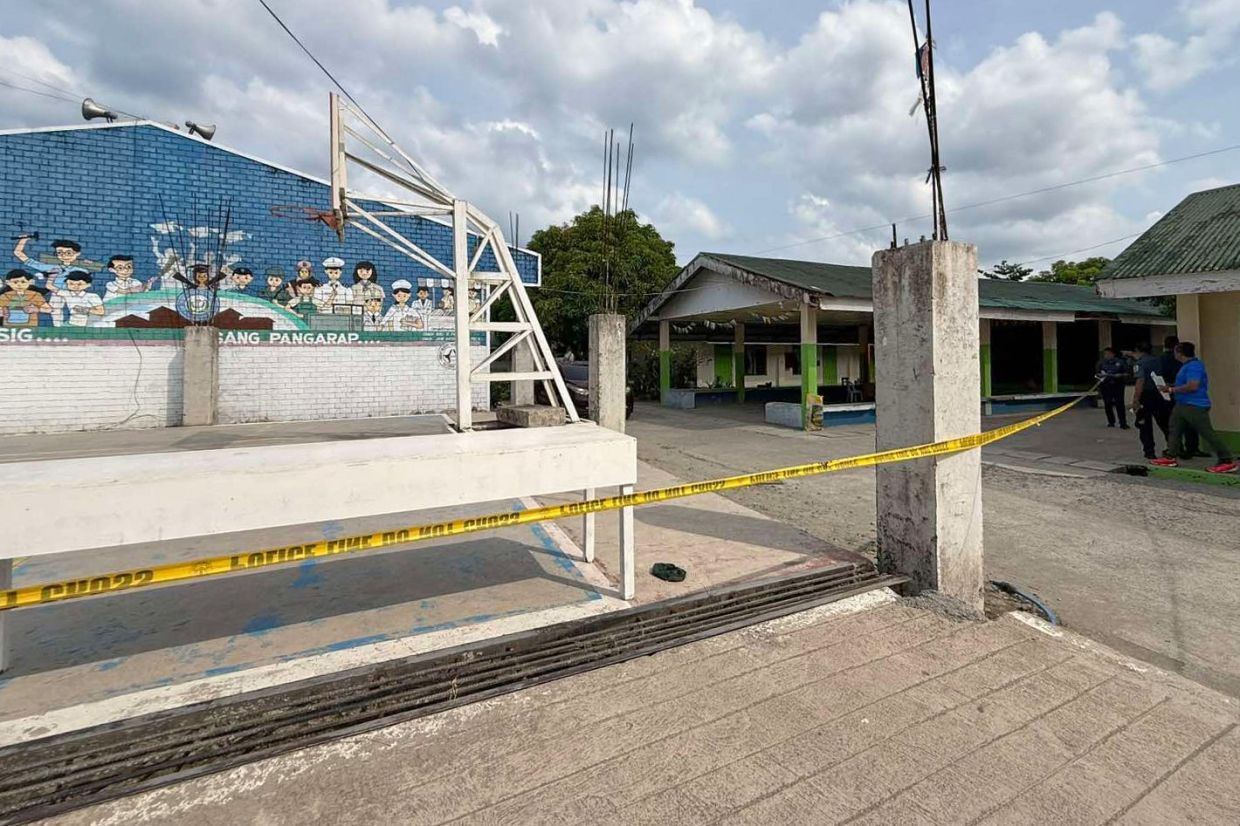
A 14-year-old Grade 10 student was detained by Philippine National Police investigators after posting threats of violence against her school on social media platforms, Interior Secretary Jonvic Remulla announced Thursday following a lead from Senator Bam Aquino. The minor, a pupil at Tolosa National High School in Leyte province, created multiple Facebook accounts to disseminate the threatening message on Wednesday night, according to police findings. The posts warned her schoolmates at the institution in specific terms to "prepare yourselves, especially to you, as you owe me" and threatened disruption through shooting or stabbing, though investigators found no evidence she possessed firearms or had developed concrete operational plans.
The timing of the incident underscores the heightened tensions across Philippine educational institutions following the San Jose National High School mass shooting in Tacloban City just days earlier, an attack that claimed three student lives and wounded at least 20 others. The perpetrators in that case—two students aged 14 and 15—and the Tolosa student all shared a connection to GoreBox, a violent video game that the Cybercrime Investigation and Coordinating Centre moved to temporarily ban in response to the Monday shooting. This gaming link has prompted authorities to examine whether digital media consumption is contributing to a pattern of violent ideation among adolescents in the region, raising troubling questions about youth vulnerability to extreme content.
Remulla detailed the full text of the student's post during a press briefing at Camp Crame, revealing a message designed to instil fear among her peers. The language employed—anonymous threats combined with specific references to debts or grievances—suggests the minor may have been targeting individuals she perceived had wronged her, though investigators noted the posts appeared to be expressions of distress rather than manifestations of genuine organisational capacity. The student's identity was confirmed through social media forensic analysis and corroborating information from concerned members of the school community who reported the posts to law enforcement.
Notably, authorities encountered significant obstacles during their investigation. When police operatives made contact with the student's family, her parents proved uncooperative and declined to provide information about the circumstances surrounding the threatening posts. The minor herself exhibited hesitation and resistance during initial questioning, citing fear of the consequences she might face as a result of police intervention. These family dynamics proved indicative of deeper domestic tensions that authorities would later identify as potential motivating factors behind the social media outbursts.
The case ultimately illustrates the constraints built into the Philippine juvenile justice system, which prioritises rehabilitation and family intervention over criminal prosecution. Because the minor was below the age of criminal responsibility under Republic Act No. 9344, the Juvenile Justice and Welfare Act, she could not be formally charged with any crime. Consequently, the PNP transferred custody of the student to the Department of Social Welfare and Development, which subsequently released her to her parents. This procedural requirement, while grounded in child protection principles, has become a flashpoint in national debates about balancing youth rights with community safety in an era of social media-enabled threats.
Investigators concluded that the threatening accounts had been deleted once authorities made initial contact, preventing a complete forensic reconstruction of all posts or identification of whether the student had engaged in extended online harassment. Remulla indicated that family intervention and engagement with parents appeared to have neutralised the immediate threat posed by the minor, with no indication of ongoing activity or escalation. The secretary's characterisation of the case as potentially stemming from "personal and family issues" pointed to deeper psychological or domestic circumstances that may have precipitated the social media outbursts, though he provided limited detail regarding the specific nature of these difficulties.
A striking finding from the investigation was that neither the student nor her family possessed access to firearms, a factor authorities cited as evidence that the posted threats, however disturbing, likely represented expressions of adolescent anger rather than premeditated plans for actual violence. This distinction carries significant weight in the Southeast Asian context, where school shootings remain relatively uncommon compared with other regions, making each incident exceptionally alarming to communities and generating intense public scrutiny of subsequent copycat threats. The absence of weaponry access represents a crucial protective factor that may have prevented what could have become a genuine tragedy.
Remulla's statement that the student may have been influenced by "a recent shooting" underscores the contagion effect demonstrated by high-profile acts of school violence in connected communities. When one institution experiences a mass casualty incident, subsequent threats and concerning behaviour often spike at neighbouring schools, particularly when perpetrators are relatively young and operate within peer networks. For Malaysia and other Southeast Asian nations observing the Philippine situation, this pattern carries cautionary implications about how media coverage of violence can inadvertently amplify risks at nearby institutions, particularly among adolescents already experiencing psychological distress.
The investigation has prompted fresh discussions within Philippine law enforcement about the relationship between violent video games and real-world threats among teenagers, though researchers and child psychology experts maintain that gaming alone rarely produces violent behaviour absent concurrent risk factors such as access to weapons, severe mental health conditions, or abusive family environments. The temporary ban on GoreBox represents a policy response to public alarm, though its effectiveness in preventing future incidents remains uncertain given that millions of Filipino youth consume violent digital content without engaging in threatening behaviour. The broader challenge facing schools and parents across the Philippines and the wider region involves distinguishing between adolescent hyperbole and genuine threats requiring intervention.
For Malaysian education authorities and policymakers, the Tolosa case and its broader context offer important lessons about the necessity of robust threat assessment protocols, improved coordination between schools and law enforcement, and trauma-informed approaches to handling students exhibiting signs of distress. The incident demonstrates that even when immediate physical danger appears limited, the psychological impact on school communities—and the resources required to investigate and resolve such threats—can be substantial. Moving forward, developing frameworks that integrate cybercrime investigation expertise, school counselling services, and family intervention capabilities may prove essential to preventing future incidents while protecting the rights and welfare of vulnerable young people.

