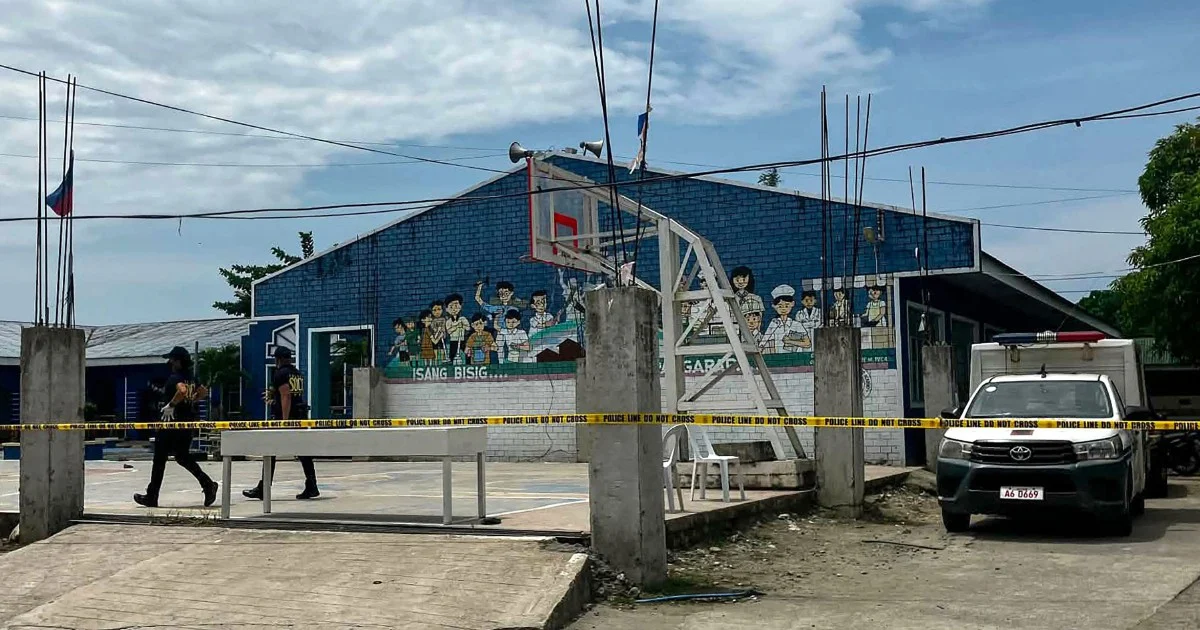
Philippine President Ferdinand Marcos Jr has directed authorities to launch a comprehensive investigation into a shooting incident at a school in Tacloban that resulted in three fatalities and left five others wounded. The directive, issued on Monday, signals the administration's intention to examine the circumstances surrounding the attack and assess potential gaps in security protocols at educational facilities across the nation.
The shooting represents another troubling incident in what has been a growing concern over safety in Philippine schools. Educational institutions, traditionally considered protected spaces for learning and development, have increasingly become sites of violent incidents that raise questions about the adequacy of existing security measures and emergency response procedures. The incident in Tacloban, a major urban centre in the Eastern Visayas region, underscores how such threats can materialise in cities of considerable size and administrative capacity.
President Marcos Jr's decision to order a formal investigation reflects the gravity with which the administration views the incident and signals potential policy responses that may follow. Such inquiries typically examine the shooter's background, motive, access to firearms, and the institutional responses that preceded and followed the attack. The findings from this investigation will likely inform debates about gun control, mental health services, and school safety protocols at the national level.
The presence of five injured persons alongside the three deaths indicates that the incident involved sustained violence rather than a single act. Emergency response systems in Tacloban would have been mobilised to treat the wounded and secure the scene. Understanding how quickly medical personnel responded and whether the response could have been improved will form part of the investigative process, with implications for how emergency protocols are implemented nationwide.
For Malaysian observers, the Philippine incident serves as a sobering reminder of the security challenges facing educational systems across Southeast Asia. While mass school shootings remain less common in Malaysia than in some Western nations, they are not unprecedented in the region. The response undertaken by the Philippine government—immediate investigation and presidential attention—reflects international best practices for handling such crises and may provide a model for how regional governments approach similar situations.
The incident also highlights ongoing debates about firearms regulation and enforcement in the Philippines. The country has experienced persistent challenges related to illegal weapons circulation, gang violence, and the enforcement of existing gun laws. A comprehensive investigation into how the shooter obtained weapons and evaded detection mechanisms could yield important findings for policy makers considering tighter controls on firearms acquisition and licensing.
School security in Southeast Asia has become increasingly complex as institutions attempt to balance the need for safety with maintaining welcoming, open environments conducive to learning. Tacloban's incident will likely prompt schools throughout the region to review their security arrangements, including perimeter fencing, access controls, staff training for emergency situations, and coordination with local police forces. The psychological impact on students and staff will also require attention from counsellors and mental health professionals.
The timing of the investigation is significant, as it demonstrates governmental responsiveness to public concern about safety. President Marcos Jr's administration has prioritised addressing crime and public order issues since taking office. How thoroughly this investigation proceeds and what recommendations emerge from it will signal the administration's commitment to protecting vulnerable populations, particularly children in school settings.
The shooting raises questions about the socioeconomic and personal circumstances that may have motivated the perpetrator. Understanding whether the incident stemmed from personal grievance, mental health crisis, gang involvement, or other factors will help authorities develop targeted prevention strategies. Regional law enforcement agencies across Southeast Asia often share information about criminal patterns and security threats, suggesting that findings from the Tacloban investigation could inform policies in neighbouring countries including Malaysia, Indonesia, and Thailand.
Parental and community confidence in school safety is essential for maintaining enrolment and educational continuity. Incidents such as the Tacloban shooting inevitably generate anxiety among families considering their children's security. Schools in affected areas may face pressure to implement additional security measures, which could include more police presence, security personnel, surveillance systems, or modified entrance procedures. Balancing these measures with the preservation of a supportive learning environment will challenge administrators.
The incident also underscores the importance of intelligence and early warning systems. Whether there were prior indicators of potential violence that were missed or mishandled will be central to the investigation. Law enforcement agencies across Southeast Asia have increasingly emphasised threat assessment and behavioural analysis to identify individuals at risk of committing violence, and the Tacloban case will likely inform these ongoing discussions.
For the Philippine government, the investigation represents an opportunity to examine systemic vulnerabilities in school safety across the archipelago. The Philippines, with its widespread geographic dispersion and varying levels of municipal capacity, faces particular challenges in implementing uniform security standards. What works in Manila may require adaptation in provincial cities like Tacloban, and the investigation may reveal these regional differences.
The broader implications extend to how Southeast Asian societies address the convergence of firearms availability, mental health support, social cohesion, and institutional security. As the region continues to develop economically and urbanise, maintaining public safety while respecting civil liberties remains a central challenge. The Tacloban school shooting and the ensuing investigation will contribute to evolving regional understanding of how best to protect vulnerable populations, particularly those in educational settings.

