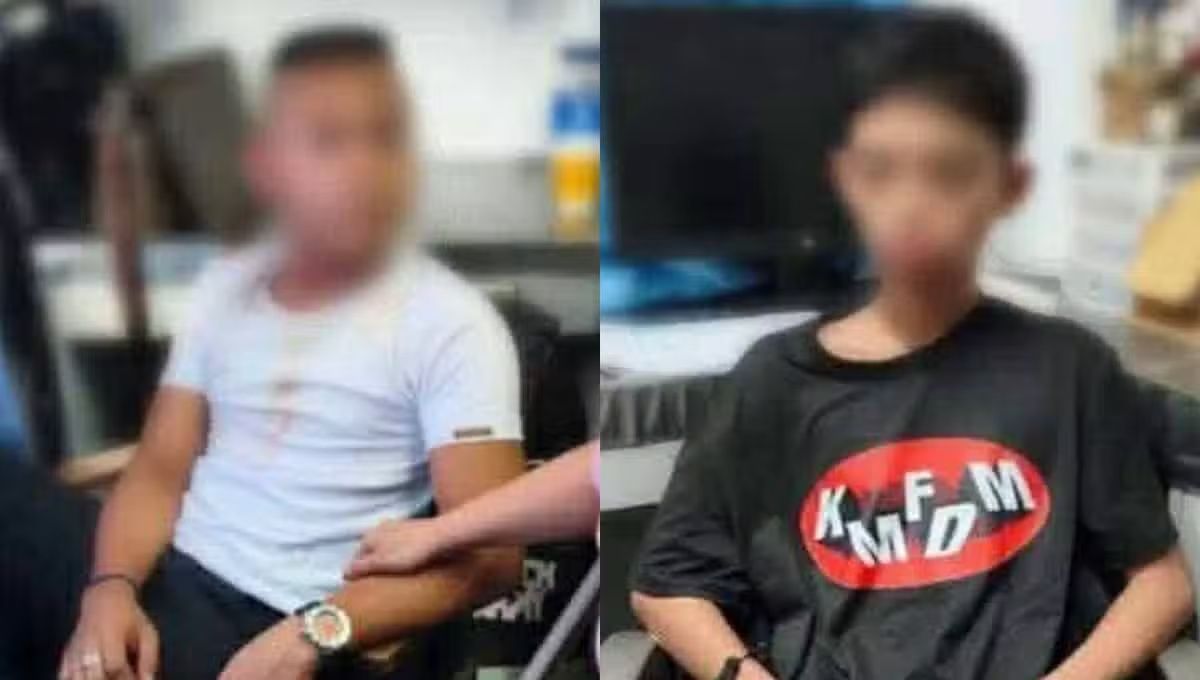
A shooting at San Jose National High School in Tacloban City, Leyte, on June 22 has exposed deep fractures in the Philippine legal system's approach to juvenile delinquency. Two Grade 9 students, aged 14 and 15, allegedly opened fire on their classmates after years of bullying, leaving three dead and 20 wounded in what ranks among the deadliest school shootings the country has experienced in recent memory. The incident has become the catalyst for a national reckoning on criminal culpability and childhood, pitting bereaved families against child welfare advocates in a debate that goes to the heart of how the Philippines views responsibility and accountability.
The legal treatment of the two suspects starkly illustrates the law's current boundaries. The 15-year-old faces multiple murder charges and the prospect of criminal prosecution, yet the 14-year-old cannot be charged at all under the Juvenile Justice and Welfare Act of 2006. Instead of facing court, he will be channelled into a rehabilitation facility called the House of Hope, designed for children in conflict with the law. For grieving parents, this distinction feels like a second betrayal. Erbea Fabian, mother of 15-year-old victim Chris Lorenz, described how the younger suspect actually committed most of the shooting, making the legal exemption feel arbitrary and unjust. Jenny Baldoria, whose 16-year-old son Joyancee was killed, expressed similar anguish, questioning how forgiveness was possible when one perpetrator faced different consequences solely because of his age.
The Tacloban shooting has coincided with an alarming wave of student violence across the archipelago. Police averted another potential mass shooting at a different Leyte school days after the initial attack, and three separate stabbing incidents occurred on campuses nationwide within the same week. This clustering of incidents has created political momentum for reform. President Ferdinand Marcos Jr has signalled openness to lowering the minimum age threshold, while the Philippine National Police has proposed setting it at 12. Police spokesperson Allen Rae Co pointed to cases involving children as young as nine in criminal activity, suggesting the current law leaves dangerous actors beyond prosecution. Interior Secretary Jonvic Remulla highlighted how drug syndicates deliberately exploit minors precisely because they cannot be held criminally liable, effectively weaponising the law's protections.
Investigators discovered that the younger suspect had been consuming violent online content before the attack, particularly the video game GoreBox, a first-person shooter developed by German firm F2Games featuring brutal combat scenarios. The government temporarily blocked access to the game while examining its potential influence. This detail has widened the debate to include digital regulation and media literacy, though determining causation between gaming and violence remains scientifically contested. Senator Robin Padilla filed a bill in July 2025 to lower the age to 10 and called for an emergency congressional session to address the issue, framing school shootings as a phenomenon the Philippines risks importing from America unless swift legislative action is taken.
The Philippines currently maintains one of Asia's highest minimum ages of criminal responsibility. Most neighbouring countries have already calibrated their thresholds downward: Indonesia sets theirs at 12, Singapore at 10, and most regional peers position themselves at 14. This comparative isolation has become ammunition for reform advocates arguing the nation lags behind international norms. However, the United Nations Committee on the Rights of the Child presents a complicating counterargument, urging states not to lower thresholds already above 14 and declaring any minimum below 12 as internationally unacceptable. Singapore's model allows charging offenders between 10 and 16, typically handling cases through a Youth Court system that attempts to balance accountability with developmental considerations.
Opponents of lowering the age threshold contend that reform would address symptoms rather than root causes. Tricia Clare Oco, executive director of the Juvenile Justice and Welfare Council, argued on state television that reducing the age threshold would not enhance child safety because it fails to tackle the underlying drivers of youth violence. She pointed to evidence from strict American jurisdictions where aggressive prosecution has not stemmed school shootings, suggesting that legislative severity alone cannot prevent tragedies rooted in family dysfunction, bullying, peer pressure, and cultural normalisation of harm. According to advocates like Oco, existing law already permits courts to order involuntary commitment to rehabilitation facilities within 72 hours, with structured rehabilitation programs being mandatory and parents exposed to civil liability, measures that can prove effective when properly implemented.
The tragedy has triggered multiple official investigations. Beyond police enquiries, the Philippine Senate and the Commission on Human Rights have launched separate probes into the Tacloban shooting. The rights commission issued a statement emphasising the need for urgent, compassionate responses grounded in human rights principles, calling for a child-sensitive and rights-based approach that honours victims while preventing future incidents. These parallel investigations suggest that the question of criminal liability cannot be resolved through law alone—cultural, institutional, and family-level factors demand simultaneous attention.
For Malaysian observers, the Philippine debate offers instructive parallels. Malaysia's own minimum age of criminal responsibility stands at 10, placing it closer to the Singapore-Indonesia band than to the Philippines. School safety remains a concern across Southeast Asia, and the question of how young people should be held accountable for serious offences transcends borders. The Philippine case illustrates that reform debates inevitably pit competing values: protection of children as a vulnerable population versus accountability for severe harm, victims' justice against rehabilitative potential, and national legislative autonomy against international conventions. How the Philippines ultimately resolves this tension will likely influence discussions throughout the region.
The human cost of the Tacloban shooting will persist long after legislative debates conclude. Three families have lost children who will never attend college or build careers. Twenty survivors carry physical and psychological wounds. The two young perpetrators face vastly different legal futures, yet both represent failures of education systems, family support networks, and mental health services to recognise and intervene in escalating distress. Whether lowering the age of criminal responsibility becomes law or remains contested, deeper structural changes in how Philippine society addresses bullying, social isolation, and access to weapons will ultimately determine whether further tragedies can be prevented.

