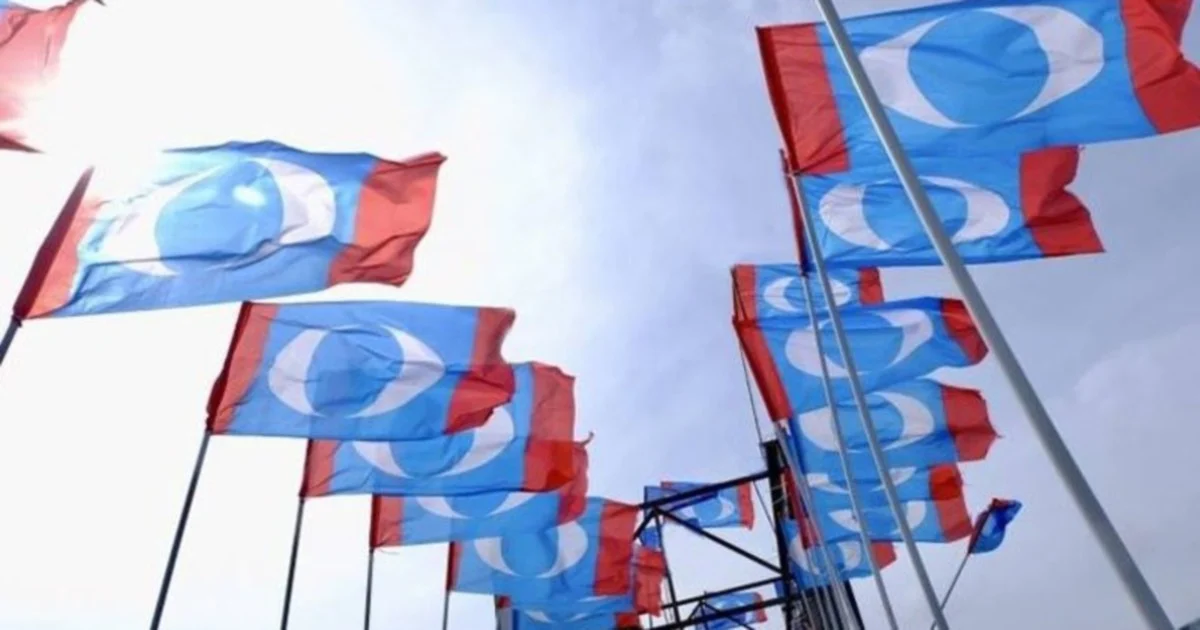
The People's Justice Party (PKR) has moved to the final stages of assembling its electoral machinery for the upcoming state elections in Johor and Negeri Sembilan, with party secretary-general Datuk Dr Fuziah Salleh confirming that the candidate list is now 99 per cent complete. The announcement signals that Malaysia's opposition coalition is entering the home stretch of its campaign preparation, having conducted what appears to be an exhaustive internal selection process to identify candidates for the two state legislatures.
Candidate selection has emerged as a critical juncture in the electoral calendar for PKR and its allied partners in the coalition government. The near-completion of the vetting and approval process indicates the party has substantially concluded its deliberations regarding which individuals will represent PKR in both state assemblies. This degree of preparation typically precedes official nominations by electoral authorities, allowing parties to conduct final due diligence and media management on their chosen representatives.
For Johor particularly, PKR's roster carries substantial weight in the broader political landscape. As one of Malaysia's most influential states, electoral performance in Johor serves as a barometer for national political sentiment. PKR's ability to field a comprehensive and competitive slate of candidates demonstrates organizational capacity at a critical moment for the coalition. Similarly, Negeri Sembilan's smaller but strategically significant state assembly presents opportunities for PKR to consolidate support in a key federal territory adjacent to Selangor.
The timing of the candidate announcement reflects careful orchestration within PKR's leadership. By publicly confirming that the selection process is at the 99 per cent stage rather than claiming absolute finality, party officials preserve flexibility to address last-minute complications, resolve outstanding disputes over contested nominations, or accommodate unforeseen developments that sometimes plague candidate selection in Malaysian politics. This measured approach suggests confidence in the core roster while acknowledging the fluid nature of electoral politics.
PKR's selection methodology has traditionally involved consultation with party divisions at state and district levels, ensuring that chosen candidates possess both organizational credibility and grassroots support within their respective constituencies. The scale of candidate selection across two states simultaneously presents logistical challenges that the party has evidently managed through streamlined processes and clear decision-making frameworks. The high completion percentage suggests that major contestations over nominations have been resolved or are approaching resolution.
The candidate list's near-readiness carries implications for coalition dynamics. PKR operates as part of a multi-party electoral alliance that must coordinate candidate deployment across multiple parties to avoid duplication and ensure efficient vote consolidation. The confirmation that PKR's list is substantially finalized suggests that coordination discussions with other coalition partners regarding seat allocation and campaign strategies are either complete or in advanced stages. This synchronization is essential for maintaining coalition cohesion heading into the election period.
From a Malaysian governance perspective, the states of Johor and Negeri Sembilan represent distinct political battlegrounds. Johor, with its significantly larger population and assembly, carries greater weight in state government formation and national political calculations. Success or failure in Johor would substantially influence perceptions of coalition strength ahead of potential future federal elections. Negeri Sembilan, though smaller, maintains independent significance as a state capable of producing surprises in electoral outcomes, making candidate selection there equally consequential.
The fact that PKR has essentially concluded its candidate selection while other coalition partners may still be deliberating suggests either superior organizational efficiency or perhaps earlier initiation of the selection cycle. This timing advantage potentially allows PKR candidates additional weeks to campaign and build visibility with voters before official nominations are filed with the Election Commission. Such preparation time can translate into tangible advantages in constituency-level organization and voter familiarity, factors that frequently determine outcomes in closely contested races.
Candidate quality and diversity have become increasingly scrutinized in Malaysian electoral politics. PKR's selection process reportedly emphasizes merit-based assessment alongside considerations of demographic representation and candidate track records. The near-completion of the list provides an opportunity for both internal party evaluation and external civil society assessment of whether the chosen candidates reflect the party's stated commitments to governance standards and representational diversity. These evaluations often influence voter perceptions during campaign periods.
Looking forward, the completion of PKR's candidate list marks a transition from internal party processes to external campaign activities. Party machinery will shift focus toward candidate campaigning, voter engagement at the constituency level, and coordination with coalition partners on messaging and resource allocation. The 99 per cent completion figure suggests that detailed campaign calendars and resource deployment strategies are likely already under development, with party leadership preparing for rapid activation once nominations close.
For Malaysian voters in Johor and Negeri Sembilan, the finalization of PKR's candidate roster represents the beginning of a critical electoral assessment period. Voters will evaluate not merely which party to support, but specifically whether individual PKR candidates merit their votes based on capability, integrity, and alignment with local constituency priorities. The quality of PKR's candidate selection will directly influence how effectively the party can mobilize voter support and contribute to broader coalition electoral performance in these strategically important states.

