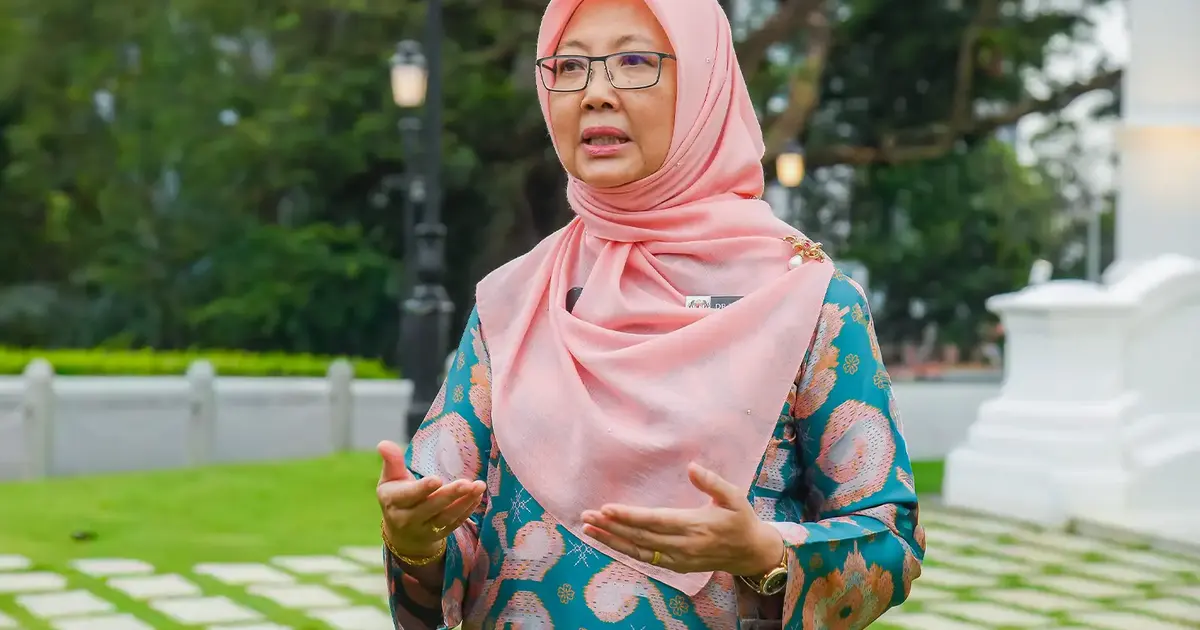
PKR vice-president Zaliha Solahuddin has registered her bewilderment at a request from Johor Barisan Nasional chairman Onn Hafiz Ghazi, who has pressed the Pakatan Harapan coalition to publicly declare its preferred chief ministerial candidate ahead of forthcoming state elections. The demand has left Zaliha questioning the strategic soundness of such a move when no assurance exists that the individual would ultimately secure the position following polling day.
Onn Hafiz's call represents a significant departure from conventional political practice in Malaysian state elections, where coalitions have historically guarded the identity of their menteri besar candidates with considerable discretion. The BN chairman's public pressure for transparency appears designed to force PH into a corner, potentially allowing the ruling coalition to sharpen its messaging and target campaign attacks more directly at a named individual rather than engaging with the coalition as a whole.
Zaliha's response underscores a fundamental tactical dilemma facing Pakatan Harapan as it prepares for electoral competition in Johor. Naming a candidate prematurely exposes that individual to relentless negative campaigning months before voters cast their ballots. Malaysian electoral history demonstrates that early frontrunners frequently face coordinated opposition research and character attacks, potentially diminishing their electoral appeal by the time polling begins.
The Johor election assumes particular significance within Malaysia's broader political context. The state represents a critical battleground where Barisan Nasional retains substantial organisational machinery and historical voter loyalty, yet where demographic shifts and urbanisation patterns have created openings for opposition coalitions to gain traction. Control of Johor affects not merely state governance but carries symbolic weight across the peninsula, influencing calculations in Kuala Lumpur regarding shifting electoral dynamics.
From a tactical perspective, Onn Hafiz's demand may also serve to embarrass PH by highlighting internal disagreements about succession and leadership direction. Coalition politics inherently involve negotiation between constituent parties over key positions, and forcing such conversations into public view before the coalition has reached consensus undermines internal cohesion and provides opponents with ammunition regarding disunity and competing ambitions.
Zaliha's expressed perplexity reflects a deeper strategic principle in Malaysian politics: flexibility regarding menteri besar selection preserves a coalition's options following election victory. By withholding the name, PH retains leverage in post-election negotiations, allowing it to accommodate coalition partners' demands, reward particular constituencies, or adjust based on actual electoral results showing which areas delivered strongest support. Announcing a candidate eliminates this negotiating flexibility entirely.
The timing of Onn Hafiz's intervention also warrants scrutiny. By raising this demand now, the BN chairman potentially signals that his coalition lacks confidence in its ability to win convincingly, requiring instead to shape the opposition's strategic positioning. Alternatively, the move might reflect internal BN calculations about which PH figure would present the most formidable opponent, making public identification strategically advantageous for BN's campaign planning.
For Malaysian voters attempting to assess which coalition deserves their support, the exchange between Zaliha and Onn Hafiz illustrates the substantial gap between electoral campaigning and governance reality. Voters cannot assume that a named menteri besar candidate will necessarily deliver on campaign promises or prove effective in office. The menteri besar's actual power depends on coalition composition, state assembly configurations, and the willingness of state assemblymen to support particular initiatives—factors that remain uncertain until after polling concludes.
PH's reluctance to name its candidate also reflects lessons learned from previous state elections where opposition coalitions suffered when designated candidates faced unexpected personal or political difficulties before election day. The flexibility of withholding the name allows PH to adjust its strategy if circumstances change, whether through health issues affecting potential candidates or unexpected political developments that shift which figure best represents the coalition's brand.
Zaliha's response suggests that Pakatan Harapan intends to maintain its current approach of allowing post-election negotiations to determine the menteri besar appointment. This strategy aligns with how Malaysian coalitions have historically operated, prioritising coalition stability and partner satisfaction over satisfying opposition demands for campaign-season transparency about succession matters that properly belong to post-election discussions.
The exchange between Zaliha and Onn Hafiz thus reflects contrasting coalition philosophies. BN's demand implies that detailed institutional positioning should be settled before voters decide. PH's resistance suggests that electoral choice should come first, with institutional arrangements following logically from the people's verdict. For Southeast Asian regional observers, this debate illustrates how Malaysia's coalition-based political system continues grappling with balancing electoral transparency and democratic principles against strategic flexibility necessary for governing complex multi-party arrangements.

