%22%2F%3E%3C%2Fpattern%3E%3C%2Fdefs%3E%3Crect%20width%3D%22100%25%22%20height%3D%22100%25%22%20fill%3D%22url(%23ph549dyg)%22%2F%3E%3Crect%20width%3D%22100%25%22%20height%3D%22100%25%22%20fill%3D%22url(%23ph549dyp)%22%2F%3E%3Ctext%20x%3D%2250%25%22%20y%3D%2250%25%22%20text-anchor%3D%22middle%22%20dominant-baseline%3D%22central%22%20fill%3D%22rgba(255%2C255%2C255%2C0.95)%22%20font-family%3D%22Georgia%2C%20'Times%20New%20Roman'%2C%20serif%22%20font-weight%3D%22700%22%20font-size%3D%22320%22%20letter-spacing%3D%22-0.02em%22%3EPM%3C%2Ftext%3E%3C%2Fsvg%3E)
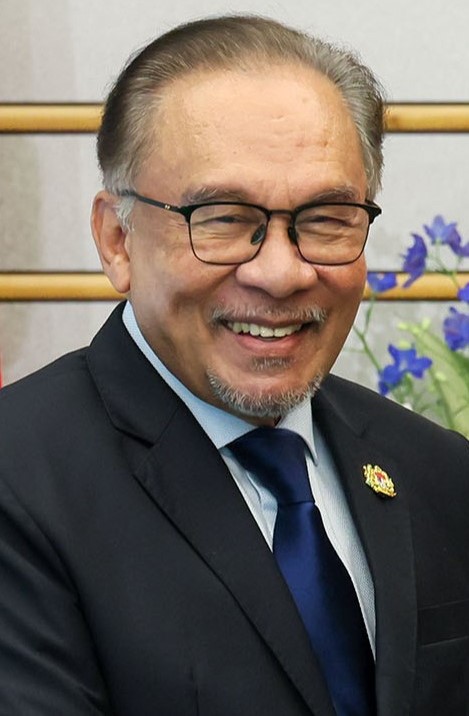
Prime Minister Datuk Seri Anwar Ibrahim has landed in Kazan to lead high-level diplomatic discussions aimed at strengthening ties between the Association of Southeast Asian Nations and Russia. The two-day working visit represents a significant opportunity for Malaysia to reinforce its role as a bridge between major powers while navigating the complexities of regional geopolitics.
The timing of this engagement reflects Malaysia's broader commitment to maintaining balanced diplomatic relations in an increasingly multipolar world. As the regional bloc seeks to preserve its centrality in Asian affairs, coordinating with Russia on matters of mutual concern becomes strategically relevant, particularly given shifting power dynamics in the Indo-Pacific. The Kazan talks are expected to address economic cooperation frameworks, investment opportunities, and aligned positions on regional security issues that affect both Asean and Russian interests.
Malaysia's participation underscores the nation's diplomatic activism under Anwar's leadership. Over the past year, the Prime Minister has been instrumental in positioning Malaysia as a neutral venue for dialogue between competing powers, seeking to insulate Southeast Asia from becoming collateral damage in broader geopolitical rivalries. By engaging constructively with Russia while maintaining established partnerships with Western nations and China, Malaysia demonstrates the delicate balancing act that Asean members must perform to protect their strategic autonomy.
The discussions in Kazan will likely emphasise economic dimensions, as both Asean and Russia seek to expand trade and investment links beyond traditional energy sectors. Russian interest in Southeast Asian markets has grown notably, particularly in technology, infrastructure, and resource development. For Malaysia specifically, enhanced economic cooperation could open avenues in petrochemicals, telecommunications, and industrial development, while also providing access to Russian expertise in specific sectors where Moscow holds competitive advantages.
Regional security concerns will undoubtedly feature prominently in the bilateral agenda. The South China Sea remains a critical issue for Asean members, where competing territorial claims and external powers' military activities create ongoing tension. Russia, despite its geographic distance, has expressed interest in maintaining a presence and voice in Southeast Asian security matters. The dialogue provides an opportunity to explain Asean's Code of Conduct negotiations and gauge Russian perspectives on maintaining regional stability without polarising the bloc along ideological lines.
Anwar's visit also signals Malaysia's commitment to the Asean-Russia partnership framework that has evolved over recent decades. This relationship, though less visible in media coverage than Asean ties with Western powers or China, carries strategic significance. Russia's role as a permanent UN Security Council member and its influence in global affairs means that coordinated positions with Asean on international issues carry considerable weight in multilateral forums. Energy security, maritime law, and counterterrorism cooperation represent additional areas where alignment benefits both parties.
The geopolitical context surrounding this visit cannot be overlooked. Global tensions have risen sharply in recent years, with Russia's actions in Ukraine drawing international scrutiny and leading to sanctions regimes that have reshaped global trade patterns. Asean's commitment to non-interference and neutrality means member states must navigate these troubled waters carefully. Malaysia, like most Asean nations, has avoided taking firm positions that would alienate major powers, instead emphasising principles of international law and peaceful resolution of disputes. The Kazan talks reflect this pragmatic approach, seeking engagement without endorsement of any particular power's controversial policies.
For Southeast Asian readers, understanding Malaysia's diplomatic engagement with Russia is essential context for comprehending how the region manages its external relations. Asean's relevance depends significantly on its ability to maintain dialogue with all major powers while resisting pressure to choose sides in emerging blocs. Malaysia's active participation in such engagements demonstrates the nation's belief that inclusive dialogue and economic interdependence remain the best safeguards against conflict and instability in the region.
The two-day format of the visit suggests substance beyond ceremonial proceedings. Working visits typically involve technical discussions at multiple levels, allowing officials to address detailed issues ranging from trade facilitation to security cooperation protocols. The Malaysian delegation is expected to include senior representatives from economic, defence, and foreign policy establishments, indicating the comprehensive nature of the discussions planned.
This engagement also reflects broader Asean strategy of deepening partnerships with Russia as part of its Indo-Pacific outlook. Recent years have seen increased emphasis on enhancing Asean's strategic partnerships beyond traditional Western alliances, recognising that the region's prosperity and security depend on maintaining constructive relationships across the geopolitical spectrum. Kazan represents another step in this direction, reinforcing Asean's agency in shaping its own strategic environment rather than being shaped by external powers.
The outcomes from this visit, likely to be formalised in joint statements or agreed frameworks, will offer insights into where both parties see mutual benefits emerging. Whether focusing on economic opportunities in digitisation and green energy, maritime cooperation, or enhancing people-to-people exchanges, the discussions promise to expand the practical dimensions of Asean-Russia relations. For Malaysia specifically, the visit demonstrates continued commitment to strategic flexibility and active diplomacy as core pillars of national foreign policy.