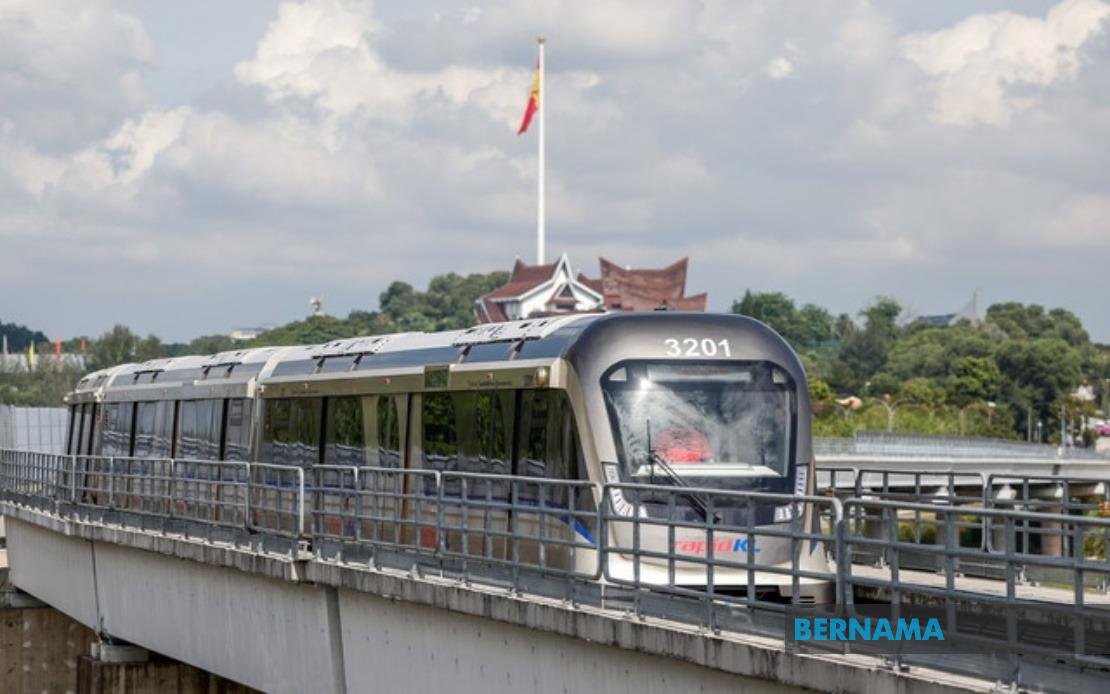
The Light Rail Transit 3 Shah Alam Line, a major infrastructure milestone for the Klang Valley, is set to commence operations following its official inauguration by Prime Minister Datuk Seri Anwar Ibrahim on Sunday, June 28. The 37.8-kilometre transit corridor, which has undergone extensive construction and testing phases, is now prepared to welcome its first passengers after the ceremonial handover. The project represents a significant expansion of Kuala Lumpur's rapid transit network, with the Prime Minister expected to announce the precise commercial opening date and operational hours during the launching event at Shah Alam.
According to Shah Alam line chief Mohd Ariffin Idris, the newly completed route will immediately benefit an estimated two million inhabitants across its service corridor. The line encompasses 20 stations stretching from Bandar Utama in the north to Johan Setia in the south, strategically positioning the transit system to serve densely populated residential and commercial zones throughout Shah Alam and neighbouring Klang. Mohd Ariffin disclosed during a pre-opening media tour that the infrastructure has achieved full operational readiness, following successful completion of all construction and safety protocols required before commencing revenue services.
The station network divides into two distinct clusters. The northern segment includes Bandar Utama, Kayu Ara, BU 11 (Bandar Utama 11), Damansara Idaman, Subang, Glenmarie 2, Kerjaya, Stadium Shah Alam, Dato' Menteri, and UiTM Shah Alam. The southern portion comprises Seksyen 7 Shah Alam, Bandar Baru Klang, Pasar Klang, Jalan Meru, Jambatan Kota, Taman Selatan, Seri Andalas, Klang Jaya, Bandar Bukit Tinggi, and Johan Setia. This comprehensive station spacing reflects careful urban planning to maximise accessibility for commuters across multiple residential and employment centres.
Intermodal connectivity emerges as a central operational feature of the Shah Alam Line's design. Travellers will enjoy seamless transfers to the existing Kajang Line at Bandar Utama station and connections with the Kelana Jaya Line at Glenmarie 2, effectively integrating the new route into the broader metropolitan transit ecosystem. These interchange points will enable passengers to access destinations across the Klang Valley without requiring additional journey segments, enhancing the overall utility of the rapid transit network for commuters with multimodal travel patterns.
Comprehensive last-mile connectivity infrastructure accompanies the new line's launch, addressing a critical challenge facing Malaysian public transport networks. A fleet of 40 feeder buses operating across 13 designated routes with 323 stops will serve passengers at a subsidised fare of RM1 per journey, operating between 6 am and 11.30 pm daily. Additionally, Prasarana Malaysia Berhad operates 44 Rapid On-Demand vans distributed across 20 service zones at RM2 per trip during identical operating hours. Mohd Ariffin noted that both bus and van services will undergo continuous refinement based on actual commuter demand patterns and travel behaviour once the line enters commercial operation, allowing operators to optimise route coverage and frequency.
For motorists choosing park-and-ride facilities, the Shah Alam Line provides 2,300 parking bays distributed across six strategically located stations: Kayu Ara, Damansara Idaman, Pasar Besar Klang, Sri Andalas, Bandar Bukit Tinggi, and Johan Setia. This parking provision recognises that many commuters will continue driving to transit access points, particularly in suburban areas where residential density remains below levels that support walking and cycling infrastructure. The distribution of parking facilities across multiple stations encourages more balanced system utilisation rather than concentrating demand at single high-capacity hubs.
Passenger demand projections indicate substantial ridership growth, with Prasarana targeting 67,000 daily passengers during the initial operational year, escalating to approximately 117,708 daily commuters within five years. These conservative estimates reflect typical rapid transit adoption patterns in Southeast Asian cities, where service quality and frequency gradually build public confidence in rail-based alternatives to private vehicles. Achievement of these growth targets will substantially reduce traffic congestion on parallel road corridors while generating farebox revenues supporting system sustainability.
Environmental sustainability constitutes an integral design principle throughout the Shah Alam Line infrastructure. Light rail vehicles incorporate inverter-based air conditioning systems that substantially reduce electrical consumption compared to conventional mechanical cooling, addressing the tropical climate challenge while minimising operational costs. Station buildings employ sophisticated passive design strategies, incorporating natural ventilation pathways and maximised daylighting to substantially decrease dependence on mechanical heating and cooling systems. These architectural and engineering interventions reflect growing recognition within Malaysia's transit sector that environmental performance and operational efficiency are inseparable objectives.
Accessibility provisions demonstrate strong commitment to inclusive urban mobility. Every station incorporates wheelchair-accessible ramps, disability-compliant toilet facilities, and dedicated seating reserved for passengers with mobility impairments integrated throughout carriage interiors. These features ensure that elderly residents, persons with disabilities, and parents with young children can utilise the transit system without encountering environmental barriers. The systematic incorporation of universal design principles represents a departure from earlier Malaysian transport infrastructure frequently criticised for inadequate accessibility considerations.
Future expansion of the Shah Alam Line will proceed through reconstruction of five additional stations currently designated for enhancement. Mohd Ariffin indicated that Prasarana intends to commence reconstruction work at Tropicana, Raja Muda, Temasya, Bukit Raja, and Bandar Botanik stations by the final quarter of 2024. This phased development approach allows the operator to learn from initial Shah Alam Line performance while systematically extending coverage to additional population centres within the metropolitan region. These supplementary stations will further enhance the line's role in connecting outer suburban communities to employment and commercial destinations throughout the Klang Valley conurbation.

