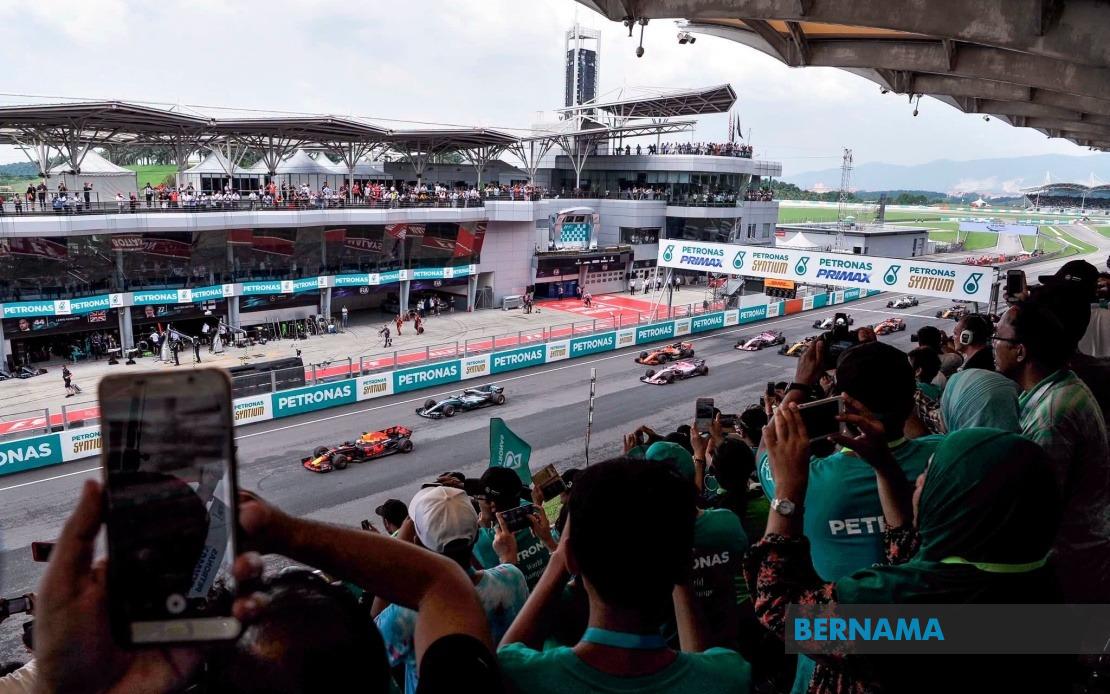
Prime Minister Datuk Seri Anwar Ibrahim has opened the door for ordinary Malaysians to experience Formula 1 racing at an unprecedented price point, announcing special MADANI Tickets for the upcoming Bahrain Grand Prix at Sepang International Circuit. The tickets, exclusively available to MyKad holders, will start from just RM200 and provide access to all three days of the international motorsport spectacle scheduled for early October next year.
The initiative represents a significant departure from the premium pricing that typically characterises Formula 1 attendance globally. By positioning tickets at such an accessible level, the government is attempting to democratise what has traditionally been an elite sporting experience, recognising that price barriers have historically kept many Malaysians from attending world-class racing events in their own country. The MADANI branding—derived from the government's Malaysia Madani policy framework emphasising prosperity for all—underscores the social inclusion objectives behind this move.
According to Anwar's announcement on social media, the government finalised this pricing structure following weeks of deliberation and ultimately secured agreement from Bahrain authorities. This diplomatic coordination reflects the complex arrangements required to host a Formula 1 race, particularly given the geopolitical sensitivities surrounding the original timing of the Bahrain event. The cooperation between Malaysia and Bahrain demonstrates how international sporting partnerships can navigate regional challenges through sustained negotiation and mutual understanding.
The Bahrain Grand Prix's relocation to Sepang marks a dramatic reversal for Malaysian motorsport. Originally slated for the Bahrain International Circuit in April 2026, the race was postponed to October following escalating tensions in West Asia, forcing organisers to seek alternative venues. Sepang International Circuit emerged as the ideal host, leveraging its world-class facilities and established infrastructure to accommodate one of motorsport's most prestigious events on short notice.
This grand prix arrival holds particular significance given Malaysia's fraught relationship with Formula 1 hosting. The Sepang circuit previously hosted the Malaysian Grand Prix annually from 1999 through 2017, establishing itself as a major date on the F1 calendar and generating substantial economic activity throughout the Klang Valley. However, the race eventually disappeared from the schedule as escalating hosting costs and licensing fees became unsustainable for the government, a financial burden many Southeast Asian nations have struggled to justify to their publics.
The return of Formula 1 to Malaysian shores, even under the Bahrain banner, therefore represents something of a rehabilitation for the country's motorsport aspirations. Rather than committing to the prohibitive annual expenditure required for a dedicated Malaysian Grand Prix, hosting the Bahrain event provides a more manageable path to retaining F1 status and hosting international racing fans. The RM200 ticket pricing simultaneously addresses the core problem that prevented local fans from meaningfully engaging with previous Malaysian GP events—the sheer cost of attendance.
For Malaysian motorsport enthusiasts, this represents an extraordinary opportunity. Authentic Formula 1 experiences at such accessible prices are virtually nonexistent globally. Typical F1 general admission tickets internationally range from several hundred to over a thousand ringgit depending on venue and seating location, while premium hospitality packages command substantially more. The MADANI pricing therefore positions Sepang as an exceptionally affordable entry point into world championship racing.
The announcement has triggered anticipation about implementation details, with Sepang International Circuit expected to release comprehensive information regarding ticket categories, seat allocations, and the booking process in coming weeks. Industry observers are particularly curious about whether different pricing tiers will emerge within the RM200 starting price, and whether capacity constraints will necessitate a ballot system given the likely surge in demand from Malaysian fans eager to access such competitive pricing.
Beyond immediate ticketing logistics, this development carries broader implications for Malaysia's positioning within global sports tourism. The ability to host premier international sporting events at world standards, while simultaneously ensuring local accessibility, enhances the country's appeal as a venue for major competitions. It signals to international federations and event organisers that Malaysia can deliver both logistical excellence and inclusive public engagement—a combination that distinguishes leading host nations.
The financial impact on the local economy could prove substantial. Three days of Formula 1 activity at Sepang will generate significant revenue through accommodation, dining, retail, and transportation, particularly as international visitors converge on Kuala Lumpur and Selangor. The availability of affordable tickets for Malaysian residents will amplify domestic economic participation beyond typical high-wealth categories, multiplying spending across hospitality and ancillary sectors.
However, logistical challenges will inevitably emerge. Managing crowd flows for a three-day Formula 1 event accommodating tens of thousands of budget-conscious attendees requires meticulous planning around parking, public transport, food service, and security. Sepang and surrounding authorities will need to coordinate extensive preparations to ensure the event enhances rather than strains local infrastructure capacity. The success of this inaugural MADANI-priced F1 experience will establish a template for future large-scale international sporting events in Malaysia.

