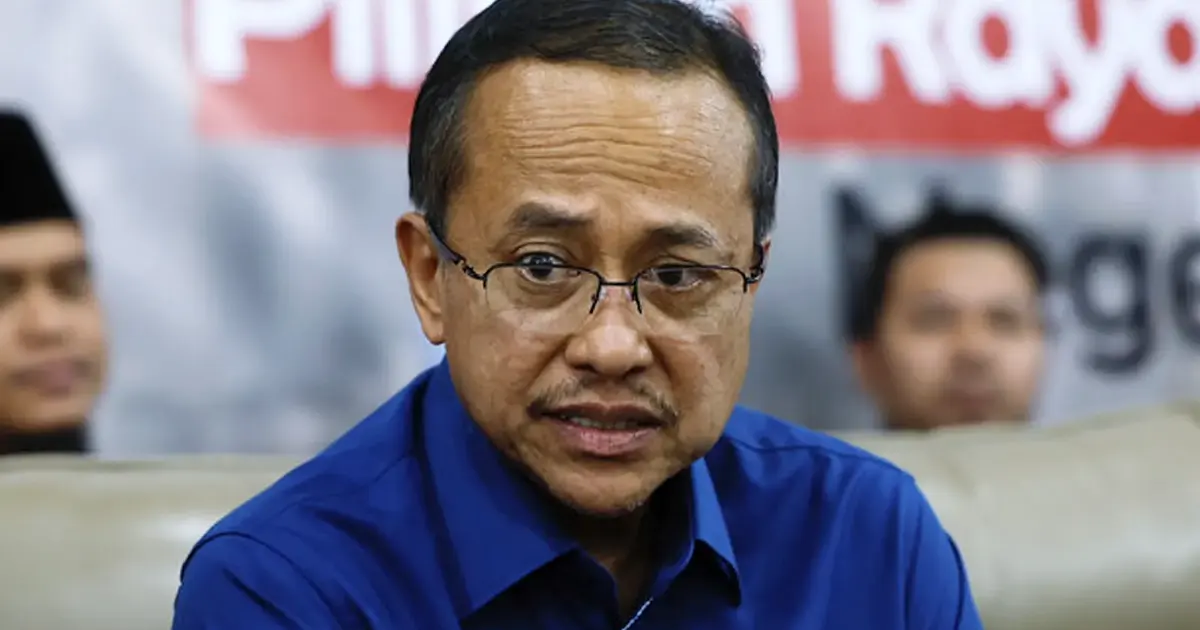
Perikatan Nasional chairman Samsuri has moved to dispel concerns over potential confusion arising from both PAS and Bersatu deploying the same coalition logo on their ballot papers, stating that the arrangement poses no practical electoral difficulty given the parties' non-overlapping candidate placements across constituencies.
The reassurance from the coalition leadership reflects broader coordination efforts within Perikatan Nasional ahead of upcoming electoral contests. By allowing multiple member parties to utilise the shared logo while maintaining geographical separation in their candidacies, the coalition presents a unified political identity while preserving each component party's distinct electoral presence. This dual-branding approach has become increasingly common in Malaysia's multi-party landscape, where coalition members seek to benefit from collective brand recognition without sacrificing individual party visibility.
The decision to permit PAS and Bersatu simultaneous logo usage underscores the pragmatic compromises that holding complex political coalitions demands. Rather than restricting the PN emblem to a single member party, which could breed resentment or weaken perceived unity, Perikatan Nasional has adopted an inclusive approach. This strategy mirrors practices in other established coalitions, where symbolic unity complements rather than diminishes the constituent parties' independence and electoral standing.
For Malaysian voters accustomed to straight fights between two or three candidates in each constituency, the presence of multiple candidates sharing the same coalition logo might initially appear perplexing. However, the underlying logic proves sound: since PAS and Bersatu are not mounting competing campaigns within the same electoral divisions, voters in any given constituency will encounter only one PN-aligned candidate, eliminating the practical confusion that would arise if both parties contested the same seat under the same banner. This compartmentalisation ensures clarity at the grassroots level where voting actually occurs.
The coalition's approach also reflects lessons learned from Malaysia's electoral history. Previous experiences with coalition governance have demonstrated that rigid hierarchies or monopolistic arrangements over shared symbols can provoke grievances among smaller partners. By adopting a more flexible framework, Perikatan Nasional appears intent on maintaining cohesion among its constituent parties while allowing each to maximise its electoral outreach through association with the broader coalition brand.
Both PAS and Bersatu bring substantial voter constituencies to Perikatan Nasional. PAS commands deep support in rural Malay-Muslim communities, particularly across the northern and east coast states, while Bersatu possesses organisational machinery and former government credentials that appeal to different demographic segments. Allowing both parties to contest under the PN logo simultaneously leverages these distinct electoral bases without forcing artificial competition between them.
The arrangement also serves a strategic purpose in managing expectations about seat allocation within the coalition. Rather than creating zero-sum contests between PN's component parties, the geographical division of candidacies enables both PAS and Bersatu to field representative numbers of contenders without cannibalising each other's voter bases. This approach reduces inter-party friction during the critical pre-election phase when coalition unity matters most.
Samsuri's clarification comes at a moment when coalition politics in Malaysia demands exceptional clarity. Voters increasingly question the coherence of multi-party arrangements, particularly when symbols and branding appear to blur individual party identities. The PN chairman's statement attempts to address these legitimate concerns by explaining the underlying logic: that organisational separation of candidacies renders the shared logo arrangement both sensible and manageable from an electoral standpoint.
For regional observers watching Malaysian coalition dynamics, this development illustrates how established democratic systems adapt to accommodate multiple competing parties within unified frameworks. The PN arrangement represents neither entirely new nor uncommon within comparative Southeast Asian politics, yet its specific implementation reveals something about current Malaysian political culture's balance between unity and pluralism.
The statement from coalition leadership should reduce friction among party grassroots who might otherwise worry that their party's logo presence would be diluted or confused with coalition partners. Clear communication from the top prevents rumours and speculation that could undermine campaign morale at ground level, where volunteers and party workers drive electoral machinery.
Going forward, the success of this logo-sharing arrangement will depend partly on disciplined execution by both PAS and Bersatu at constituency level. Campaign materials, public statements, and party identification must consistently reinforce voters' understanding that while these parties carry the same coalition symbol, each occupies distinct electoral territory. This requires coordination without centralised micromanagement—a delicate balance in Malaysian party politics.
The coalition's arrangement also carries implications for post-election outcomes. Should Perikatan Nasional perform strongly, the shared logo branding creates flexibility in determining governmental roles and ministerial portfolios. Neither party can claim exclusive credit for electoral success, potentially facilitating more generous power-sharing negotiations than might occur if candidates competed directly under separate logos.

