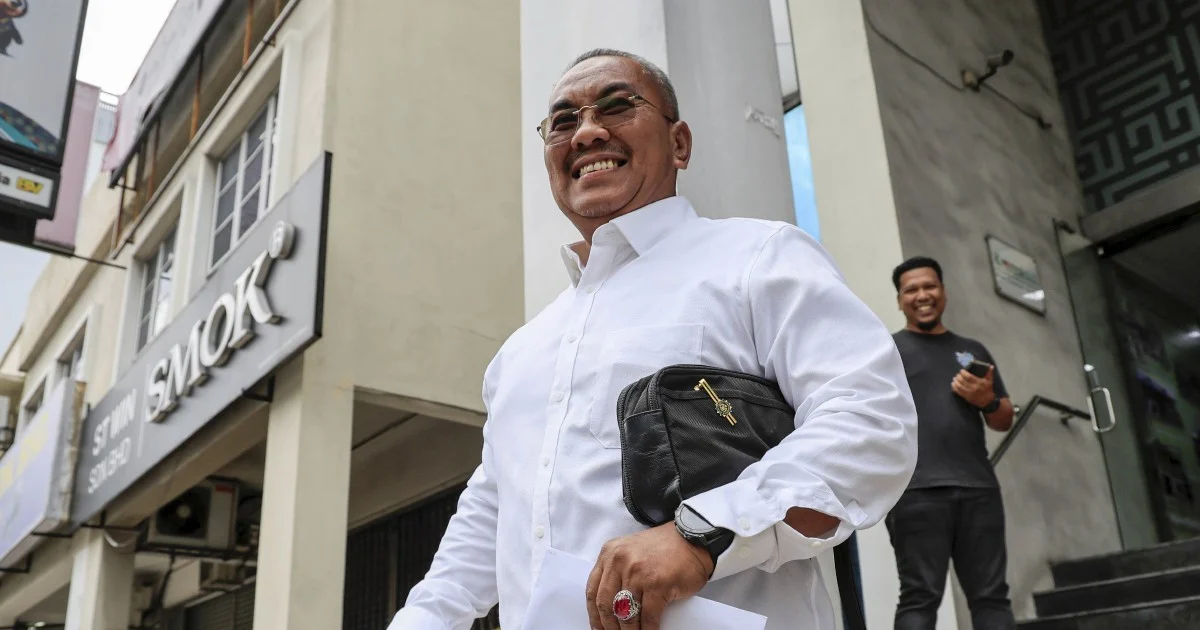
Perikatan Nasional's internal negotiations over constituency allocation for the Johor state election have reached a conclusion, according to coalition election director Datuk Seri Sanusi Md Nor, who announced that the 34 overlapping seats that had previously created tension among partner parties have now been fully resolved. The announcement marks a significant milestone for the opposition coalition as it prepares its unified campaign machinery ahead of voting day.
The resolution of these overlapping seats—where multiple coalition members had staked claims to the same constituencies—removes a major obstacle that could have derailed PN's electoral strategy in Johor. Such disputes within opposition coalitions have historically weakened their competitive position against the ruling Barisan Nasional machinery, which typically benefits from organisational coordination and internal party discipline. By clearing this hurdle early, PN demonstrates greater internal cohesion than some observers had anticipated, particularly given the coalition's historically fractious dynamics.
The significance of finalising seat allocations lies in the practical advantages it confers during the campaign period. When candidates know their constituencies definitively, they can begin grassroots organising, establish campaign headquarters, and build voter databases without the uncertainty that plagues coalitions still haggling over nominations. This operational clarity becomes especially critical in state elections, where individual constituency battles often determine the overall outcome more directly than in federal contests.
Johor represents strategically important terrain for PN's political ambitions across Malaysia. As the nation's second-largest state by population and a traditional stronghold of the Barisan Nasional-dominated Malaysian political establishment, gaining substantial representation here would signal that the opposition coalition has successfully expanded beyond its traditional support bases. The state's mixed demographics—encompassing urban centres like Johor Bahru, industrial zones, and rural constituencies—require nuanced campaign strategies that can only be executed effectively with clear candidate assignments.
The coalition structure underlying PN includes Umno, PAS, and several smaller parties, each bringing distinct organisational strengths and geographic bases. Umno's traditional machinery in rural constituencies, PAS's networks among religiously-minded voters, and other partners' localised influence can theoretically be deployed synergistically when seat allocations reflect pragmatic geography. The finalisation announced by Sanusi suggests that party leaders have successfully navigated the tension between rewarding incumbent MPs, promoting fresh talent, and acknowledging each member party's electoral ambitions.
For Malaysian electoral politics broadly, the resolution carries implications beyond Johor itself. State elections serve as bellwethers for federal dynamics, and parties closely monitor these contests to recalibrate their positioning ahead of potential general elections. A well-coordinated PN performance in Johor would strengthen the coalition's internal morale and investor confidence among potential defectors from other political vehicles. Conversely, any post-election recriminations over seat allocation could undermine coalition cohesion before subsequent contests.
The process of resolving overlapping seats typically involves intensive negotiations between party presidents, electoral strategists, and incumbent representatives. Compromises often require sitting assemblypersons to voluntarily step aside for stronger candidates elsewhere, persuading ambitious politicians to accept less winnable seats, or rotating contested constituencies among coalition members across multiple electoral cycles. These negotiations demand significant political capital and require senior leaders to invest considerable time in shuttle diplomacy.
Johor's electoral history provides context for understanding why PN views this state as valuable contested territory. While not currently a PN stronghold, the state has seen growing electoral competitiveness over the past decade, with shifting voter demographics and changing political alignments creating opportunities for opposition coalitions willing to invest campaign resources. An effective performance here could establish a foundation for future campaigns and demonstrate PN's capacity to contest in territories beyond its existing traditional support zones.
With seat allocations finalised, PN's campaign committees can now transition from internal negotiations to external voter engagement. Campaign narratives, policy messaging, and leadership positioning can be refined with the confidence that internal structural issues have been resolved. The coalition's component parties can simultaneously pursue local and coalition-wide campaigns, allowing individual parties to emphasise their particular appeals whilst benefiting from PN's broader campaign infrastructure and messaging coherence.
The next critical phase involves translating this organisational advantage into actual electoral performance. Internal party discipline means little without compelling campaign messages that resonate with Johor voters. PN will need to articulate why their governance model differs substantively from incumbent alternatives, particularly in addressing the state-specific concerns that motivate voting decisions in local contests. Issues ranging from economic development priorities to education policy to administrative efficiency will feature prominently as the coalition makes its case to voters.
Sanusi's announcement effectively signals to PN supporters and observers that the coalition has moved beyond the internal friction that occasionally characterises opposition politics in Malaysia. Whether this organisational readiness translates into improved electoral performance ultimately depends on external factors including campaign execution quality, opposition performance in other states, and broader shifts in voter sentiment. Nevertheless, completing seat negotiations without major public controversies represents a genuine achievement for a coalition that has faced scepticism about its internal stability.

