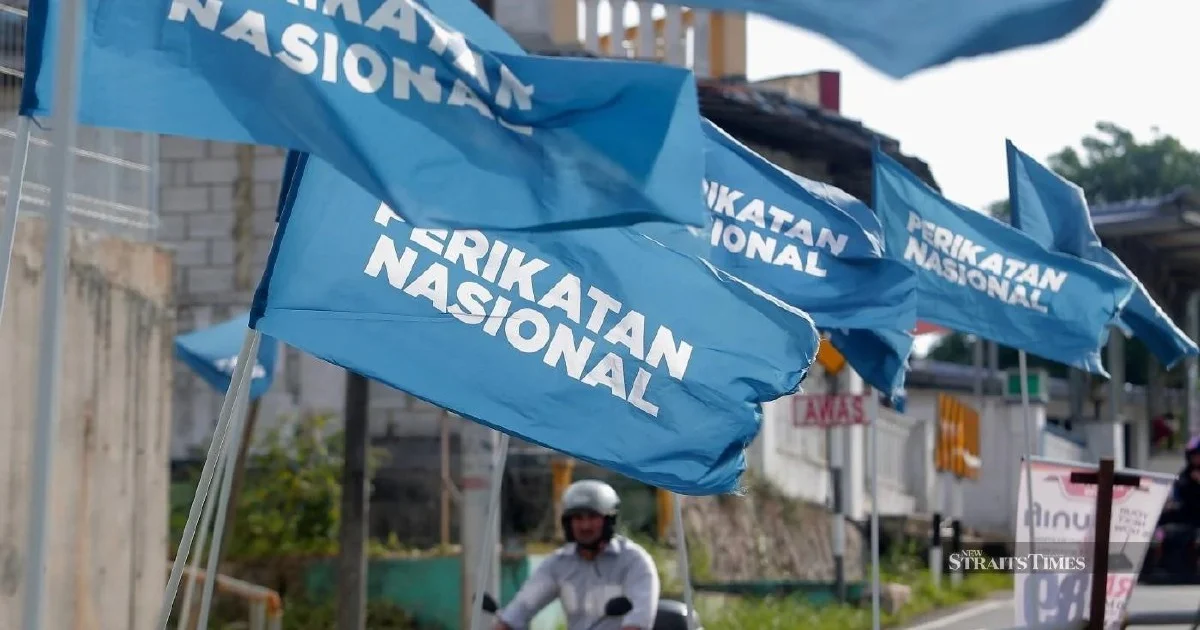
Perikatan Nasional has moved swiftly to counter a wave of online speculation that the coalition intends to withdraw from the forthcoming Johor state election, with deputy chairman P. Punithan publicly dismissing the assertions as baseless fiction designed to sow confusion ahead of a crucial electoral contest in one of Malaysia's most politically significant states.
The false narrative, which circulated rapidly across social media platforms, suggested that PN would abstain from fielding candidates in Johor, effectively ceding the political arena to competing coalitions. Such a move would represent a dramatic strategic shift for a coalition that has positioned itself as a viable alternative to Pakatan Harapan and seeks to expand its footprint beyond its traditional strongholds in Peninsular Malaysia. The speed with which such misinformation propagates underscores the ongoing challenge of political disinformation in the Malaysian electoral landscape, where unverified claims can gain traction and influence public perception before fact-checkers intervene.
Punithan's forceful rebuttal serves multiple purposes within PN's broader political strategy. By immediately addressing the rumours, the coalition seeks to reassure its supporters, grassroots organisers, and potential candidates that the party remains committed to competitive participation in the state. This becomes particularly important for maintaining party morale and volunteer engagement during what is typically an intensive mobilisation period preceding state elections. The swift response also prevents the false claim from becoming accepted narrative truth among voters who may not have followed subsequent clarifications.
The timing of such misinformation is noteworthy given the significance of Johor in Malaysia's political architecture. The state has served as a stronghold for both the federal ruling coalition and, historically, opposition forces. Any decision by a major political coalition to withdraw from contesting there would carry implications far beyond the state borders, signalling weakness, strategic retreat, or behind-the-scenes political realignment that could reshape the broader peninsular political landscape. This makes the false claim particularly potent as a rumour precisely because it touches on anxieties about coalitional stability and electoral viability.
Fake statements and misinformation targeting political parties have become an increasingly common feature of Malaysian politics. The ability to fabricate official-sounding declarations and distribute them through encrypted messaging groups and social media platforms creates an environment where voters and even party members must exercise heightened skepticism. Such tactics serve various interests—from opposition parties seeking to embarrass rivals, to independent actors testing information warfare techniques, to genuine confusion arising from miscommunication or old information recycled as current. PN's experience reflects a broader vulnerability affecting all significant Malaysian political actors.
The coalition's denial also occurs against the backdrop of ongoing discussions about electoral schedules and state-level politics across Malaysia. Johor, as a state commanding significant economic weight and demographic resources, represents a valuable prize in any coalition's electoral calculus. Whether through merger discussions, seat-sharing agreements, or independent candidacies, political alignment in Johor tends to receive intense scrutiny from political analysts and party strategists alike. This high level of attention creates fertile ground for speculation and rumour-mongering about possible political manoeuvres.
For PN specifically, maintaining a credible threat to contest across major state elections remains essential to its narrative as a resurgent force in Malaysian politics. The coalition, which achieved significant electoral gains in the 2022 general election and has governed several states, depends on projecting an image of expanding influence and organisational strength. Withdrawal from any major state would undermine these claims and potentially trigger broader questions about the coalition's sustainability and leadership direction. Punithan's clarification thus represents necessary damage control in the competitive marketplace of political perception.
The incident also highlights the vulnerability of political institutions and media consumers to coordinated disinformation campaigns. In an environment where creating and disseminating fake statements has become technically simple and relatively consequence-free, political parties must invest in rapid response capabilities and public communication strategies. PN's immediate reaction suggests an awareness of these challenges, though the underlying problem of fake statements persists as an ongoing threat to democratic discourse.
Beyond the immediate denial, this episode raises questions about information verification and media literacy among Malaysian voters. When viral claims spread before official clarification reaches audiences, false narratives can become temporarily embedded in public consciousness. Even after authoritative denials, some segments of the population may retain residual doubt or continue sharing the original misinformation, particularly if it aligns with their pre-existing political suspicions. This dynamic complicates efforts by political parties to control their public messaging and narrative.
Looking forward, the Johor election will likely proceed with PN as an active participant, pending Punithan's clarification and any subsequent announcements regarding candidate selection and campaign strategy. The coalition's need to vigorously deny withdrawal suggestions underscores how seriously it takes representation in this strategically important state. For Malaysian voters and observers, this episode serves as a reminder to approach viral political claims with appropriate skepticism and to seek confirmation from official party sources before accepting assertions about major political decisions.

