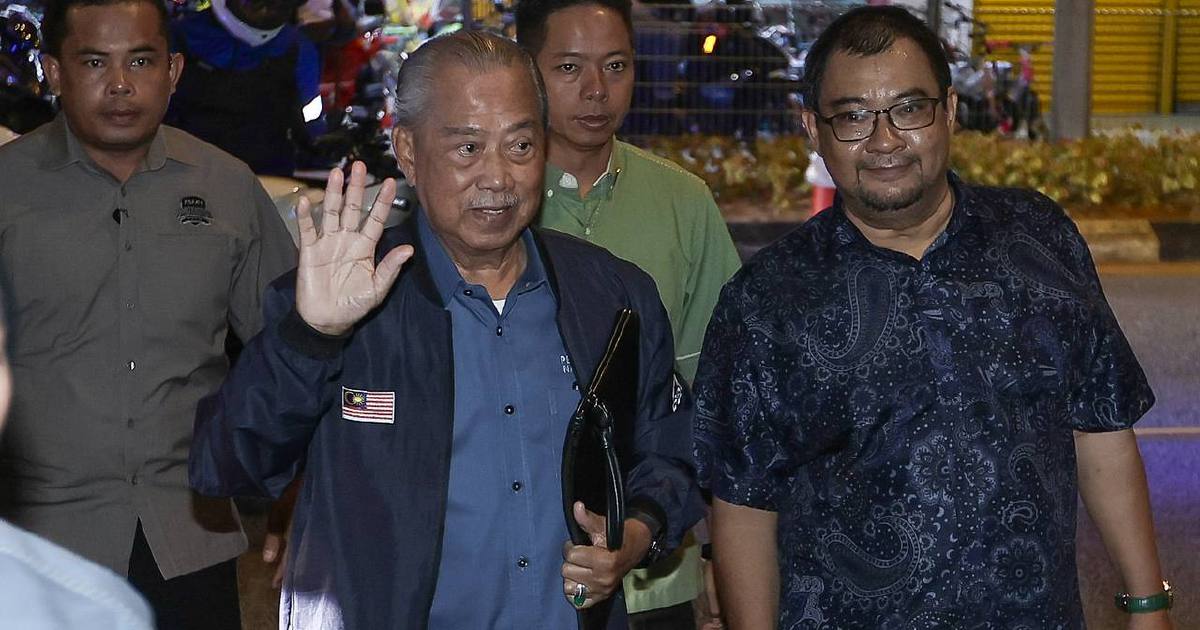
The Perikatan Nasional coalition held an emergency Supreme Council gathering in Kuala Lumpur this week that addressed various coalition-related issues while notably avoiding any substantive discussion about Bersatu's standing within the opposition alliance, according to coalition leadership. The carefully calibrated agenda suggests careful management of internal tensions within the increasingly fractious political bloc that has become a central force in Malaysian opposition politics.
The meeting's primary focus encompassed broader coalition matters and the prospect of welcoming additional political partners into PN's fold. This forward-looking approach indicates that the coalition is actively exploring ways to strengthen its political footprint ahead of potential electoral contests. However, the deliberate exclusion of Bersatu-related matters from the agenda signals an unwillingness to directly confront internal contradictions that have periodically surfaced within the partnership.
Bersatu's position within the opposition landscape has grown increasingly complicated in recent years. The party, originally formed as a breakaway faction before becoming a coalition anchor, represents a significant political bloc within PN. The decision to avoid discussing its status during an emergency Supreme Council meeting underscores the delicate political calculations that coalition leaders must navigate, particularly when managing relationships between party heavyweights with divergent ambitions and strategic visions.
The timing of the emergency session itself warrants examination. Emergency Supreme Council meetings are typically convened to address urgent developments that threaten coalition stability or require rapid collective decision-making. The choice to focus on membership expansion while sidestepping Bersatu's position suggests that internal disagreements about the party's role may be sufficiently contentious to warrant postponement, allowing coalition leadership additional time to forge consensus before any formal deliberation.
For Malaysian political observers, this pattern reflects broader dynamics within opposition alliances since 2018. The PN coalition has continuously grappled with balancing the interests of multiple political parties while maintaining cohesive messaging and strategy. Bersatu's particular situation—as a party that has simultaneously pursued government participation while remaining within opposition structures—creates unique complications that may have prompted the meeting's organisers to deprioritise this sensitive matter.
The expansion of PN membership carries significant implications for the coalition's competitive positioning. New political partners could strengthen PN's parliamentary representation, extend geographic reach, and diversify its appeal across different voter constituencies. However, rapid expansion also risks diluting internal unity and creating competing power centres that complicate decision-making processes. The coalition's willingness to actively pursue new members while addressing other organisational matters suggests confidence in its foundational stability despite unresolved questions about individual party positions.
Within Malaysia's complex political architecture, opposition coalitions serve as crucial counterweights to governmental power structures. The PN alliance represents one of the country's most organised opposition blocs, with significant parliamentary representation and established party structures. Decisions made within PN's leadership bodies consequently ripple across the broader political landscape, affecting not only internal coalition dynamics but also the calculus of other political entities considering strategic partnerships.
Bersatu's relationship with PN has previously generated public controversy and internal discussion. The party's leaders have made various statements regarding their electoral strategy, government involvement possibilities, and coalition loyalty. The decision to exclude formal discussion of Bersatu's status during an emergency meeting may therefore represent a tactical choice to avoid reopening contentious debates before adequate groundwork for consensus-building has occurred.
The coalition's emphasis on potential new membership expansion simultaneously suggests confidence in PN's institutional capacity to absorb and integrate additional political partners. This strategic orientation indicates that PN leadership perceives growth opportunities within the opposition political space, potentially reflecting confidence that disaffected voters or political actors may be receptive to PN's political messaging and policy platforms. Such expansion efforts require careful coordination and vetting to ensure compatibility between existing members and prospective partners.
Looking forward, the deliberate compartmentalisation of agenda items at this emergency Supreme Council meeting may set a pattern for how PN handles sensitive internal matters. By addressing coalition-wide concerns while deferring Bersatu-specific discussions, PN leadership may be attempting to maintain forward momentum on coalition-building while buying time to address more contentious issues through separate channels or behind-the-scenes negotiations.
The broader political context amplifies the significance of this meeting and its conclusions. Malaysian electoral competition continues to intensify, with opposition coalitions competing against government structures and alternative political blocs for voter support and parliamentary seats. PN's success in these contests depends substantially on maintaining sufficient internal cohesion while pursuing growth that strengthens electoral competitiveness. The balance struck at this emergency session—advancing coalition expansion while deeferring internal party position discussions—reflects the complex political calculus required to maintain fragile alliances in contemporary Malaysian politics.
As PN moves forward with coalition-building efforts and strategic planning, questions about individual party positions including Bersatu's role will likely resurface for formal deliberation. The decision to postpone such discussions during the emergency meeting provides leadership with additional time to consult with relevant stakeholders and develop approaches that might gain broader coalition acceptance. Whether this deferral strategy ultimately strengthens or weakens PN's internal cohesion will become apparent as the coalition navigates upcoming political developments and electoral contests.

