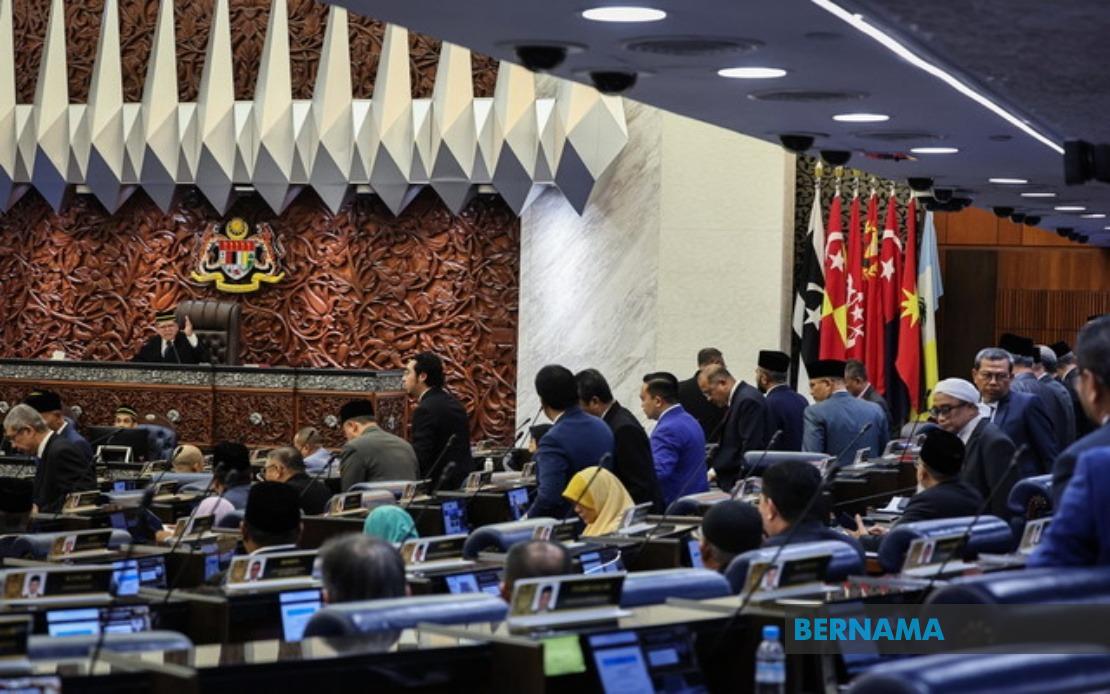
Opposition Leader Datuk Seri Hamzah Zainudin orchestrated a parliamentary boycott on August 11 as Perikatan Nasional members walked out of the Dewan Rakyat to avoid participating in a scheduled debate on the Tabung Haji (TH) Royal Commission of Inquiry report. The coordinated departure underscored growing tensions surrounding the government's handling of the pilgrim fund's governance failings and signalled PN's strategic resistance to proceedings conducted under circumstances they deemed inappropriate.
The walkout involved senior PN figures alongside rank-and-file lawmakers. PN Chief Whip Datuk Seri Takiyuddin Hassan and party chairman Datuk Seri Dr Samsuri Mokhtar both departed the chamber, demonstrating the motion's leadership-sanctioned nature. Their involvement indicated this was no spontaneous protest but rather a calculated parliamentary maneuver designed to disrupt government business.
PAS-affiliated PN MPs formed the backbone of the exodus. Datuk Rosol Wahid representing Hulu Terengganu, Bachok's Mohd Syahir Che Sulaiman, Kapar's Dr Halimah Ali, and Rantau Panjang's Datuk Siti Zailah Mohd Yusoff all left their seats. Beyond the Islamist faction, representatives from other PN components also participated. Tasek Gelugor MP Datuk Wan Saifulruddin Wan Jan, Machang's Wan Ahmad Fayhsal Wan Ahmad Kamal, and Beluran's Datuk Seri Dr Ronald Kiandee completed the group of departing lawmakers.
The boycott was not universal across the opposition benches, revealing fissures within PN's coalition. Two Bersatu MPs—Putrajaya's Datuk Dr Radzi Jidin and Langkawi's Datuk Mohd Suhaimi Abdullah—remained in the chamber to observe proceedings. Their decision to stay suggested disagreement with the walkout strategy or recognition that some PN elements preferred maintaining parliamentary visibility over absolute resistance.
Takiyuddin had proposed suspending the special sitting, citing the simultaneous medical absences of Prime Minister Datuk Seri Anwar Ibrahim and Deputy Prime Minister Datuk Seri Fadillah Yusof. This procedural challenge provided the formal justification for the walkout, though the underlying grievance appeared more substantive. By framing the boycott around the PM's health-related unavailability rather than opposition to the inquiry findings themselves, PN attempted to position its stance as constitutional propriety rather than political obstruction.
The special sitting represented a rare parliamentary opportunity for detailed examination of the TH inquiry. Released publicly on July 29, the report emerged following government determination that its contents warranted wider disclosure beyond closed legislative channels. This transparency measure, while nominally commendable, triggered immediate opposition resistance—a response suggesting discomfort with the inquiry's conclusions or the forum's political choreography.
The commission's findings catalogued significant governance deficiencies spanning 2014 through 2020, a period encompassing multiple administrations and PN's time in federal power. The 25 recommendations contained therein bore implications for both past and present stakeholders, potentially explaining PN's reluctance to engage substantively. By August 11, TH had reportedly implemented three-quarters of the suggested reforms, indicating institutional responsiveness to identified weaknesses.
For Malaysian readers, the boycott crystallizes deeper parliamentary dysfunction. The special sitting represented government efforts to demonstrate accountability through legislative scrutiny of a major public institution's management. PN's coordinated departure, while tactically disruptive, signals unwillingness to engage with critical examination of its administrative record. This avoidance strategy frustrates public understanding of TH's difficulties and their origins, denying lawmakers and citizens alike the chance to hear opposition perspectives on remedial measures.
The episode also illuminates fragmentation within Malaysia's fractious coalition politics. A united opposition front remains elusive, with Bersatu's partial participation suggesting alternative interests. Such divisions weaken opposition coherence while complicating parliamentary arithmetic for government business. For the Anwar administration, the walkout proves irritating but not fatal—proceedings continued despite the boycott, ensuring debate proceeded and parliamentary records reflected the exchange.
Broader implications extend to institutional trust. When major political forces resort to walkouts rather than engagement, parliament's deliberative function deteriorates. Malaysian voters increasingly witness procedural obstruction rather than substantive legislative dialogue. The TH inquiry's public release represents transparency progress, yet its debate became merely another casualty of partisan calculation.
Looking forward, the boycott establishes precedent for future parliamentary conflicts. Should government-initiated scrutiny of opposition-era decisions become routine, expect systematic PN resistance. Conversely, should PN regain power, similar examinations of current administration decisions would likely spark government walkouts. Such tit-for-tat dynamics corrode parliamentary norms and public confidence in legislative institutions.
The Tabung Haji debate's truncated examination reflects Malaysia's broader political malaise—competition for electoral advantage routinely supersedes governance concerns. While individual MPs from PN remained present, the strategic departure of leadership effectively neutralized opposition input on fund management reforms. For investors, stakeholders, and pilgrims dependent on TH's integrity, such parliamentary theater proves profoundly frustrating, offering no assurance that institutional weaknesses will receive the sustained oversight democratic systems supposedly guarantee.

