The Royal Malaysian Police has initiated a formal disciplinary investigation into one of its officers following a social media incident that drew widespread public attention. The probe centres on allegations that the officer made derogatory comments directed at local residents while on a trip to China, a matter that has sparked considerable debate within law enforcement circles and among the public regarding professional conduct standards.
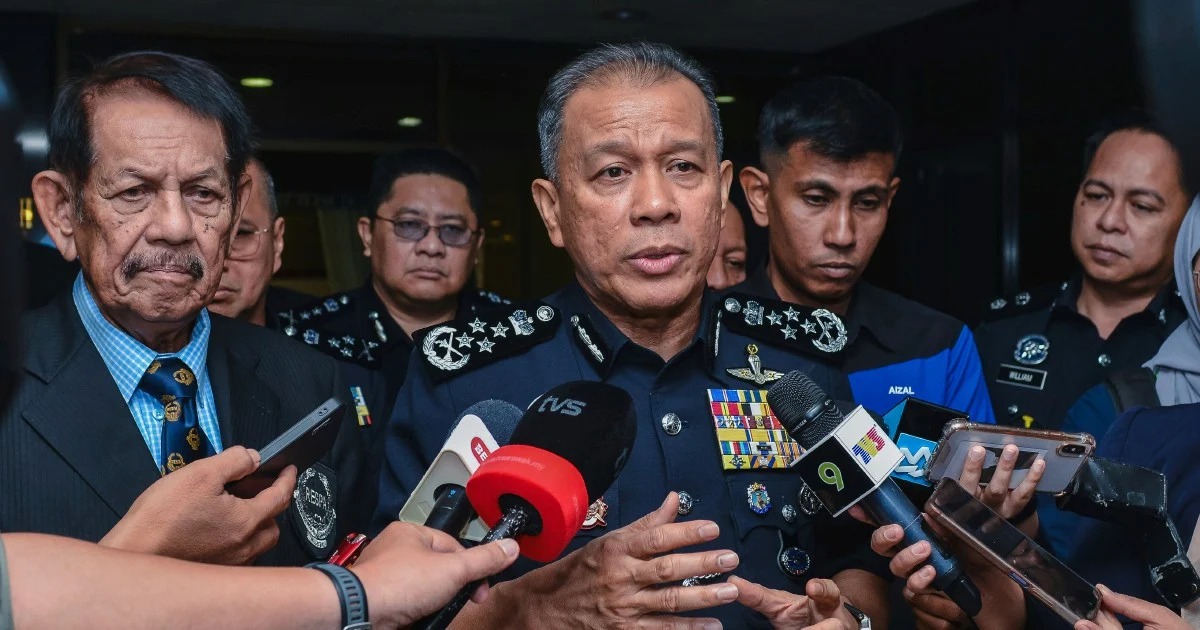
Inspector-General of Police confirmed the commencement of the internal investigation, treating the matter with appropriate gravity given its potential implications for the force's reputation and public relations standing. The emergence of the viral video has placed scrutiny on how police personnel conduct themselves overseas, particularly when representing Malaysia in foreign jurisdictions. Such incidents carry particular weight in Malaysia's diplomatic relations, especially with major trading partners and regional neighbours.
The disciplinary process initiated by the police department will follow established protocols for investigating allegations of misconduct by serving officers. These procedures are designed to ensure thoroughness and fairness while maintaining the integrity of the force. The investigation will likely examine the circumstances surrounding the video's creation, the officer's state of mind at the time, and whether the conduct violated any professional standards or code of conduct applicable to police personnel.
Viral incidents involving uniformed officers present unique challenges for police management. When footage circulates rapidly across social media platforms with limited context, it can rapidly escalate public concern and damage institutional credibility. The police force recognises that officers functioning abroad serve as unofficial ambassadors, and their personal conduct may reflect upon Malaysia's international image and the professionalism of the entire constabulary.
The investigation touches on broader questions about police training and preparation for international assignments. Whether officers deployed or travelling abroad receive adequate briefing on cultural sensitivity, diplomatic protocols, and personal conduct expectations becomes relevant in such circumstances. The incident suggests potential gaps in either training delivery or individual officer judgment, both of which the investigation may examine.
Public reaction to police conduct captured on video has intensified in recent years as smartphones and social media have democratised the recording and dissemination of incidents. Officers now work in an environment where mistakes or lapses in judgment can instantaneously reach millions of viewers, often without supporting context. This reality demands heightened awareness among all police personnel regarding the permanent nature of digital content and its potential consequences.
The disciplinary investigation will determine whether the officer's conduct violated specific regulations governing police behaviour, professional standards, or codes of conduct. Potential outcomes might range from training requirements and formal warnings through to suspension or more serious sanctions, depending on the severity of the findings and existing precedent for comparable cases within the force.
China remains a strategically important nation for Malaysia, with significant economic, security, and people-to-people ties. Any incident involving Malaysian personnel that potentially strains bilateral relations receives careful attention from government authorities beyond just the police force itself. The diplomatic dimensions of this investigation extend beyond standard disciplinary matters into the realm of Malaysia-China relations management.
The case also reflects broader conversations occurring across Southeast Asian police forces regarding overseas conduct standards. Regional police organisations increasingly face situations where their personnel travel internationally for training, conferences, sporting events, and personal purposes, creating numerous opportunities for incidents that could damage institutional reputations. How individual departments address such matters influences regional policing standards and inter-agency relations.
For the Malaysian public, this investigation underscores the principle that police officers remain subject to professional standards and accountability mechanisms regardless of their location. The force's willingness to initiate disciplinary proceedings demonstrates that misconduct allegations receive serious consideration rather than dismissal based on rank, posting, or overseas location. Transparency in how such cases progress helps maintain public confidence in police accountability systems.
The investigation will likely conclude within a defined timeframe, after which outcomes and any consequent actions will become subject to appropriate communication protocols. The approach taken in this case may establish precedent for handling future incidents involving police personnel and viral content, making the investigative process itself significant for police management practices beyond the individual officer involved.
As this matter progresses, both the police force and the broader public will observe how the disciplinary system functions in practice, particularly in high-visibility cases where public scrutiny intensifies pressure on investigators and decision-makers. The balance between protecting the force's reputation and ensuring fair treatment of the accused officer will define the investigation's credibility and the force's commitment to genuine accountability.

