Law enforcement authorities in Johor have unveiled a comprehensive security framework for the upcoming state election, committing nearly 12,000 uniformed and civilian personnel to safeguard the electoral process and maintain public peace throughout the polling period. The scale of the deployment underscores the Malaysian authorities' commitment to ensuring the integrity of state-level democratic exercises, reflecting standard practice for major electoral events across the nation.
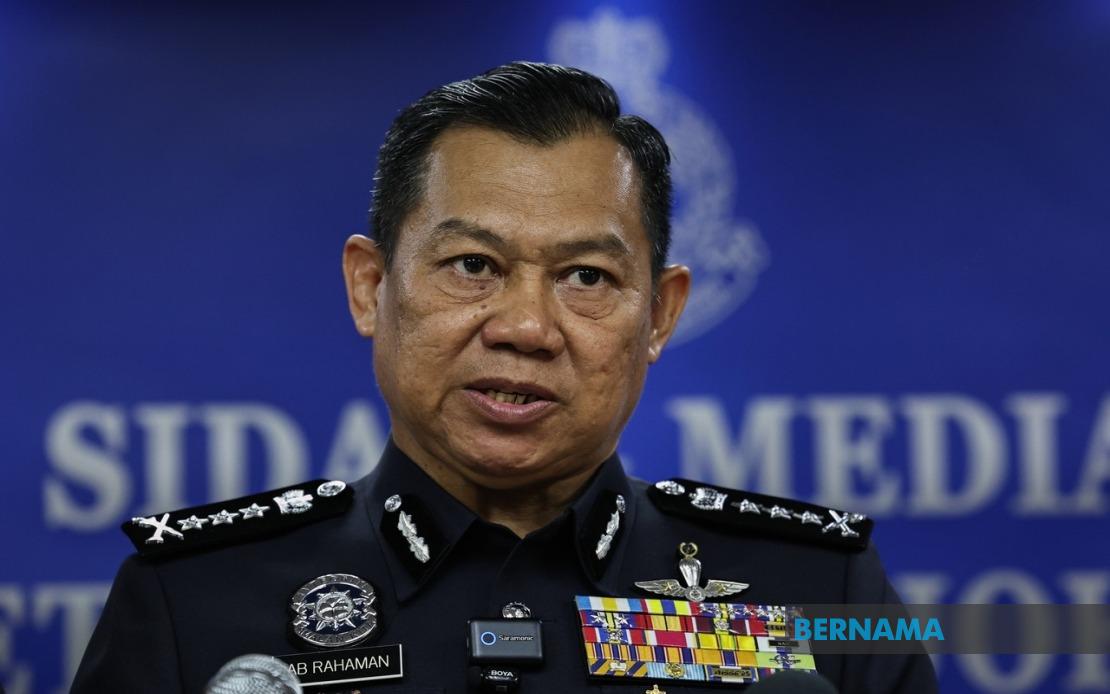
Johor Police Chief Datuk Ab Rahaman Arsad announced the operational strategy at a briefing held at the Johor Police Contingent Headquarters, detailing a phased approach that will adapt in real-time to emerging security requirements. This staged deployment model allows law enforcement to concentrate resources during critical junctures—such as nomination day, campaigning periods, and polling day itself—rather than maintaining uniform coverage throughout. The flexibility embedded in the five-phase framework demonstrates a sophisticated understanding of where security risks typically concentrate during electoral cycles.
The decision to structure the deployment across multiple phases reflects lessons learned from previous elections throughout Malaysia. Each phase corresponds to distinct operational demands, from candidate registration through the final vote count and verification processes. This granular approach means that communities will experience varying police presence depending on local circumstances and assessed risk levels, allowing headquarters to redirect personnel to areas experiencing unexpected difficulties or heightened tensions.
Beyond the core PDRM contingent, the Johor Police leadership has secured supplementary manpower from the Internal Security and Public Order Department, dramatically expanding the available security resources. This additional support encompasses 54 officers and 701 personnel drawn from multiple specialist agencies, including the General Operations Force, the Federal Reserve Unit, the Police Air Unit, and the Marine Police Force. The inclusion of maritime police assets suggests particular concern for securing coastal constituencies or preventing disturbances in waterfront areas, a consideration unique to Johor's geography and demographics.
The General Operations Force contingent brings expertise in crowd control and counter-insurgency operations, traditionally deployed during periods of heightened civil unrest. Their presence at electoral events signals the police hierarchy's determination to manage large gatherings firmly should circumstances demand intervention. The Federal Reserve Unit, trained in emergency response and special operations, similarly represents enhanced capacity for handling situations escalating beyond routine patrol capabilities. These deployments represent a significant mobilisation of specialist resources that would normally remain in reserve for genuine crises.
The inclusion of the PDRM Air Unit points toward intelligence gathering and rapid response capabilities, potentially utilising helicopter surveillance to monitor polling stations and major gathering points. Air assets facilitate quick deployment of personnel to distant locations and provide command staff with real-time situational awareness across multiple constituencies simultaneously. This technological dimension of electoral security demonstrates how Malaysian policing has evolved beyond ground-based presence alone.
Marine Police Force involvement reflects Johor's significance as a state with extensive coastlines and maritime boundaries, particularly relevant given the state's proximity to international waters and cross-border considerations. Securing electoral integrity in coastal areas requires different expertise and resource allocation than inland operations, justifying the specialist input. The coordination between maritime and land-based units suggests intelligence sharing and integrated operational planning at the command level.
For Malaysian voters and political observers, the magnitude of this deployment carries dual implications. The substantial police presence conveys institutional resolve to prevent violence, intimidation, and electoral fraud—concerns that periodically surface during Malaysian electoral cycles. For candidates and campaign teams, the extensive security framework establishes boundaries within which campaigning must occur, with particular relevance for contentious races where tensions run high between rival parties.
The coordination between PDRM and KDNKA units demonstrates how Malaysian security architecture integrates civilian police and paramilitary resources during critical events. This interagency cooperation reflects national security doctrine principles, where multiple institutions contribute specialised capabilities toward common objectives. The transparency with which police leadership disclosed deployment numbers and structure arguably builds public confidence in electoral administration, contrasting with security approaches that operate entirely behind closed doors.
From a Southeast Asian perspective, Malaysia's elaborate electoral security apparatus reflects the sophistication of institutions in the region's more developed democracies. Comparable election security operations occur throughout the Association of Southeast Asian Nations, though deployment scales and structures vary considerably according to local conditions and threat assessments. The Johor election provides a case study in how established democracies balance security imperatives with maintaining the open, participatory character that elections are supposed to embody.
For Johor residents participating in the electoral process, the visible police presence throughout the state will shape their direct experience of voting. Higher security typically correlates with reduced opportunities for grassroots intimidation and fraud, yet simultaneously might create perceptions of heavy-handedness or excessive state control. The five-phase deployment strategy attempts to thread this needle, scaling security intensity to actual necessity rather than maintaining maximum visibility continuously.
The police announcement also signals to political parties the parameters within which campaign activities must occur. Parties anticipating large rallies or demonstrations must factor in significant law enforcement presence into their logistical planning, potentially affecting decision-making about event locations, timing, and participant management. This dynamic between security deployment and campaign strategy operates largely invisibly to ordinary voters but substantially influences how the electoral period actually unfolds on the ground.