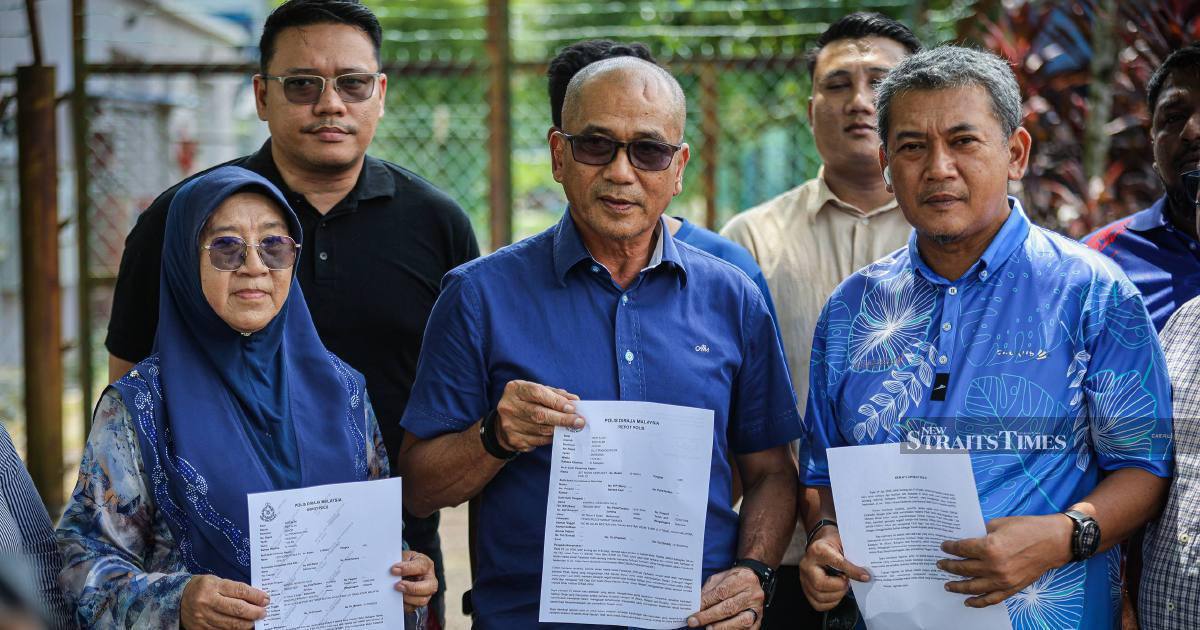
Several Johor Barisan Nasional members have lodged police reports in Johor Baru against former Umno supreme council member Datuk Dr Mohd Puad Zarkashi, responding to controversial remarks he made about the Johor palace and state Umno operations. The move underscores deepening fractures within Umno's Johor branch and signals how sensitive palace-related matters remain in Malaysian politics, particularly in a state with a constitutionally powerful sultanate.
Puad, who previously held significant influence within Umno's national leadership structure, had ventured into accusations regarding what he characterized as direct royal involvement in shaping the direction of state politics and party machinery. His statements triggered swift reactions from party loyalists, who viewed his comments as inappropriate challenges to institutional authority and potentially seditious remarks about the monarchy. The filing of police reports rather than internal party discipline suggests the matter has escalated beyond typical intra-party squabbles into territory that concerns law enforcement.
Johor occupies a unique position within Malaysia's political framework, given the Sultan's constitutional prerogatives and historical influence over state governance. Unlike other states where governance follows more conventional Westminster parliamentary traditions, Johor's system grants the monarchy more explicit involvement in political decision-making processes. This structural reality creates an environment where allegations about palace interference can trigger particularly strong reactions, as they implicitly challenge the legitimacy of royal involvement in politics—a sensitive topic across Malaysia regardless of the state context.
Puad's background as a former supreme council member suggests he possessed insider knowledge of Umno's inner workings and access to senior leadership. His willingness to make public accusations indicates either genuine conviction about the issues he raised or a calculated effort to mobilize support within factions opposing the current Johor Umno leadership. Observers have noted that allegations of palace interference often emerge during periods of significant political turbulence, serving sometimes as proxies for deeper disagreements about power distribution and succession planning within state politics.
The response from Johor BN members demonstrates the protective stance many take toward royal institutions, viewing Puad's remarks as crossing an unwritten boundary in Malaysian political discourse. This protective reaction reflects broader constitutional conventions that generally exempt the monarchy from direct criticism, even when addressing political questions. The decision to involve police rather than settle matters through party mechanisms suggests the complaints center on potential offences under laws protecting royal dignity and against sedition.
Within Umno's national context, the Johor situation reveals ongoing tensions between different power centers. The former supreme council member's willingness to openly challenge what he characterizes as improper palace involvement suggests he retains sufficient political capital to speak publicly without fear of immediate retaliation from party machinery. However, the police reports may effectively constrain his future commentary on these sensitive matters, creating a potential chilling effect on internal criticism within Umno.
For Malaysian observers, this incident highlights persistent questions about governance boundaries between elected officials, party structures, and royal institutions. While constitutionally defined, these boundaries frequently blur in practice, particularly in states where historical traditions grant sultans explicit political roles. Johor's situation raises recurring questions about whether palace involvement in party politics strengthens institutional stability or creates opportunities for behind-the-scenes influence that circumvents democratic accountability mechanisms.
The timing of these police reports occurs amid broader shifts in Malaysian politics, where questions about institutional balance and democratic legitimacy have featured prominently in public discourse. Puad's allegations, regardless of their substantive merit, tap into a vein of concern about transparent governance and the appropriate limits of royal involvement in day-to-day political operations. The swift police response underscores how sensitive this topic remains for authorities protecting monarchical institutions.
Malaysian political analysts have observed that allegations of palace interference typically serve as proxies for deeper disagreements about power distribution. Whether Puad's specific claims withstand scrutiny matters less politically than the fact that someone with his standing felt empowered to make them publicly. This suggests real fault lines exist within Johor Umno regarding leadership direction and decision-making processes. The police reports, paradoxically, may amplify rather than suppress public interest in understanding what exactly triggered such serious institutional reactions.
Looking ahead, the unfolding legal and political consequences for Puad will likely influence whether other Umno figures feel constrained from raising similar concerns about palace-party relationships. The case illustrates how Malaysia's constitutional arrangements, which grant substantial formal power to royal institutions, interact with democratic politics in ways that both constrain and occasionally provoke public criticism. For Johor specifically, these reports signal that questions about institutional boundaries between palace and party remain unresolved and potentially destabilizing for state political cohesion.

