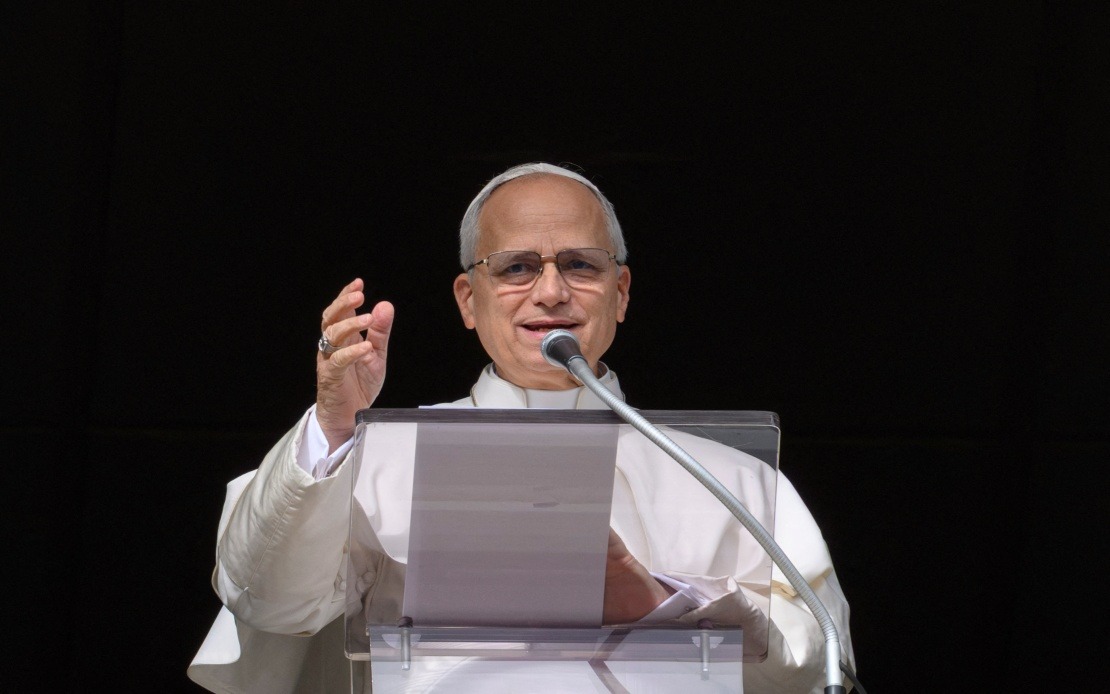
The pontiff issued a significant warning about artificial intelligence during remarks delivered in Athens, emphasizing that the notion of moral neutrality in AI systems represents a dangerous misconception. Pope Leo XIV stressed that every artificial intelligence framework—from the algorithms that drive it to the datasets that train it—inherently embeds value judgments and priorities that unavoidably reflect particular understandings of human beings and the societies they inhabit. This intervention by the religious leader signals growing institutional concern about the trajectory of AI development globally and its profound implications for human dignity.
In social media statements released on Thursday, the Pope articulated a comprehensive critique of how AI systems are frequently discussed and deployed. Rather than treating these tools as neutral instruments available for any purpose, he insisted that they carry within them fundamental choices about what matters, who benefits, and what vision of human flourishing they advance. The pontiff's argument challenges the prevalent assumption among technologists and policymakers that questions of values can be separated from questions of technical implementation. This framing rejects the false dichotomy between what engineers often describe as "neutral" technical choices and supposedly separate ethical considerations applied afterward.
The Pope extended his analysis beyond surface-level concerns about how AI outputs are used, directing attention instead to the deeper architecture of these systems. He emphasized that meaningful ethical examination must interrogate the source data feeding AI models, the design philosophies underlying their construction, and the embedded assumptions about human nature and social organization. This layered approach recognizes that bias and value-laden choices penetrate every stage of AI development—from which phenomena researchers choose to measure, through which populations they study, to how they define success and failure. The upstream focus on design and data selection represents a more fundamental intervention point than post-hoc regulation of how systems are deployed.
For Southeast Asia and Malaysia specifically, this papal intervention carries particular relevance as regional governments and corporations increasingly invest in AI infrastructure and applications. Nations in the region are developing AI strategies for everything from governance and finance to healthcare and education, often importing systems designed in Western or Chinese contexts that embed assumptions potentially misaligned with local values and social structures. The Pope's warning suggests that Malaysian institutions adopting AI tools should scrutinize not merely whether a system works efficiently, but whether its foundational choices align with Malaysian constitutional values, Islamic principles where relevant, and regional understandings of human dignity and social welfare.
The Pope outlined essential requirements for legitimate AI governance, calling for transparent and distributed accountability across the entire lifecycle of artificial intelligence systems. Responsibility, he argued, cannot be concentrated in any single actor or stage but must be clearly delineated and enforceable from the initial design phase through development, deployment, and ongoing use. This framework implies that engineers and designers bear responsibility for the choices embedded in their systems, organizations implementing AI must account for its real-world effects, policymakers must establish oversight mechanisms, and users themselves must understand and justify how they rely on these systems for consequential decisions affecting others.
Crucially, the pontiff identified the need for mechanisms allowing stakeholders to "challenge" AI decisions and "remedy any harm caused." This emphasis on contestability and remediation acknowledges that even well-intentioned systems will sometimes cause injury or injustice. Rather than accepting algorithmic outcomes as inevitable, the Pope advocates for human oversight systems with genuine power to identify failures, reverse decisions, and compensate affected parties. In the Malaysian context, where financial exclusion through AI credit-scoring systems or discriminatory law enforcement algorithms could disproportionately affect vulnerable populations, such accountability mechanisms become essential safeguards.
The theological foundation for the Pope's position rests on the centrality of human dignity in Catholic social teaching. Artificial intelligence systems that treat human persons primarily as data points or that optimize for narrow metrics without regard for flourishing undermine this fundamental dignity. By insisting that AI development choices reflect implicit anthropologies—particular conceptions of what human beings are and ought to become—the Pope elevates the discussion beyond technical optimization to philosophical substance. This perspective invites technologists and policymakers to ask not merely whether AI systems function as intended, but whether their functioning aligns with adequate respect for persons as bearers of irreducible dignity.
The warning also subtly addresses corporate and governmental temptations to evade responsibility by claiming their systems are "just following the data" or "making neutral technical choices." Such claims obscure the intentional judgments that precede and shape data collection and algorithm design. The Pope's intervention suggests that declarations of neutrality often function as evasions of moral responsibility rather than accurate descriptions of technological reality. This rhetorical move has immediate implications for Malaysian debates about algorithmic transparency and corporate accountability, where powerful interests sometimes use claims of technical complexity to resist meaningful oversight.
Implementing the Pope's framework would require substantial institutional reforms across sectors where AI is increasingly deployed. Financial institutions using algorithmic lending decisions would need to explain what assumptions about creditworthiness and customer value underlie their systems, and provide recourse for those disadvantaged by those embedded choices. Law enforcement agencies deploying predictive policing tools would require robust mechanisms for identifying and correcting discriminatory patterns. Educational institutions using AI for admissions or assessment would need transparent articulation of what conception of human potential their systems privilege. In Malaysia, where rapid AI adoption is occurring across both public and private sectors with limited regulatory infrastructure, such reforms would represent significant departures from current practice.
The Pope's contribution to AI governance discourse also implicitly calls for greater representation of diverse philosophical and cultural traditions in AI development and deployment decisions. Systems designed primarily by developers operating within particular worldviews will naturally embed those specific visions of humanity and society. Greater inclusion of perspectives from Islamic thought, Buddhist philosophy, African ethics, and other non-Western traditions could yield AI systems reflecting more pluralistic visions of human good. For Malaysia as a multi-religious, multicultural society, this argument suggests that legitimate AI governance must involve genuine consultation with communities whose values and interests are affected by these systems.
Looking forward, the papal statement establishes a significant marker in ongoing debates about AI governance that will likely intensify as these technologies become even more central to economic, social, and political life. By rejecting moral neutrality and insisting on accountability, the Pope aligns the Church with civil society organizations, some technologists, and forward-thinking policymakers who recognize that unguided AI development poses risks to human dignity and social justice. For Malaysia and the broader Southeast Asian region, taking seriously these warnings about embedded values and diffuse accountability represents an opportunity to shape AI governance frameworks that genuinely serve common good rather than merely transferring power and decision-making authority to opaque, unaccountable systems.

