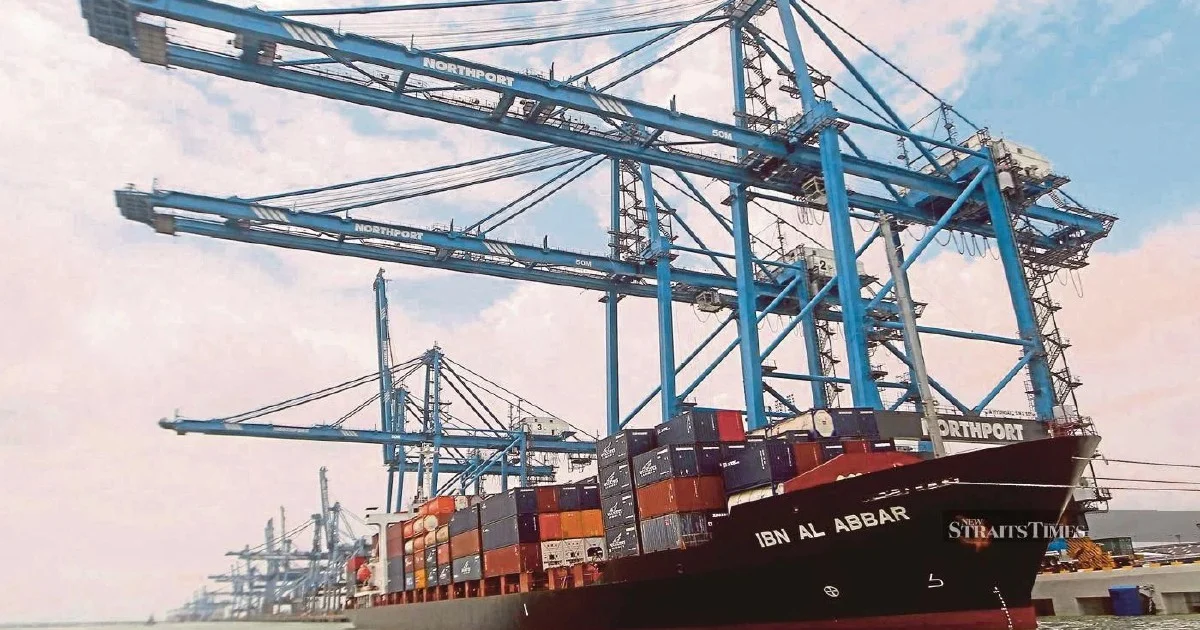
The proposed Port Klang 3 development, envisioned as a major expansion of Malaysia's principal container port, is firmly positioned to begin construction within the current year, according to Transport Minister Anthony Loke. The timeline hinges primarily on reaching an agreement with the Selangor state government regarding land acquisition and related administrative matters that have until now constrained project advancement.
Port Klang currently operates as Southeast Asia's busiest port facility by container throughput, handling roughly half of Malaysia's total maritime cargo. The proposed third container terminal is widely regarded as essential infrastructure to accommodate anticipated growth in regional trade volumes, particularly as Southeast Asian economies and international supply chains continue to evolve in the post-pandemic environment. The facility would significantly expand domestic port capacity without requiring relocation of existing operations.
The resolution of land-related obstacles with the Selangor state authorities represents the final major administrative hurdle before mobilisation of construction resources and workforce can commence. These boundary and land-use negotiations have extended considerably, reflecting the complexity of coordinating between federal and state-level agencies on a project of national economic significance. Loke's statement suggests negotiations have matured sufficiently that stakeholders anticipate concrete resolution in the near term.
Regional container port operators throughout Asia have invested heavily in terminal expansions to capture growing containerised trade flows. Port Klang's competitive position depends on maintaining sufficient capacity to avoid congestion and service disruptions that would encourage shippers to redirect cargo through alternative hubs in Singapore, Hong Kong, or other regional centres. The Port Klang 3 project therefore carries implications for Malaysia's broader regional trade competitiveness and foreign direct investment attraction.
The project's estimated cost and capital structure remain significant considerations for both federal and state authorities reviewing the development proposal. Port authorities typically share infrastructure investment responsibility with private sector concessionaires or terminal operators, requiring careful alignment of financial frameworks and return-on-investment expectations. The involvement of multiple stakeholders—including Selangor state, federal transport authorities, and prospective private operators—necessitates extensive coordination before construction mobilisation.
Malaysia's broader port infrastructure strategy has emphasised modernisation and capacity expansion across multiple facilities, including Penang Port and Port Tanjung Pelepas in Johor. Port Klang 3 fits within this national-level logistics infrastructure development agenda, supporting long-term economic growth and maintaining competitiveness as an international maritime hub. The project's advancement would signal commitment to infrastructure investment during a period of global economic uncertainty.
Local supply chain enterprises, shipping companies, and manufacturing sectors dependent on maritime trade patterns will benefit from expanded container handling capacity. Reduced port congestion typically translates to lower logistics costs, improved cargo handling predictability, and enhanced international competitiveness for Malaysian exporters. Port efficiency improvements ripple throughout the economy, benefiting industries from palm oil processing to semiconductor manufacturing.
The Selangor government's participation in land-related negotiations reflects the state's substantial stake in port operations and surrounding maritime economic activity. Port Klang generates significant employment across stevedoring, logistics, warehousing, and ancillary services, with the port precinct constituting a major economic zone within the state. State authorities balance infrastructure development aspirations with land-use planning considerations and other development priorities.
Regional observers view Port Klang's expansion plans as indicative of Malaysia's confidence in sustained long-term trade growth despite near-term macroeconomic uncertainties. The willingness to commit substantial capital to port infrastructure expansion suggests Malaysian policymakers anticipate robust post-pandemic recovery and continued integration within regional and global supply networks. Port modernisation projects typically require multi-year construction timelines and substantial ongoing operational investment.
Timely project commencement this year would position completion for the latter half of the decade, aligning with medium-term container traffic forecasts and regional trade growth expectations. Construction delays, conversely, would compress the operational timeframe available to capture anticipated cargo growth before capacity constraints again emerge. Project schedule adherence thus carries measurable economic consequences for port competitiveness and supply chain efficiency throughout Malaysia and the broader Southeast Asian region.

