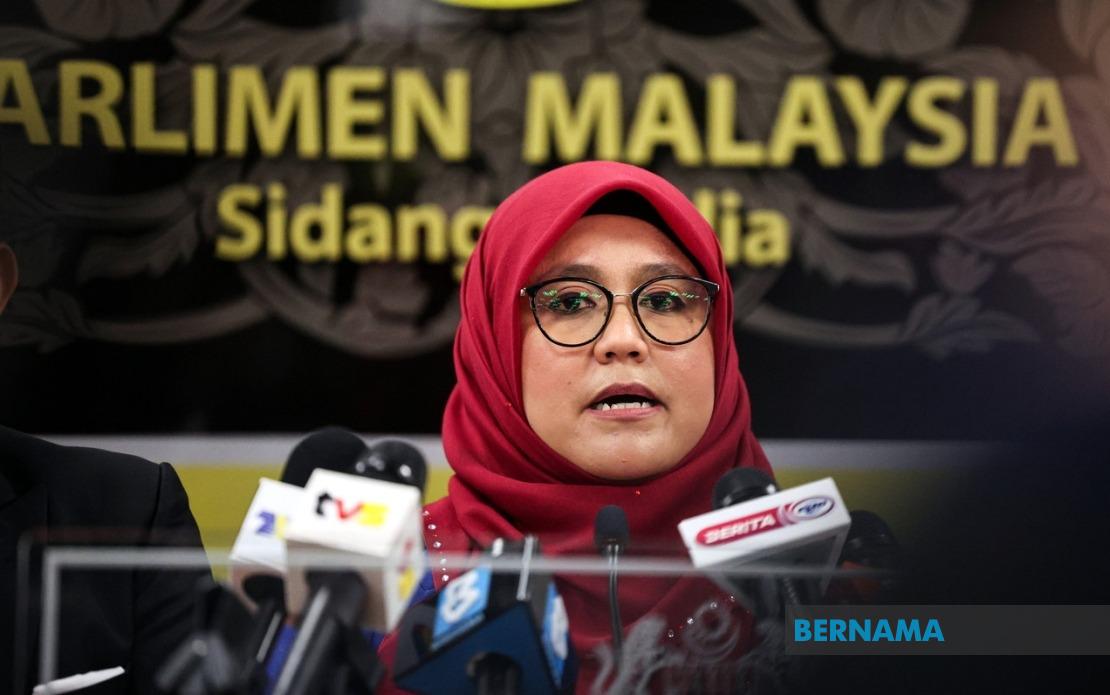
The root cause of escalating health insurance premiums in Malaysia lies not with physicians' earnings but with the multitude of unregulated costs imposed by private healthcare facilities, according to a comprehensive investigation by the Public Accounts Committee presented to Parliament this week. PAC chairman Datuk Mas Ermieyati Samsudin outlined findings demonstrating that while doctors' professional fees have operated under regulatory oversight since 2013, the explosion in non-professional charges has proceeded unchecked, creating a cost structure that fundamentally undermines the affordability of private healthcare and, by extension, the insurance products that fund it.
The committee's investigation catalogued a complex web of cost drivers extending far beyond traditional medical services. Non-professional charges encompassing medical supplies, pharmaceutical products, diagnostic testing, and medical technology have accumulated without any standardised pricing framework or regulatory ceiling. Meanwhile, the operating expenses absorbed by private hospitals—encompassing labour, utilities, technology infrastructure, and increasingly defensive medicine practices triggered by litigation concerns—have compounded the burden. These layers of costs, according to the PAC's assessment, have created an environment where transparency has become virtually impossible for patients and insurers alike.
A particularly damaging pattern emerged from the committee's examination of hospital billing practices: the absence of standardised pricing structures across Malaysia's private hospital sector permits individual facilities to set charges with minimal accountability. This fragmentation deliberately obscures the true cost of specific medical services and basic items, making comparative shopping impossible and enabling substantial price variations for identical procedures. The situation is further complicated by hospitals embedding ancillary costs—such as nursing labour and utility consumption—into medicine pricing rather than billing them separately, meaning patients and insurers cannot identify what portion of pharmaceutical costs actually reflects drug prices versus facility overhead.
The practice of unbundling emerged as a particularly egregious cost-shifting mechanism, wherein hospitals separately charge patients for items that logically should be incorporated into standard service bundles. Clinical waste disposal, bed linens, and basic consumables like alcohol swabs—components that represent ordinary operational expenses in professional healthcare environments—are instead itemised as discrete charges. This approach artificially inflates apparent service costs while fragmenting billing in ways that prevent meaningful cost analysis or regulation. For Malaysian patients already contending with rising out-of-pocket expenses, such practices represent hidden charges that accumulate substantially across hospital stays.
Price discrimination based on payment method has created a two-tier system that particularly disadvantages patients utilising guarantee letters from insurers. The committee found consistent evidence that hospitals charge substantially higher rates to patients presenting insurance guarantee letters compared to those paying directly or through subsequent reimbursement, essentially penalising those attempting to manage costs through formal insurance mechanisms. This discrimination undermines the entire insurance model by creating financial incentives for hospitals to inflate costs specifically for insured patients, directly translating into insurance premium increases as carriers adjust rates to offset these inflated reimbursements.
The pharmaceutical dimension of this cost crisis reveals structural inefficiencies that extend throughout Malaysia's supply chain. The committee documented significant markup accumulation across distribution stages, with particularly striking instances where generic medications command prices exceeding those of branded innovator drugs—a market inversion that defies basic economic logic and points toward deliberate price manipulation. More critically, the committee identified over 1,500 medications with sole manufacturer registration status in Malaysia, creating de facto monopolies that eliminate competitive pricing pressure. These single-source medicines can sustain elevated prices indefinitely, as no alternative suppliers exist to offer comparable options at lower costs.
The PAC's investigation uncovered the mechanics through which this monopolistic control operates within Malaysia's pharmaceutical regulatory framework. When only one manufacturer holds registration rights for a particular medicine, that manufacturer faces no competitive constraints on pricing strategy. The committee's findings suggest these monopolies persist partly through registration barriers and partly through commercial arrangements that foreclose competition. For Malaysian patients and insurers, this creates a situation where essential medicines carry prices determined entirely by monopolist discretion rather than market forces, with costs ultimately absorbed through insurance premiums that inevitably rise to cover these uncontrolled pharmaceutical expenses.
Addressing these structural deficiencies, the PAC has submitted 17 recommendations targeting both legislative reform and operational changes. Prominent among these proposals is expedited implementation of the Diagnosis-Related Group payment system, which would establish standardised pricing for specific medical conditions based on actual treatment costs. The committee has also recommended amending the Private Healthcare Facilities and Services Act 1998 to grant the Ministry of Health regulatory authority over non-professional charges, mirroring the existing oversight of physician fees. Additional proposals direct the Ministry of Health and Ministry of Domestic Trade and Cost of Living to establish mechanisms regulating pharmaceutical and medical equipment pricing while exploring direct government procurement from manufacturers—particularly Malaysian producers—to circumvent supplier and distributor markups.
Parliamentarians from both government and opposition benches have rallied behind the PAC's findings, signalling broader consensus that current regulatory frameworks inadequately control private healthcare costs. MPs have called for substantially tighter regulation of hospital charges and medicine pricing, coupled with enhanced transparency requirements for insurance companies. The parliamentary discussion emphasised the urgent necessity for implementing the DRG system, strengthening inter-agency coordination between the Ministry of Health, Bank Negara Malaysia, and insurance regulators, and substantially increasing public healthcare investment to reduce over-reliance on private facilities that sustain these inflated costs. Several members advocated for more aggressive fiscal measures, including elevated taxation on private hospitals benefiting substantially from medical tourism revenues.
For Malaysian patients and insurance consumers, the PAC's investigation and recommendations carry profound implications. The current regulatory vacuum permits private healthcare providers to increase costs with minimal restraint, directly translating into annual premium increases that outpace inflation and wage growth. Middle-class Malaysians increasingly find comprehensive private health insurance economically unaffordable, forcing reliance on an already-strained public system. The committee's findings suggest that resolving the insurance premium crisis requires not incremental adjustments but fundamental legislative restructuring that brings non-professional hospital charges, pharmaceutical pricing, and billing practices under regulatory oversight comparable to the existing controls on physician fees.
The broader Southeast Asian context underscores Malaysia's challenge. As regional economies develop and healthcare costs escalate across the Association of Southeast Asian Nations, Malaysia faces pressure to develop healthcare financing models that remain sustainable and equitable. The current trajectory—where private hospital charges and pharmaceutical pricing operate largely unchecked—creates a system vulnerable to runaway cost inflation that ultimately compromises access. By implementing the PAC's recommendations, Malaysia could establish a regional precedent for balancing private sector efficiency with public interest protection through targeted regulation that controls costs without stifling innovation or quality improvement.

