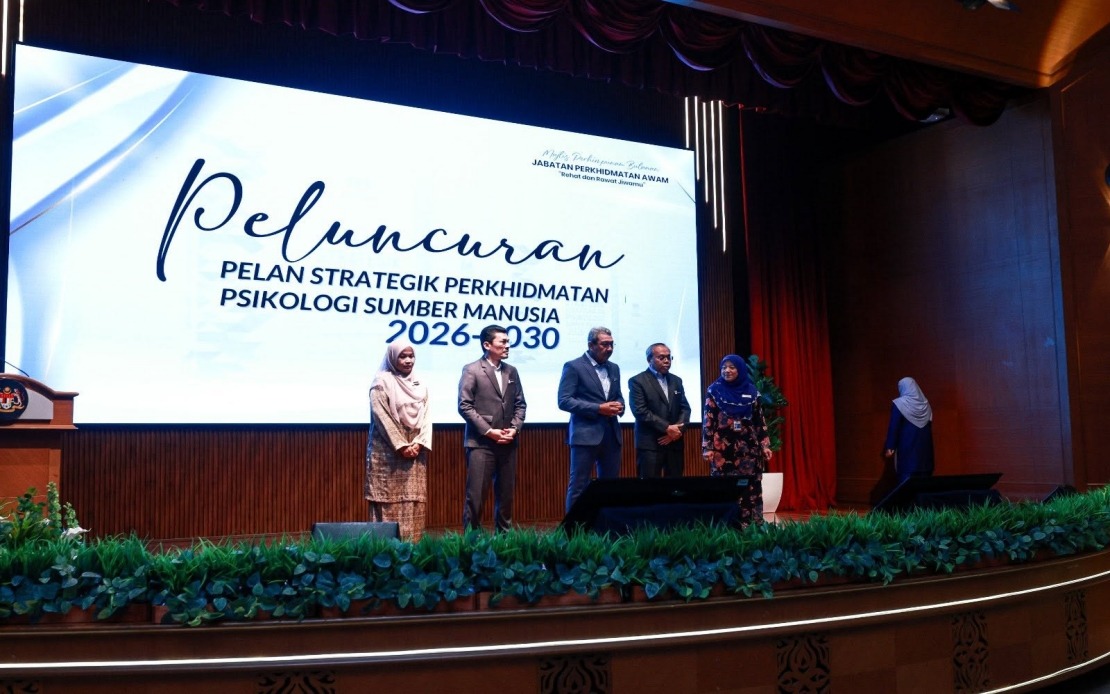
The Public Service Department has rolled out an ambitious roadmap aimed at transforming how Malaysia's civil service addresses mental health and psychological support. Unveiled at the agency's June assembly in Putrajaya by Director-General Tan Sri Wan Ahmad Dahlan Abdul Aziz, the Human Resources Psychology Services Strategic Plan 2026-2030 represents a significant institutional commitment to prioritising the emotional and mental wellbeing of the nation's government workforce.
The five-year blueprint encompasses a structured framework comprising 12 distinct strategies, 22 implementing programmes, and 48 key performance indicators designed to measure progress across various dimensions of psychological health support. This comprehensive architecture underscores the department's recognition that civil service effectiveness ultimately depends on the wellbeing of individual employees and the institutional culture that either nurtures or neglects their mental health needs.
Central to the strategic plan is the "Rawat" concept, which translates to proactive care and intervention. Rather than positioning mental health support as reactive crisis management, the PSD framework encourages civil servants to take ownership of their psychological wellbeing by actively seeking professional help when needed, openly discussing mental health challenges, and rejecting the social stigma that has historically surrounded mental health services in workplace environments. This reframing represents a meaningful departure from traditional approaches that treated psychological issues as individual failings rather than legitimate health concerns requiring professional attention.
Tan Sri Wan Ahmad Dahlan emphasised during the assembly launch that organisational health fundamentally depends on individual wellbeing. His messaging highlighted the importance of what the department calls the "Treat" principle, which requires government workers to embrace preventative and intervention strategies with courage and transparency. This includes dismantling entrenched cultural barriers that discourage people from seeking psychological support, normalising conversations about mental health challenges, and ensuring civil servants have reliable access to professional services.
The strategic plan sits within a broader institutional reform agenda that the PSD has been pursuing under its H.E.M.A.T work culture framework. This initiative addresses governance systems, public empathy, progressive mindsets, innovation appreciation, and transparent administration across the civil service. By embedding mental health support within this larger transformation agenda, the department signals that psychological wellbeing is not a peripheral concern but rather integral to modernising how government organisations function.
The emphasis on destigmatising mental health services responds to documented challenges within the Malaysian civil service and wider society, where individuals often hesitate to seek help due to fears about professional consequences or social judgment. By institutionalising support systems and creating measurable accountability through KPIs, the PSD is attempting to shift workplace culture in ways that make seeking psychological support a normalised, supported practice rather than an indicator of weakness or unsuitability for public service.
The assembly's theme of "Rest and Treat" encapsulates a dual message: first, that civil servants should not sacrifice their health through overwork or neglect of self-care, and second, that proactive intervention and professional support constitute legitimate and necessary elements of personal and organisational wellness. This messaging carries particular resonance given the documented stress levels and burnout affecting public sector workers across Southeast Asia, where demanding workloads, political pressures, and evolving service delivery expectations create persistent mental health challenges.
For Malaysian civil servants, the plan's rollout over the 2026-2030 period will determine whether these aspirational frameworks translate into tangible improvements in service availability, cultural shifts within government departments, and measurable improvements in employee mental health outcomes. The 22 programmes will need to be effectively implemented across Malaysia's sprawling civil service apparatus, encompassing federal, state, and local government employees with varying access to resources and support infrastructure.
The psychological services sector within the public service faces particular challenges in reaching all eligible beneficiaries, ensuring cultural appropriateness of interventions, and building sufficient capacity to meet demand without creating bottlenecks that discourage help-seeking behaviour. The department's emphasis on measurable KPIs suggests awareness of these implementation challenges and a commitment to tracking progress transparently.
Regionally, Malaysia's initiative reflects broader Southeast Asian recognition that civil service sustainability depends on systematic attention to workforce mental health. As regional governments grapple with post-pandemic pressures, digital transformation demands, and shifting public expectations around service quality, investing in psychological support represents a pragmatic investment in human capital and institutional resilience.
The strategic plan also acknowledges that psychological wellbeing supports broader governance objectives. When civil servants experience improved mental health, they demonstrate greater engagement, productivity, and ethical decision-making, potentially reducing corruption risks and improving service delivery to Malaysian citizens. From this perspective, mental health investment becomes a governance efficiency measure, not merely a humanitarian concern.
Successful implementation will require sustained commitment beyond the launch phase, including adequate funding allocation, training of psychological service providers, regular review of programme effectiveness, and ongoing cultural change initiatives that challenge lingering stigma. Whether the PSD can maintain momentum and realise the strategic plan's ambitious objectives over the next five years will provide important lessons for other Malaysian government agencies considering similar mental health transformation initiatives.
The department's decision to embed psychological services within formal strategic planning processes, complete with specific targets and accountability mechanisms, represents a meaningful institutional shift toward recognising mental health as essential infrastructure for effective public administration rather than a luxury amenity.

