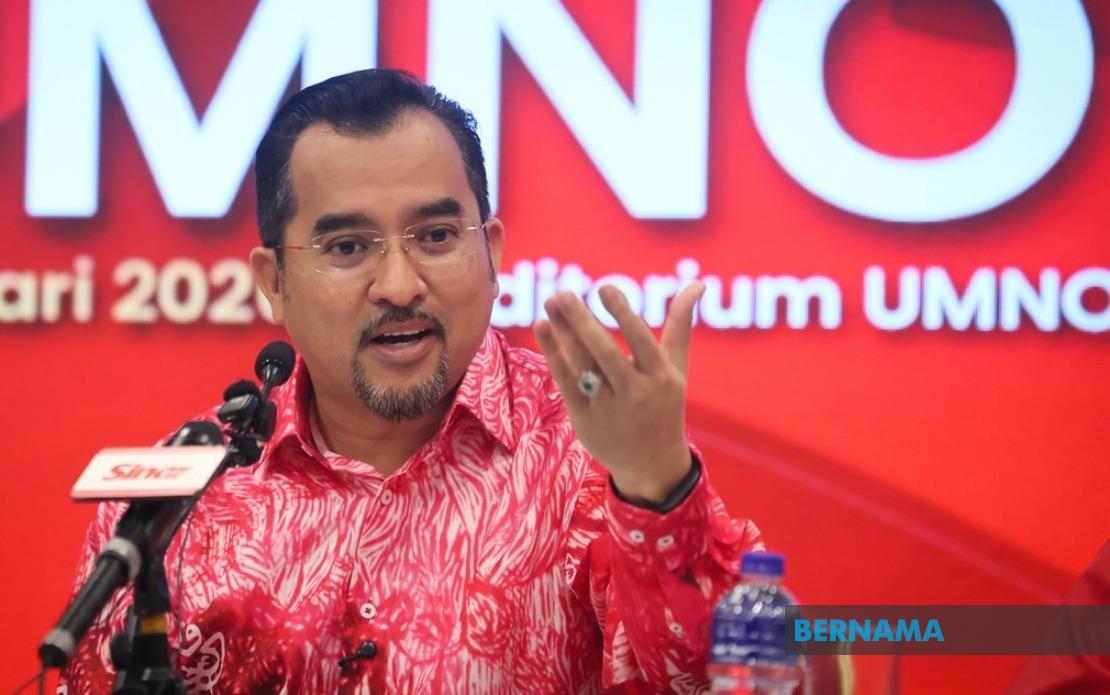
The departure of senior UMNO figure Datuk Dr Mohd Puad Zarkashi from the party traces back to internal disappointment over succession planning rather than broader ideological differences, according to party leadership. UMNO secretary-general Datuk Dr Asyraf Wajdi Dusuki disclosed the underlying tensions in a Facebook statement, characterizing the Supreme Council member's exit as rooted in personal grievance rather than principled political conviction.
Ashyraf Wajdi's revelation provides crucial context for understanding Puad's sudden resignation announcement, which he had framed on social media as driven by a desire for greater freedom to voice independent opinions. The party official instead presented a more damaging picture: that Puad had explicitly threatened to attack UMNO publicly and abandon the organization if party leadership refused to slate his son as the candidate for the Rengit state assembly seat. According to Asyraf Wajdi, the Supreme Council member had submitted written correspondence outlining these ultimatums in considerable detail, leaving the party hierarchy with no ambiguity regarding the conditional nature of his continued membership.
The timing of this internal conflict proves particularly significant given that Johor's state legislative assembly was dissolved on June 1, triggering a snap election cycle. The Election Commission subsequently announced June 27 as nomination day, with voting scheduled for July 11, meaning the party faced imminent decisions regarding candidate slates when Puad pressed his demands. This compressed electoral timeline would have placed additional pressure on UMNO leadership to finalize selections, potentially intensifying negotiations between the party and influential members seeking favorable outcomes for family members.
Ashyraf Wajdi acknowledged possessing legitimate grounds to consider Puad's son for candidacy, noting that the younger man possessed youth and demonstrable potential for political development and maturation as a future party leader. However, the secretary-general emphasized that responsible candidate selection requires weighing numerous competing considerations extending far beyond individual merit or family connection. The party apparatus, he suggested, must balance experience, electoral viability, geographic representation, demographic considerations, and organizational strategy when determining which individuals receive the party's endorsement and resources.
This clash over candidate selection reflects a persistent tension within UMNO's internal culture around dynasty and political inheritance. Asyraf Wajdi pointedly stressed that UMNO explicitly rejects the operational model of hereditary political organizations, which systematize the elevation of relatives and family members into leadership positions based primarily on genealogical connection rather than broader party interests. His statement appears calibrated to preempt any suggestion that UMNO functions as a family-controlled enterprise where senior members can secure favorable treatment for kinfolk through seniority or leverage.
Notably, Asyraf Wajdi revealed that Puad had employed similar pressure tactics during an earlier political cycle, when he held the Batu Pahat parliamentary seat under the administration of former Prime Minister Datuk Seri Najib Tun Razak. During that period, Puad allegedly threatened to resign from the party if he were not renominated to contest the parliamentary constituency again. This pattern of behavior suggests a consistent approach by Puad to weaponize threats of departure in pursuit of favorable treatment, a tactic the party secretary-general implicitly characterized as contrary to organizational norms and party discipline.
The broader philosophical framework underlying Asyraf Wajdi's response emphasizes that UMNO's core mission transcends the satisfaction of individual preferences or accommodation of personal disappointment. He articulated the party's raison d'être as championing race, religion, and national interest—grand themes that necessarily supersede the particular ambitions of any single member, however senior. This framing attempts to elevate the dispute beyond personal conflict into a matter of organizational principle and institutional integrity.
Ashyraf Wajdi further contended that UMNO has historically served as an incubator for political talent, providing multiple opportunities, institutional positions, and public platforms through which numerous leaders have constructed personal reputations and advanced their careers. Under this logic, the party deserves gratitude and loyalty from beneficiaries rather than threats and extortion. The implicit message holds that Puad has already received considerable party support and institutional advantage, making his latest demands appear ungrateful and presumptuous.
For Malaysian political observers, this internecine dispute illustrates recurring challenges facing established political organizations competing in an increasingly fractious multi-party environment. When senior figures feel their interests subordinated to broader party strategy, they retain the option of departure or public criticism, potentially fragmenting party unity during critical electoral moments. UMNO's leadership clearly views Puad's resignation with concern primarily in terms of the damaging narrative he may promote, not on account of his departure itself diminishing party capabilities.
The confrontation also raises questions about candidate selection procedures within Malaysian political parties more broadly. Whether formal meritocratic mechanisms exist to arbitrate such disputes, or whether decisions remain concentrated within narrow leadership circles, remains ambiguous from available information. The opacity of such processes has historically generated cynicism among party members and the electorate concerning whether organizational hierarchies operate transparently or reflect the consolidation of power among elite coalitions.
Ashyraf Wajdi's hardline response—refusing any accommodation and instead publicizing the dispute—suggests UMNO leadership determined that yielding to Puad's demands would establish a dangerous precedent inviting further extortion attempts from other senior figures. Demonstrating that threats of party departure carry no currency in candidate selection may represent a calculated effort to establish organizational discipline ahead of the Johor election campaign.
Puad's resignation statement had emphasized his desire to exercise greater freedom in expressing political viewpoints, a framing that conveniently obscures the transactional nature of his departure. His subsequent silence following Asyraf Wajdi's public rebuttal will indicate whether he intends to fulfill his alleged threats by launching public attacks on UMNO leadership or whether his grievance will fade with time.

