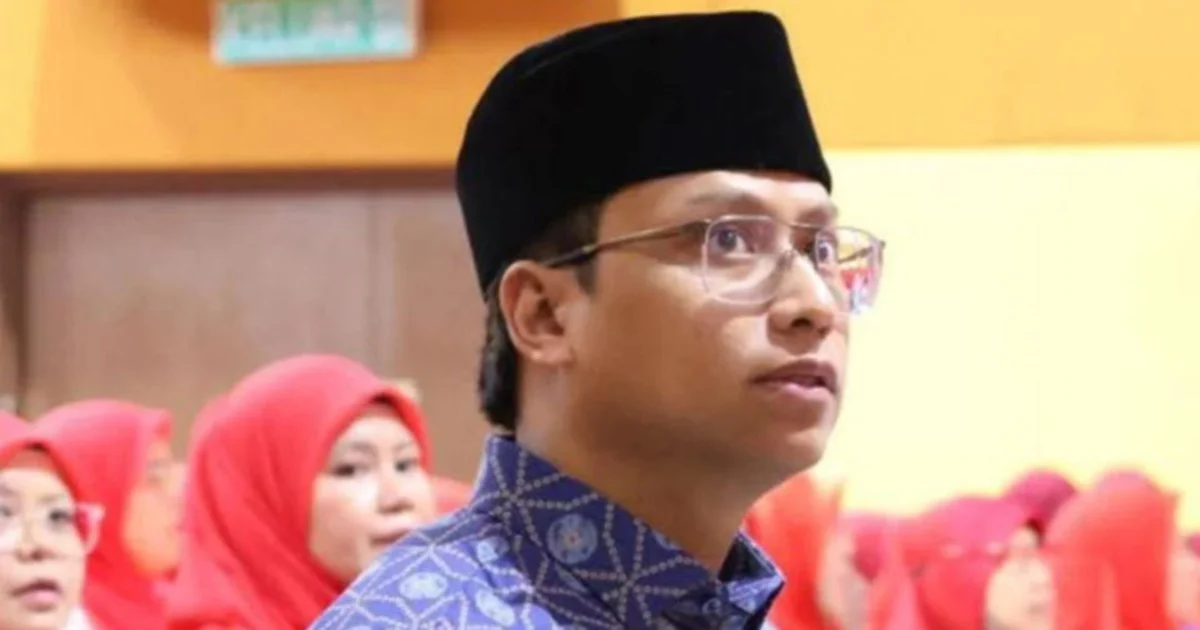
The son of former Umno Supreme Council member Datuk Dr Mohd Puad Zarkashi has mounted a robust defence of his father's recent remarks concerning Umno's strategic direction, asserting that the criticism emanated from a sincere desire to preserve the party's long-term viability rather than personal grievance or factional interest. Speaking from a family perspective, he emphasised that his father's public interventions, which have drawn considerable scrutiny within party circles, should be understood as constructive input rather than destructive commentary aimed at undermining party leadership.
The remarks made by Datuk Dr Mohd Puad Zarkashi have generated considerable debate within Umno's ranks, particularly among senior members evaluating the party's positioning within Malaysia's evolving political landscape. The former Supreme Council member, who brings decades of party experience and institutional memory, has articulated concerns that reflect broader anxieties about Umno's capacity to adapt to contemporary political realities while maintaining its foundational principles. His son's intervention in the public discourse suggests the family views the criticism as historically significant rather than merely contemporaneous positioning.
Umno faces a critical juncture as Malaysia's political environment continues to shift. The party, which has dominated Malaysian politics for seven decades, confronts substantial challenges to its electoral appeal, particularly among younger voters and urban constituencies. Datuk Dr Mohd Puad Zarkashi's interventions appear calibrated to push the party toward introspection and strategic recalibration during this transformative period. His son's defence positions these remarks not as destructive dissent but as the uncomfortable truths that organisations sometimes require to remain relevant and vital.
The intergenerational dimension of this defence is noteworthy. By having his son articulate the family's perspective, Datuk Dr Mohd Puad Zarkashi's position gains additional credibility and demonstrates that his concerns transcend individual political calculation. The involvement of the next generation suggests confidence that history will ultimately vindicate the substance of his critique, regardless of its reception within current party structures or immediate political circles.
Umno's direction has become increasingly contested as the party navigates competing pressures from coalition politics, internal factional dynamics, and shifting voter demographics. Questions about the party's ideological moorings, its approach to intercommunal relations, and its capacity to project modern governance have intensified in recent years. Datuk Dr Mohd Puad Zarkashi's willingness to voice these concerns publicly, despite potential political consequences, suggests a conviction that silence would itself constitute a form of disloyalty to the party's ultimate interests.
The younger Zarkashi's assertion that time will be the ultimate arbiter of his father's position reflects confidence in the sustainability of the critique itself. This temporal dimension reframes the controversy from immediate partisan advantage to long-term institutional health. It suggests the family anticipates that Umno's future trajectory will ultimately validate concerns currently dismissed or contested by party leadership and their allies.
Within Southeast Asian context, Umno's trajectory carries implications beyond Malaysia. The party's evolution continues to influence regional dynamics and the broader ideological landscape of Malay-Muslim politics across the region. Datuk Dr Mohd Puad Zarkashi's interventions thus acquire broader significance, potentially signalling concerns about directions that could resonate across Southeast Asian Umno-aligned networks and like-minded organisations.
The family's public defence also illuminates the nature of substantive internal party criticism in Malaysian politics. Rather than accepting the binary framing of loyalty versus disloyalty, the younger Zarkashi's intervention redefines the terms of the debate. He positions his father's remarks as expressions of deeper loyalty, motivated by concern for institutional survival rather than personal advancement or factional positioning.
Umno's institutional capacity to absorb internal criticism without experiencing schism will itself become a test of the party's health and adaptability. The manner in which party leadership and broader membership engage with Datuk Dr Mohd Puad Zarkashi's substantive concerns may ultimately prove more consequential than the specific positions articulated. A party unable to process legitimate internal critique risks institutional sclerosis and declining relevance.
The son's intervention demonstrates awareness that his father's position will be understood and evaluated within broader historical frameworks. Rather than seeking immediate vindication or resolution within current party structures, the family appears to be appealing to longer-term judgement. This approach implicitly trusts that future generations of Umno members and Malaysian observers will develop sufficient perspective to evaluate the substance of the critique independently of contemporary partisan reactions.

