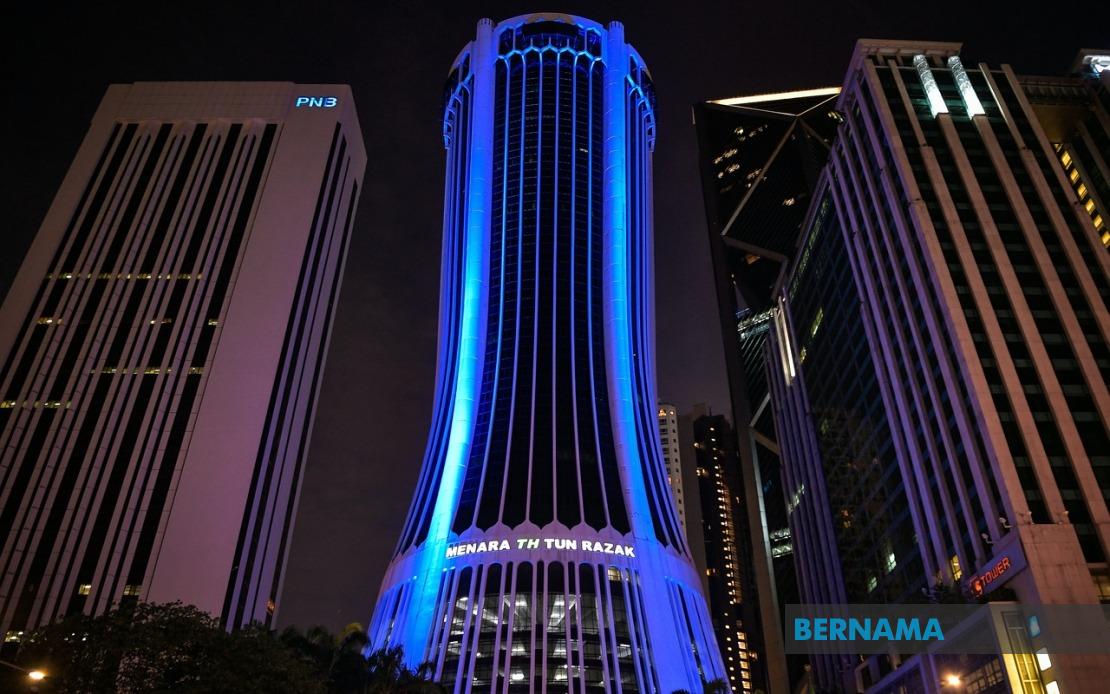
A Royal Commission of Inquiry investigating Tabung Haji's stewardship has called for comprehensive forensic examinations of 14 investment decisions that inflicted major financial damage on the nation's Islamic pilgrimage fund. The investigation, which scrutinised TH's administration throughout the 2014–2020 period, identified these problem investments in findings delivered to then Yang di-Pertuan Agong Al-Sultan Abdullah Ri'ayatuddin Al-Mustafa Billah Shah in August 2022, with Tun Md Raus Sharif heading the inquiry commission.
The slate of ventures singled out for intensive forensic review spans diverse sectors and investment vehicles. Plantation operations through PT TH Indo Plantations and TH Plantations Bhd appear alongside rail infrastructure via Emrail Sdn Bhd, real estate through Abraj Sdn Bhd and Putrajaya Perdana Bhd, maritime resources via Alam Maritim Resources and TH Marine, hospitality assets under TH Hotel & Residences Sdn Bhd, and agricultural ventures including FGV Bhd. The breadth of these investments underscores how extensively TH had diversified its portfolio, often into high-risk domains that extended far beyond its core mandate of managing hajj savings and pilgrim welfare.
Beyond recommending forensic audits, the RCI stressed that authorities must move decisively on any police complaints or allegations concerning misconduct within TH's ranks. The commission identified systemic weaknesses in how the organisation handles disciplinary matters, proposing that suspension procedures be accelerated and made transparent to prevent prolonged uncertainty affecting staff members under investigation. Investment disputes currently entangled in litigation or arbitration require vigilant oversight from management and the board, the RCI stated, emphasising that out-of-court settlements should be strengthened to resolve conflicts swiftly while safeguarding TH's interests.
The investigation also advanced a structural recommendation with significant implications for TH's future operations. The RCI argued that TH's investment management and hajj management functions should remain consolidated within a single entity, citing cross-subsidy mechanisms that support this arrangement. However, the commission proposed establishing an autonomous investment department, potentially named 'Dana Haji', that would operate independently yet remain housed within TH itself, subject to oversight by the Securities Commission Malaysia. This model aims to insulate investment decisions from operational pressures while maintaining institutional coherence.
Critically, the RCI recommended that TH refrain from pursuing high-risk ventures, particularly those management designates as strategic investments. This advice reflects hard lessons from the 2014–2020 period, when aggressive diversification into unfamiliar sectors produced impairments rather than returns. By concentrating on core fund management activities and hajj-related services, TH would reduce exposure to sectors where it lacks competitive advantage or deep expertise. Such a recalibration could improve returns and restore depositor confidence in the fund's prudence.
The investigation also trained focus on a critical vulnerability threatening TH's entire ecosystem: the arrangement with Urusharta Jamaah Sdn Bhd (UJSB), the special purpose vehicle that acquired TH assets. This transaction transferred RM19.9 billion in assets valued at merely RM9.7 billion at market rates, creating an artificial RM10.2 billion premium that essentially masked losses. In exchange, UJSB issued sukuk instruments totalling RM19.6 billion across two series, plus RM300 million in cash. These sukuk now generate income that constitutes nearly 26 per cent of TH's annual revenue and represents more than one-third of annual profit disbursed to depositors.
This heavy reliance on UJSB sukuk income presents an acute systemic risk. Should UJSB falter in meeting its obligations, TH's financial stability would deteriorate sharply, potentially radiating destabilisation through Malaysia's broader financial system. The RCI therefore urged accelerated redemption of UJSB sukuk, advocating that government provide the RM1.73 billion annually that Cabinet previously authorised for early debt repayment. UJSB is currently negotiating with the Ministry of Finance for a government guarantee backing its sukuk and is exploring a new Government Guaranteed Sukuk arrangement with TH itself.
These recommendations arrive amid broader concerns about how Malaysian state-linked institutions manage public assets entrusted to their care. TH holds savings accumulated by millions of Malaysian Muslims over decades, representing not merely financial assets but religious obligations and family welfare aspirations. The impairments documented by the RCI underscore how investment decisions lacking proper governance checks can erode public trust and expose critical institutions to systemic vulnerabilities. For Malaysian depositors, the RCI's findings signal that structural reforms and tighter controls remain essential to prevent future losses.
The implications extend across the Southeast Asian region as well. As Islamic finance expands throughout Asia and the Middle East, Tabung Haji's experience offers cautionary lessons about balancing growth ambitions with prudent risk management in faith-based financial institutions. Regulators and governance bodies across the region monitoring their own Islamic funds will likely scrutinise how Malaysia addresses the RCI's recommendations, viewing TH's recovery as a test case for institutional resilience in the Islamic financial ecosystem.
Implementing the RCI's forensic audit agenda will require coordination among law enforcement, financial regulators, and TH's management and board. Police must treat complaints with appropriate urgency, while the Securities Commission must provide robust oversight of the proposed Dana Haji division. The government must follow through on committed funding for UJSB sukuk redemption, signalling to depositors that their savings remain protected despite past misadventures. Success in these areas would signal that Malaysia takes institutional accountability seriously and remains committed to safeguarding public trust in major financial entities.
Looking forward, the RCI's work represents a watershed moment for TH. The identification of 14 problematic investments and systemic governance failures provides a detailed roadmap for remediation. Yet recommendations alone carry no force without sustained political will and rigorous implementation. As TH navigates post-RCI reforms, depositors will watch closely whether management genuinely embraces independence in investment decisions, whether discipline procedures actually accelerate, and whether the government delivers promised funding for UJSB obligations. These measures will determine whether Tabung Haji can rebuild confidence and fulfil its sacred duty to Malaysian Muslims planning their hajj pilgrimage.

