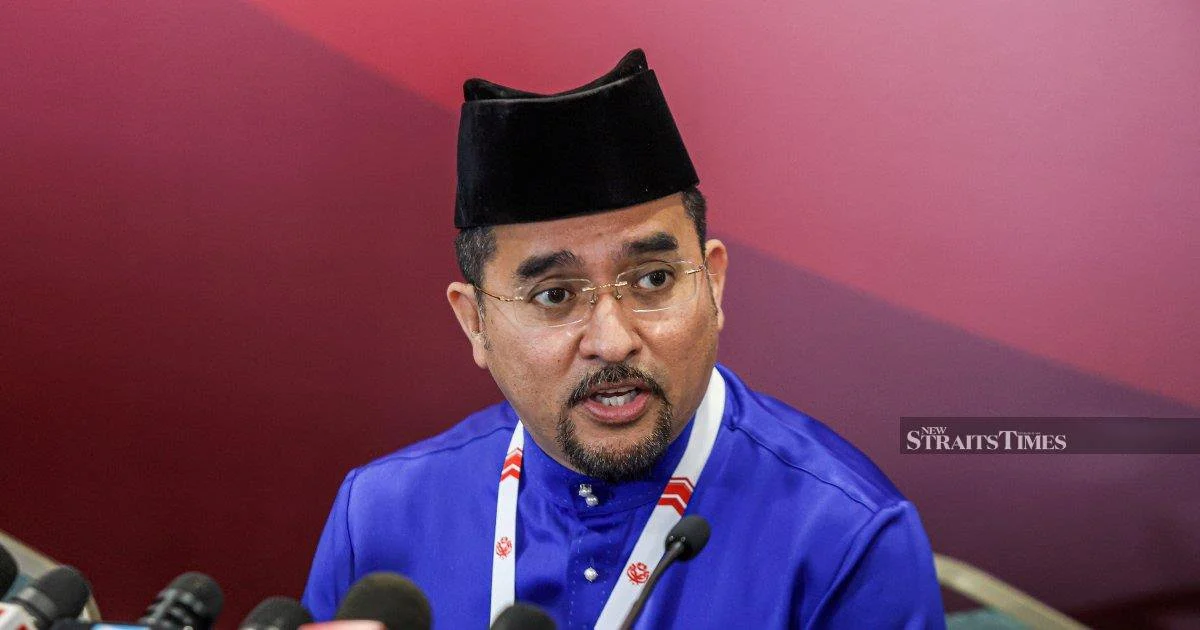
The Barisan Nasional coalition's postponement in revealing its slate of candidates for the Johor election reflected the organisation's commitment to thorough due diligence rather than administrative negligence, said Umno secretary-general Datuk Dr Asyraf Wajdi Dusuki. The extensive scrutiny applied to potential candidates, he indicated, necessitated additional time to ensure that those chosen would meet the coalition's standards and represent constituent interests effectively.
The vetting mechanism deployed by the BN machinery examines numerous dimensions of prospective candidates beyond electoral viability. This encompasses financial background checks, personal conduct assessments, and scrutiny of any previous legal entanglements that might compromise their suitability for public office. Such comprehensive evaluation serves to protect the coalition's image and credibility, particularly crucial in a competitive political environment where any candidate indiscretion can reverberate across the entire party structure.
Johor, as Malaysia's southernmost peninsula state and home to a substantial portion of the national electorate, carries significant strategic weight in any electoral calculation. The state's economic importance as an industrial and manufacturing hub means that BN candidate selection here requires particular care, since representatives must demonstrate capacity to navigate complex development issues and engage with diverse business communities. This heightened stakes likely intensified the depth of examination each prospective nominee underwent.
The delay in candidate announcements can create uncertainty among party members and supporters eager to mobilise campaign machinery. However, BN's approach suggests a deliberate choice to prioritise candidate quality over speed of announcement. Political observers have increasingly recognised that poorly vetted candidates—those with questionable backgrounds or limited grassroots connection—can become electoral liabilities that damage broader coalition prospects. Recent electoral cycles across the region have demonstrated that rushed nominations without adequate scrutiny frequently result in public backlash and compromised party discipline.
Umno, as the dominant component within the BN framework, bears primary responsibility for candidate selection in many constituencies. The party maintains hierarchical structures through which nominations pass multiple approval layers, from division level through state and national committees. Each checkpoint involves evaluation by senior members cognisant of local dynamics, community concerns, and individual candidate track records within the party machinery. This multi-stage process inherently requires time beyond what superficial candidate announcement timelines might suggest.
The Malaysian electoral context adds complexity to candidate selection processes absent in more straightforward democracies. Considerations of ethnic composition, religious sensitivity, and regional power-sharing arrangements within multi-party coalitions mean that candidate decisions carry implications far beyond individual contests. A nomination choice in one Johor constituency can trigger expectations and sensitivities across the entire state, necessitating careful consultation and consensus-building among coalition partners and senior party figures.
Datuk Dr Asyraf Wajdi Dusuki's explanation underscores broader institutional realities that Malaysian voters and political analysts should understand when evaluating coalition preparedness. While opposition parties occasionally criticise delays as organisational incompetence, the reality involves navigating complex internal democratic structures and consensus mechanisms within sprawling coalitions. BN's vetting procedures, when properly executed, theoretically filter out problematic candidates who might otherwise embarrass the organisation or perform poorly in office.
However, the delay also reflected broader challenges facing BN machinery, which encompasses multiple parties with competing interests and divergent operational cultures. Consensus-building between Umno, Malaysian Chinese Association, and Malaysian Indian Congress—while essential for coalition cohesion—inherently takes longer than unilateral nominations would. This structural reality becomes particularly pronounced during state-level elections when coalition partners demand adequate representation and influence over candidate selection in areas where they maintain traditional support bases.
Johor's political landscape has shifted considerably in recent years, with increasing voter volatility and rising influence of younger, urban constituencies. Candidates must therefore possess not merely organisational credentials but genuine ability to resonate with contemporary voter concerns regarding cost of living, employment opportunities, and governance transparency. The vetting process likely accounted for such contemporary electoral realities, assessing whether nominees could effectively communicate BN's vision to a more demanding and better-informed electorate than previous generations.
The timing of Datuk Dr Asyraf Wajdi Dusuki's explanation demonstrates BN's intent to frame the delay as demonstration of competence and conscientiousness rather than administrative failing. This narrative construction matters significantly for coalition morale and supporter confidence. Elections, fundamentally, involve confidence—voters must believe that the organisation they support will govern effectively and maintain ethical standards. By emphasising rigorous vetting, BN attempted to assure stakeholders that their eventual candidate slate underwent appropriate scrutiny and represented the best available selection from within party ranks.
Looking forward, the vetting process outcome—the actual candidates eventually announced—would ultimately determine whether BN's delay served legitimate quality assurance functions or whether it proved merely delay without corresponding improvement in candidate calibre. Malaysian voters and political observers would judge whether the postponement yielded measurably stronger candidates capable of addressing Johor's development agenda and constituent concerns more effectively than alternatives might have provided.

