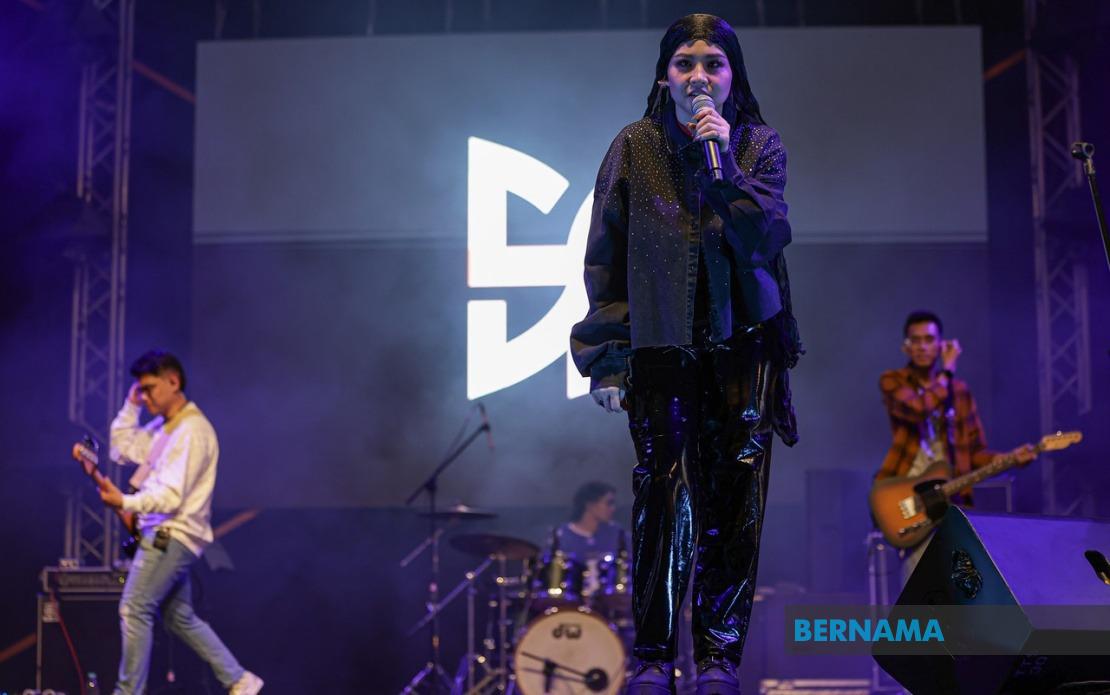
The inaugural night of the Riuh Pi Hawana 2026 concert proved a resounding success in Butterworth, drawing appreciative audiences to the PICCA Convention Centre@ Arena Butterworth parking lot despite unseasonable weather. The three-day festival, organised by MyCreative Ventures as a centrepiece of the HAWANA 2026 Highlight Event, kicked off at 9:30 pm with a carefully curated lineup of established and emerging musical talents that resonated across different demographics.
Weather posed little obstacle to attendance. Although light drizzle fell throughout the evening, the prospect of live music performances by crowd-favourites proved sufficient incentive for families and young adults to remain engaged with the event. The causal outdoor setting, combined with the promise of entertainment, appears to have overcome initial hesitation that inclement conditions might otherwise have triggered among potential attendees.
The concert programme demonstrated strategic sequencing, beginning with indie band Pasca Sini before transitioning to Sakura Band and Exists, the latter a group that has maintained sustained popularity through a succession of hit releases since the early 1990s. This combination of emerging and established acts created natural appeal across generational divides, attracting both seasoned concert-goers seeking nostalgia and younger audiences discovering live music performance.
Audience composition reflected this broad appeal. Zabrina Ishak, a 49-year-old attendee from Sungai Petani in Kedah, discovered the concert through promotional content on singer Mamat's TikTok social media account, subsequently attending with her husband and two sons. Her experience highlighted how digital marketing effectively penetrated disparate audience segments, translating online engagement into physical attendance at the venue. She praised the venue's casual layout and the availability of food and beverage stalls that permitted simultaneous enjoyment of dining and live performance.
Younger attendees formed a significant constituency among concert visitors. Nurul Aida Shahnolhadi, a first-year Physics Science student at Universiti Sains Malaysia, attended with her older sister and a friend after receiving an invitation from an acquaintance working near the venue. Her assessment emphasised comfortable rest facilities and the professional staging of performances, particularly those by Exists and Sakura Band, which aligned with her primary entertainment objectives. The relaxed atmospheric conditions she described suggest the event organisers achieved effective balance between structure and informality.
The social dimensions of attendance extended beyond passive spectatorship. Vynice Boo, an 18-year-old Foundation in Law student at Multimedia University, attended in a group of five friends, treating the concert as an occasion for collective leisure and entertainment. This pattern of group attendance, particularly among younger demographics, indicates the event functioned as a destination experience rather than merely a performance venue, encouraging extended social engagement among peer networks.
The festival's three-day structure responds to logistical and entertainment considerations affecting Malaysian audiences. The weekend programming, extending from 4:00 pm to midnight, encompasses not merely musical performances but integrated cultural activities, local creative product sales, and family-oriented interactive programmes. This diversified content architecture addresses the needs of heterogeneous attendee profiles, from families seeking multigenerational activities to enthusiasts pursuing live music experiences.
High-level political endorsement strengthened the event's profile within national cultural discourse. Communications Minister Datuk Fahmi Fadzil's presence at the opening concert underscored governmental commitment to supporting creative industries and cultural programming, particularly initiatives aligned with significant national observances such as the National Journalists' Day celebration. Such ministerial participation typically amplifies media coverage and legitimises cultural events within broader policy frameworks emphasising creative sector development.
The Riuh Pi Hawana concert exemplifies contemporary Malaysian entertainment programming that synthesises multiple engagement mechanisms—live performance, social gathering, culinary offerings, and retail activity—within unified festival frameworks. By anchoring the event to HAWANA 2026 celebrations, organisers embedded entertainment within institutional contexts that extend cultural significance beyond mere aesthetic consumption. For Malaysia's creative industries and tourism sectors, such integration models demonstrate viability in attracting diverse audiences while sustaining attendance through extended programming periods, a consideration of particular relevance as domestic entertainment markets recover post-pandemic momentum and seek sustainable event models.

