The Malaysian fire department has raised urgent safety concerns following a comprehensive review of residential fires caused by unsafe device charging, revealing that 59 incidents between 2023 and 2025 resulted in cumulative losses totalling RM14.2 million across the country. The findings underscore a persistent vulnerability in Malaysian households where inadequate awareness of charging safety continues to drive preventable fire hazards that endanger lives and destroy property.
The geographic distribution of incidents reveals striking disparities across states, with Sarawak emerging as the most severely affected region by losses incurred. The East Malaysian state experienced 11 fire incidents that generated approximately RM9.7 million in damages—nearly 68 per cent of the national total. Kelantan followed as the second-worst affected state with 17 cases resulting in RM1.14 million in losses, while Sabah recorded three incidents amounting to RM806,800. This concentration in Sarawak suggests either higher prevalence of unsafe charging practices in the state, greater exposure to risk factors, or possibly more comprehensive incident reporting mechanisms compared to other regions.
Other peninsular states showed varying degrees of impact. Selangor, despite its large urban population, recorded five incidents totalling RM661,040, while Penang documented nine cases with RM537,125 in losses. Johor experienced two fires costing RM470,000, Melaka four incidents worth RM214,810, and Terengganu two cases amounting to RM175,000. Perak recorded five incidents resulting in RM95,750 in damages, whilst Putrajaya reported a single fire causing RM387,000 in losses. Notably, six states—Kedah, Negri Sembilan, Pahang, Perlis, Kuala Lumpur, and Federal Territory of Labuan—reported no recorded incidents during this period, and throughout the three-year investigation period, no fatalities were reported nationally, though the scale of property destruction remains economically significant.
The fire department emphasised that assessing fire incidents requires far more than examining financial losses or blaze magnitude, as each case presents distinctive investigative challenges rooted in contextual factors. Determining the cause of a fire demands meticulous analysis incorporating the incident location, the specific device involved, the degree of physical evidence preservation or destruction, on-site safety hazards during investigation, and technical data requiring expert interpretation. The department noted that investigations demanding extensive technical scrutiny, sophisticated risk evaluation, and reconstruction from limited or severely compromised physical evidence often prove more challenging than high-value incidents, requiring specialized expertise and time-intensive forensic examination.
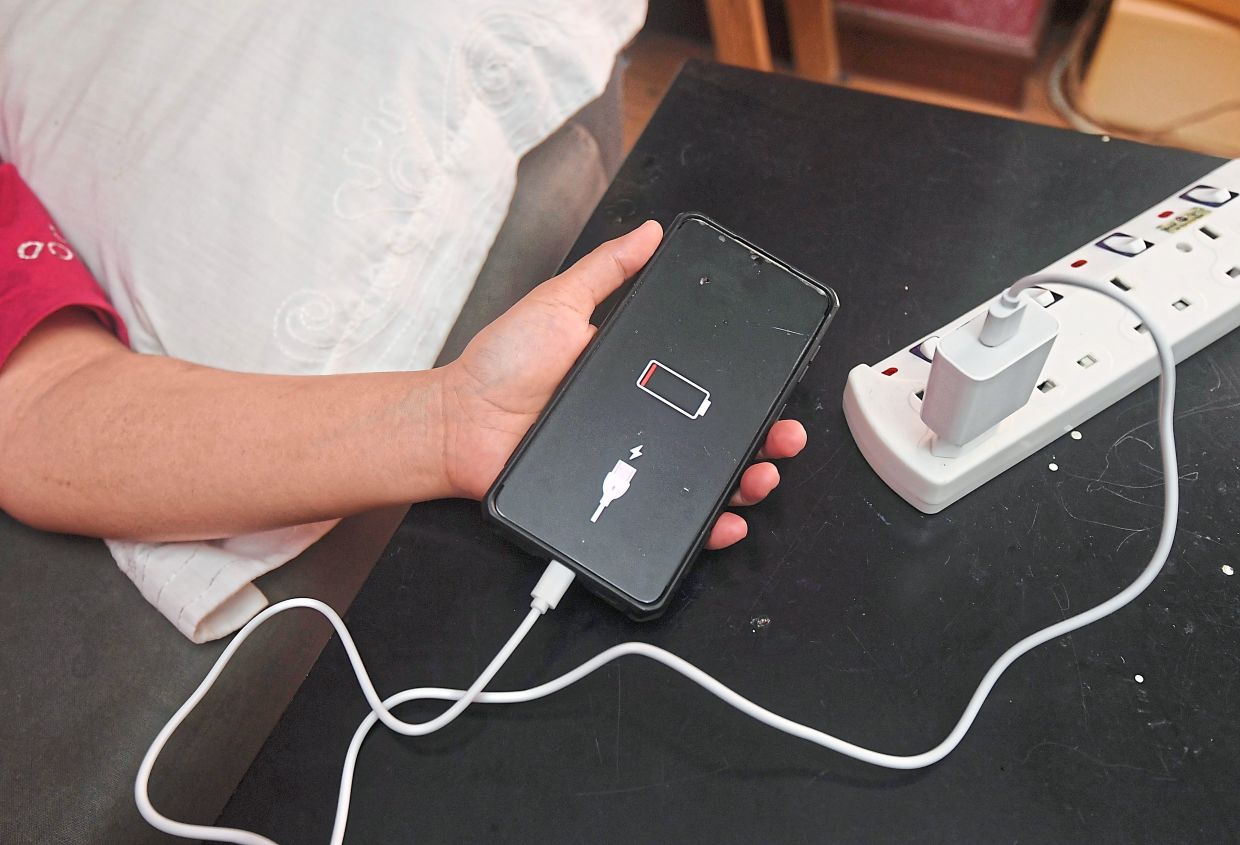
Investigations by the fire department identified a consistent pattern of dangerous charging behaviours among Malaysian households. Leaving electronic devices charging unattended during overnight hours emerged as a prevalent practice, eliminating human oversight that might detect early warning signs. Simultaneously, many users rely on non-certified chargers and cables—often obtained from informal markets at substantially lower prices—rather than manufacturer-approved or officially sanctioned equipment. The practice of charging devices on combustible surfaces including mattresses, pillows, sofas, and blankets creates conditions where heat generated during malfunction can ignite adjacent materials before any intervention occurs.
Compounding these behavioural risks, households frequently overload power strips with multiple high-draw devices, increasing electrical stress on circuits designed for lower loads. Users continue operating damaged devices exhibiting visible warning signs—including battery swelling, excessive heat generation, acrid odours, or visibly compromised cables—failing to recognize these symptoms as critical safety indicators. This normalization of degraded equipment, particularly when devices remain functional despite cosmetic damage, reflects insufficient public understanding of the mechanisms through which electrical faults transition to thermal runaway and ignition.
The root causes underlying these unsafe practices reveal a concerning cost-benefit calculation among consumers prioritizing price over certified safety standards. Malaysian shoppers frequently select cheaper charging accessories without verifying compliance with recognized safety protocols, inadvertently purchasing equipment manufactured without thermal protection, overcurrent limiters, or quality component standards. Such equipment exhibits higher propensity for internal component failure during normal charging cycles, potentially generating excessive heat that ignites plastic casings or nearby combustible materials. The widespread availability of counterfeit and substandard chargers in Malaysian retail environments—both physical and online—actively enables consumer selection of manifestly unsafe products.
Public awareness campaigns addressing device charging safety remain insufficient in reaching behavioural change across Malaysian households. The fire department attributed persistence of dangerous practices to inadequate consumer education regarding the connection between charging methodology and fire risk. Even documented incidents at the national level apparently generate limited downstream awareness effects, suggesting that existing communication channels fail to resonate with household decision-makers or that the perceived immediacy of price savings outweighs abstract safety warnings lacking personal relevance.
Addressing this hazard requires coordinated action across multiple sectors beyond fire response. The department has recommended that users adopt fundamental precautions including avoiding placement of charging devices on soft surfaces, immediately replacing damaged power sockets, and discarding compromised cables and adapters regardless of residual device functionality. Critically, consumers should prioritize purchasing charging equipment bearing SIRIM certification—Malaysia's principal safety accreditation body—or equivalent internationally recognized safety approvals, recognizing these certifications as investments in household protection rather than unnecessary expenses.
The fire department has committed to sustained engagement with public education initiatives, conducting targeted fire safety training programs, developing preventive outreach materials, and establishing strategic partnerships with regulatory agencies to reinforce awareness of safe charging methodologies. These efforts acknowledge that technical solutions alone prove insufficient without corresponding shifts in consumer behaviour and purchasing practices. Achieving meaningful reduction in device-charging fires requires building widespread recognition that safety-certified equipment, supervised charging practices, and proper device maintenance represent essential household risk management rather than optional consumer preferences.