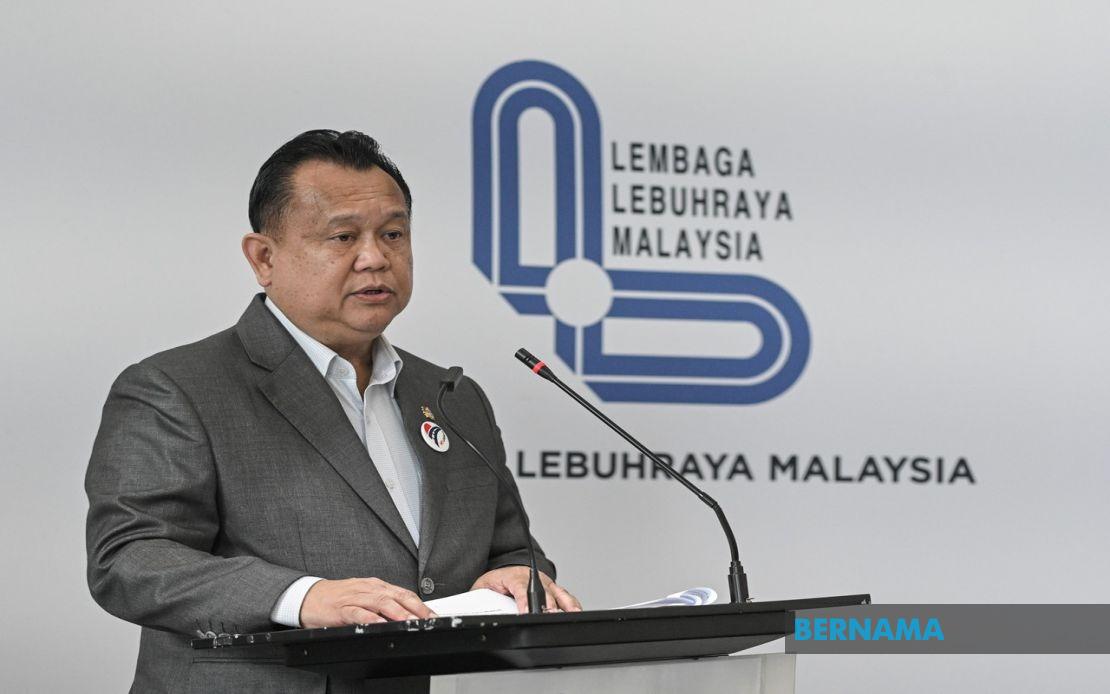
Malaysia's Works Ministry has committed RM25.2 million towards an ambitious highway safety initiative, deploying solar-powered LED street lights at 32 carefully identified accident hotspots across the nation's road network. Datuk Seri Alexander Nanta Linggi, the Works Minister, announced that the project represents the first tranche of what was originally budgeted at RM30 million, with the government retaining flexibility to allocate remaining funds as additional safety requirements emerge over time. The initiative aligns with a broader MADANI Monitoring programme aimed at systematically reducing road fatalities and injuries through improved visibility and infrastructure at vulnerable highway sections.
The project's scope is substantial, involving the installation of approximately 3,000 light poles that will collectively transform nighttime visibility across these accident-prone corridors. By harnessing solar energy technology, the government addresses both safety concerns and environmental sustainability simultaneously, reducing the long-term operational costs associated with conventional grid-connected street lighting systems. This approach reflects a shift towards green infrastructure investments within Malaysia's public works sector, positioning the initiative as a model for future road safety projects that incorporate renewable energy solutions.
The allocation responds directly to Prime Minister Datuk Seri Anwar Ibrahim's budget announcement in October 2024, demonstrating the government's commitment to translating budgetary commitments into tangible on-ground improvements. The Works Ministry coordinated with the Finance Ministry and Malaysian Highway Authority (LLM) to identify the 32 locations based on accident data and traffic pattern analysis, ensuring resources are directed towards areas where intervention will yield maximum safety benefits. This collaborative approach between multiple government agencies signals a structured, data-driven methodology in addressing Malaysia's persistent road safety challenges.
The contractor selected for the project has already received the Letter of Acceptance (SST), enabling immediate mobilization of physical works on site. This expedited handover suggests strong execution momentum, with the government targeting full project completion by the end of November 2025. The compressed timeline indicates confidence in the contractor's capacity and reflects the administration's priority on delivering infrastructure improvements within the current fiscal year.
Road safety remains a critical concern across Southeast Asia, with Malaysia experiencing persistent challenges related to highway accidents despite various intervention programmes. Better illumination at high-risk locations addresses a fundamental contributing factor to nighttime collisions, particularly on stretches prone to sudden manoeuvres or hazardous conditions. By targeting the 32 identified hotspots rather than attempting nationwide illumination simultaneously, the government demonstrates pragmatic resource allocation and the ability to scale the initiative based on early outcomes.
The solar-powered nature of these lights brings several advantages beyond environmental credentials. These systems operate independently of the electrical grid, eliminating vulnerability to power disruptions and reducing reliance on conventional energy infrastructure. For remote or less-developed highway sections, solar LEDs provide a cost-effective solution that would otherwise require expensive electrical grid extensions. The technology also requires minimal ongoing maintenance, translating into lower lifecycle costs compared to traditional street lighting and better long-term value for the RM25.2 million investment.
For road users, enhanced lighting at accident-prone locations directly improves visibility for drivers navigating difficult sections, particularly during adverse weather conditions or late-night travel. This proves especially significant on highways connecting major urban centres, where high traffic volumes and varying driver experience levels converge at locations already identified as problematic. The psychological effect of improved lighting—increased perceived safety and driver confidence—may also contribute to behavioural changes that further reduce accident risks.
The decision to retain RM4.8 million from the original RM30 million allocation provides the government with adaptive capacity to expand the programme based on real-world performance and emerging data. This phased approach allows assessment of whether the initial 32 locations experience measurable improvements in accident reduction, informing decisions about prioritizing additional sites for similar treatment. Establishing baseline metrics before and after implementation will be crucial for validating the programme's effectiveness and justifying further investments in renewable-powered infrastructure for road safety.
The initiative carries implications beyond immediate road safety improvements, signalling Malaysia's broader commitment to integrating renewable energy across public infrastructure sectors. As the country pursues its renewable energy targets and seeks to modernize aging highway infrastructure, projects like this demonstrate that sustainability and safety need not be competing priorities. The visibility and relatively rapid implementation of this solar lighting project may encourage similar green infrastructure adoptions across other government departments and agencies.
Looking forward, the success of this RM25.2 million investment will likely influence how Malaysia approaches future road safety investments. If accident statistics show meaningful reductions at the 32 equipped locations, pressure will build for expanded deployment across the wider highway network. Conversely, any shortcomings will provide valuable lessons for refining the technology deployment, lighting specifications, or selection criteria for high-risk locations. Either outcome contributes valuable evidence for evidence-based policymaking in Malaysian road safety initiatives.

