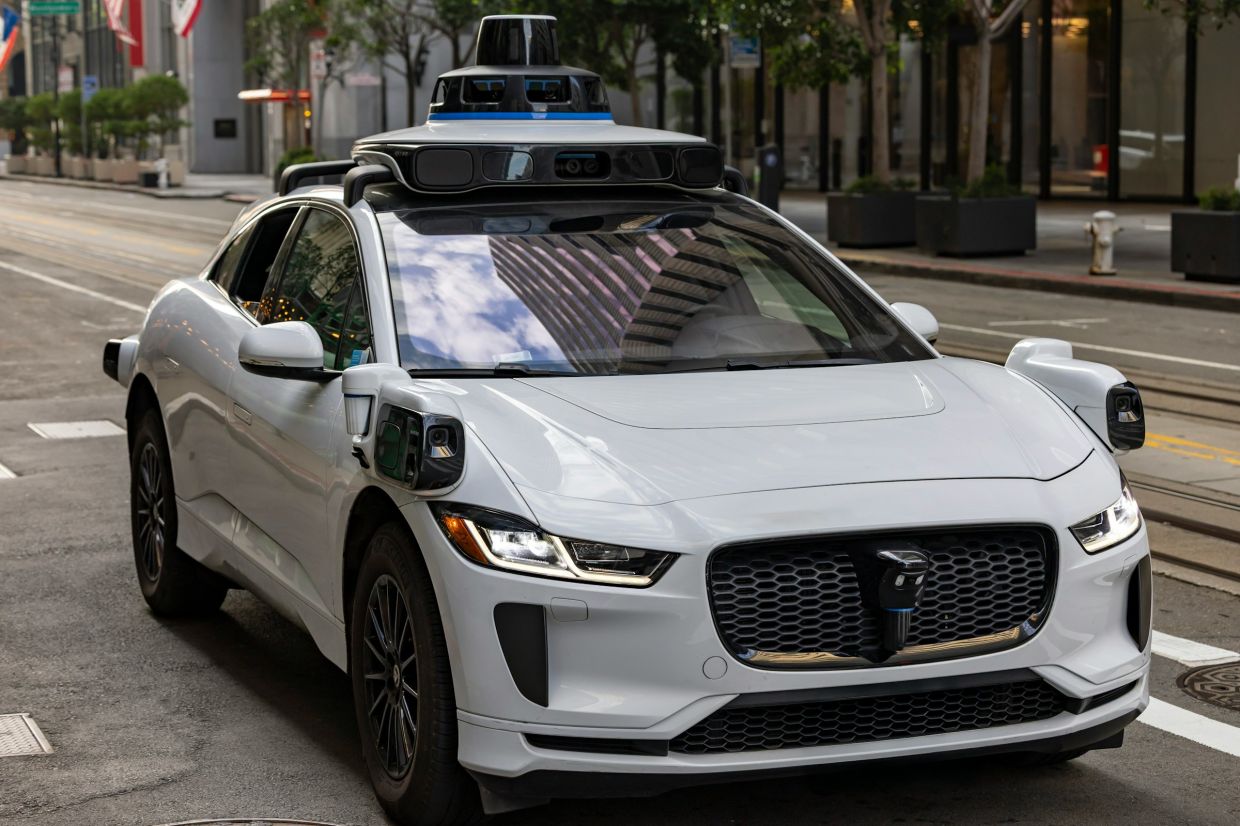
A fatal gas explosion in Texas last May exposed a critical vulnerability in autonomous vehicle technology when rescue workers found themselves blocked for more than three minutes by a robotaxi whose artificial intelligence system could not recognise the emergency and move aside. The incident was not isolated. In March, emergency responders rushing to an active shooting in central Austin discovered their ambulances trapped behind a Waymo vehicle that became immobilised while attempting a U-turn, forcing a police officer to manually operate the stalled robotaxi to clear the path. These real-world failures have catalysed a regulatory response, with Texas introducing new legislation that mandates stricter operational oversight, formal licensing protocols, emergency management procedures and enhanced complaint resolution mechanisms for autonomous vehicle operators.
The scope of problematic robotaxi behaviour extends well beyond emergency response scenarios. CNN's investigation identified hundreds of documented instances where autonomous vehicles executed dangerous manoeuvres on public roads, including running red lights, entering oncoming traffic lanes, penetrating active crime scenes, ignoring temporary road closures and narrowly avoiding collisions with cyclists and pedestrians who were obeying traffic regulations. Such incidents contradict the fundamental design premise that these vehicles should be programmed to handle precisely these situations safely. The frequency of failures has prompted Waymo, the leading robotaxi operator, to initiate multiple large-scale recalls and suspend service in several cities over recent months. In San Antonio, a driverless Waymo vehicle was swept away entirely after entering flood-affected streets, and similar incidents have occurred across multiple municipalities following severe weather events.
Despite these concerns, Waymo maintains that its autonomous fleet has substantially improved road safety. The company contends that its robotaxis are thirteen times less likely to be involved in crashes causing serious injury compared to vehicles operated by human drivers. This statistical claim forms the company's primary counterargument to safety critics, though the assertion does not address the specific category of emergency response failures and environmental hazard avoidance that have sparked regulatory intervention. The disconnect between aggregate safety statistics and real-world incident reporting highlights a crucial gap in how autonomous vehicle performance is measured and communicated to the public.
The challenges facing robotaxi deployment in the United States reflect broader global uncertainties about whether this technology is genuinely ready for widespread public use. China has deployed thousands of autonomous taxis in cities across the country, yet public confidence has not kept pace with official enthusiasm for the technology. When more than one hundred robotaxis in Wuhan abruptly ceased functioning simultaneously, the operator Baidu offered minimal transparency, providing only a vague explanation that attributed the failure to an unspecified system malfunction. Chinese taxi drivers, whose livelihoods face displacement, have joined citizens in questioning the safety assurances offered by manufacturers and government authorities. The combination of legitimate safety concerns, economic displacement anxiety and operational opacity has generated considerable public resistance in markets where robotaxis are most prevalent.
One particularly revealing incident occurred in Atlanta when dozens of empty Waymo vehicles, driven by a software glitch, circled repeatedly through a residential neighbourhood and became stuck in a cul-de-sac for an extended period. The phenomenon, described locally as a Waymo invasion, left residents frustrated and apprehensive about the safety implications of malfunctioning autonomous systems in areas populated by children and pets. The incident demonstrated that robotaxi failures are not confined to operational safety during normal conditions but can extend to basic navigation logic and geofencing capabilities. These are foundational systems that should function reliably before autonomous vehicles circulate unsupervised through residential communities.
From an engineering perspective, the problems revealed in these incidents stem from fundamental limitations in how autonomous systems process information and respond to unpredictable real-world conditions. Robotaxis must manage sensor interpretation, object recognition, route optimisation and, critically during emergencies, establish functional communication protocols with emergency services. A vehicle capable of remotely unlocking its doors but dependent on official authorisation codes to respond could trap occupants inside during time-critical situations. Similarly, robotaxis that become immobilised while manoeuvring through narrow passages or navigating temporary road obstacles demonstrate that current systems lack sufficient robustness in boundary conditions that human drivers routinely navigate. The technology appears to function adequately in defined scenarios but encounters systematic failures when confronted with situations outside its training parameters.
The regulatory landscape is shifting in response to these accumulating concerns. Texas's new legislation represents the first significant attempt to impose formal accountability structures on autonomous vehicle operators, requiring comprehensive emergency procedures, mandatory licensing and expanded regulatory intervention authority. Across the developed world, authorities are grappling with a fundamental tension: autonomous vehicles may eventually deliver substantial safety improvements, but current deployment practices have outpaced the regulatory and technical safeguards necessary to ensure public protection. Even advocates for autonomous vehicle technology acknowledge that realising its safety potential requires serious industry attention to failures and robust governmental oversight rather than permissive regulation based on future promises.
Waymo's recent launch of its new Ojai robotaxi, developed in partnership with Zeekr and incorporating sixth-generation software, demonstrates the company's commitment to continued expansion despite regulatory pressures. However, product iterations and technical improvements have not translated into resolution of the specific emergency response and environmental hazard failures that have triggered regulatory intervention. The critical uncertainty is whether manufacturers can align their development priorities with emerging compliance requirements quickly enough to satisfy regulators. This represents a fundamental challenge for the entire autonomous vehicle sector: the technology's evolution must now be guided not by optimisation metrics and market expansion timelines but by safety standards that may require significant operational constraints or functional limitations.
For Malaysian readers and Southeast Asian observers, these developments carry particular significance as the region considers its own regulatory frameworks for autonomous vehicle deployment. The regulatory lessons emerging from the United States and China suggest that permitting robotaxi services before establishing comprehensive safety standards, emergency response protocols and transparency requirements will create precisely the problems now forcing Texas and other jurisdictions to implement corrective legislation. Southeast Asian markets present an opportunity to learn from these early deployment failures and establish regulatory foundations that balance innovation potential against public safety requirements from the outset, rather than attempting remedial oversight after autonomous vehicles have already integrated into traffic systems and created operational dependencies.
The fundamental question confronting regulators globally is whether the technology can genuinely evolve to meet safety standards or whether autonomous vehicles have inherent limitations that cannot be overcome. Current evidence suggests that while aggregate safety metrics may favour autonomous systems, their specific inability to handle emergency situations, environmental hazards and boundary conditions that humans navigate intuitively represents a serious safety concern that cannot be addressed through statistical averaging. The path forward requires manufacturers to prioritise robustness in these specific failure categories rather than claiming overall safety advantages. Until robotaxis can reliably clear paths for emergency vehicles, navigate temporary hazards and communicate effectively with emergency responders, their expansion into new markets should proceed cautiously if at all.

