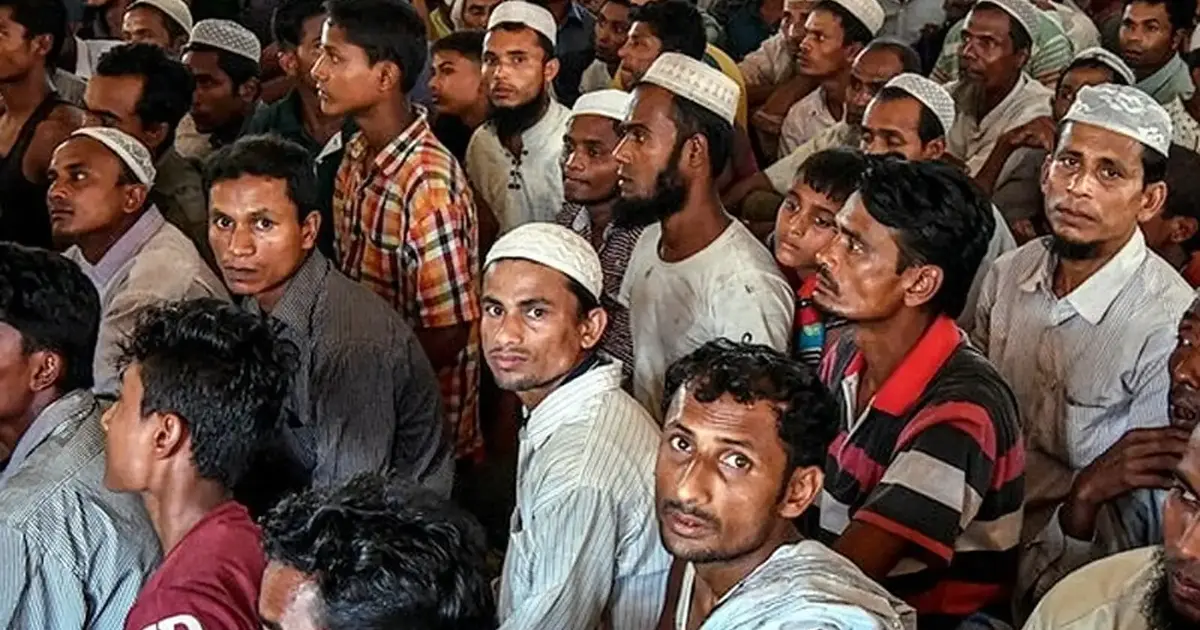
The Rohingya Ulama Council has moved to quash circulating reports suggesting the community is actively pursuing Malaysian citizenship, with the organization's leadership dismissing the allegations as deliberate misinformation designed to inflame public sentiment. Rahimullah Hussain, serving as chairman of the council, emphasized that such claims lack factual foundation and represent a calculated effort to generate animosity toward the Rohingya population already facing significant social pressures within Malaysia.
The denial comes amid broader sensitivities surrounding the Rohingya presence in Southeast Asia, where the stateless community has sought refuge from ongoing persecution in Myanmar. Malaysia has hosted one of the largest populations of Rohingya displaced persons globally, with estimates suggesting hundreds of thousands have arrived seeking safety over recent decades. The influx has generated considerable public discourse, ranging from humanitarian concerns to anxieties about integration, resource allocation, and long-term demographic impacts.
Hussain's statement reflects a pattern observed across refugee advocacy organizations globally, where leadership frequently finds itself compelled to counteract unverified claims that magnify existing community vulnerabilities. The timing and circulation of such allegations merit examination, as they often emerge during periods of heightened political attention to migration issues or when competing narratives about refugee populations gain traction in public discourse.
For Malaysian policymakers and the general public, the council's pushback underscores the complexity of managing refugee populations within a nation-state framework. While Malaysia is not a signatory to the 1951 Refugee Convention, it has tacitly permitted Rohingya settlement for humanitarian reasons, creating a unique legal limbo where the community exists without formal citizenship pathways or comprehensive legal recognition. This ambiguity itself can become fertile ground for speculation and misrepresentation.
The Rohingya Ulama Council's intervention also highlights how community leadership attempts to shape narratives about their constituents. By explicitly rejecting citizenship claims, the organization may be attempting to defuse one of the more sensitive political concerns—that refugee populations might eventually seek permanent legal status that could alter Malaysia's demographic composition. Such preemptive clarifications, while potentially helpful in reducing immediate tensions, can paradoxically reinforce the notion that citizenship aspiration is something requiring denial rather than being addressed through transparent policy discussion.
Regional observers note that allegations of this nature tend to circulate most actively during periods when anti-refugee sentiment gains momentum in public discourse. Malaysia's political landscape has witnessed fluctuating attitudes toward Rohingya presence, influenced by economic conditions, competition for resources, and periodic security concerns. Claims about citizenship ambitions tap into deeper anxieties about sovereignty and national identity that resonate across Southeast Asian societies navigating their own relationships with stateless populations and migration pressures.
The council's assertion that such narratives are fabricated warrants serious consideration, particularly given the established pattern of misinformation campaigns targeting vulnerable populations globally. However, the very necessity of issuing such denials indicates how readily unverified claims can gain currency and influence public opinion. Malaysian media literacy and public discourse would benefit from more rigorous examination of sources making such allegations, and greater institutional commitment to fact-checking in an environment where sensational claims frequently outpace careful verification.
From a practical standpoint, the Rohingya community's long-term status in Malaysia remains unresolved at both policy and legal levels. Without clear frameworks addressing refugee integration, employment, education, and social services, ambiguity persists that various actors can exploit for political or inflammatory purposes. Addressing such rumors effectively requires not merely denial but proactive engagement with substantive questions about how Malaysia intends to manage its de facto refugee population.
The council's statement also reflects international patterns wherein refugee organizations must constantly battle misinformation while simultaneously advocating for their communities' basic needs and rights. This dual burden—defending against false allegations while pushing for meaningful policy recognition—consumes significant leadership energy that might otherwise focus on concrete welfare improvements for vulnerable populations.
Looking forward, Malaysian society faces a choice about how to engage with its substantial Rohingya population. Allowing space for baseless allegations to circulate unchallenged risks deepening polarization, while simultaneously avoiding substantive policy discussions about refugee status, rights, and integration pathways leaves communities vulnerable to ongoing speculation and anxiety. The council's intervention, though necessary, ultimately highlights the need for more comprehensive governmental and civil society engagement with refugee questions beyond reactive denial of particular claims.

