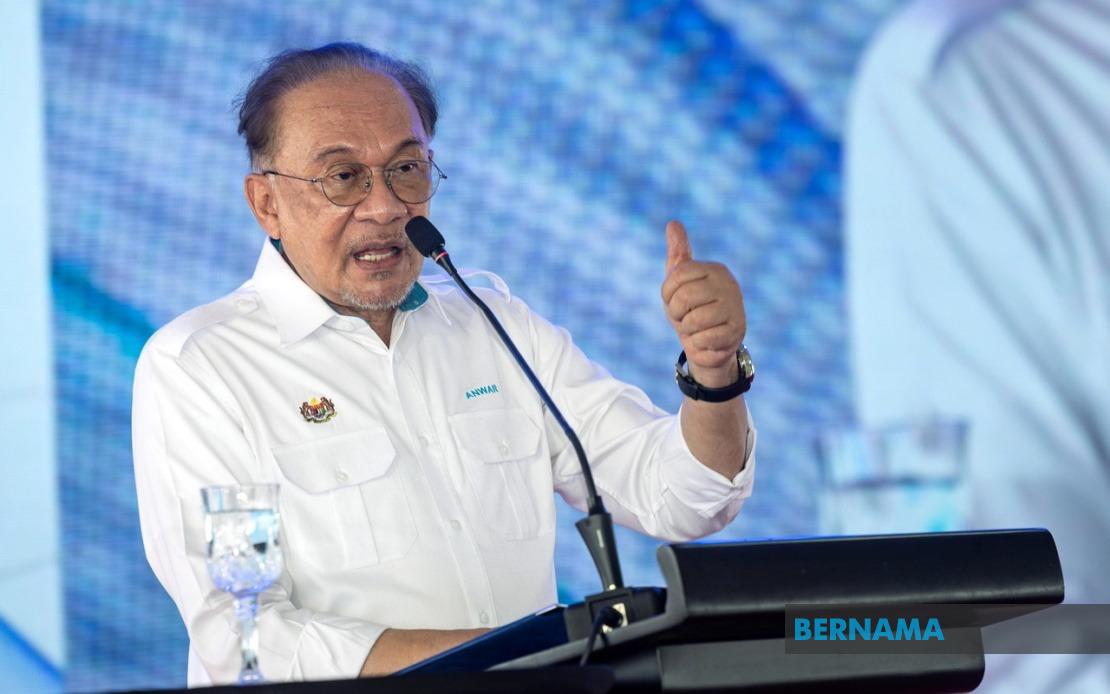
Prime Minister Datuk Seri Anwar Ibrahim has announced a significant diplomatic breakthrough in energy diplomacy, revealing that Malaysia has secured long-term supply arrangements with both Russia and Turkmenistan that will underpin the nation's energy independence for decades to come. Speaking at an industrial park groundbreaking ceremony in Kepala Batas, Anwar emphasised that these agreements represent a major strategic achievement for a resource-dependent economy increasingly focused on energy security.
During his recent official visit to Russia, Anwar held discussions with President Vladimir Putin in Kazan, during which the Russian leader offered Malaysia a comprehensive long-term energy supply agreement spanning at least 20 years. This arrangement encompasses oil, natural gas, and diesel—three critical commodities that fuel Malaysia's manufacturing sector, transportation networks, and power generation infrastructure. The inclusion of multiple fuel types provides Malaysia with diversified supply options and reduces vulnerability to disruption in any single energy source.
The strategic depth of the Russian engagement reflects broader bilateral relationship-building between Kuala Lumpur and Moscow. Anwar characterised the agreement as evidence of strengthened diplomatic ties and mutual friendship, suggesting that Russia views Malaysia as a reliable strategic partner in Southeast Asia. For Malaysia, securing Russian energy supplies offers an alternative to traditional suppliers and reduces concentration risk in the energy portfolio, particularly important given the region's volatile geopolitical environment and supply chain uncertainties that have plagued global energy markets in recent years.
Turkmenistan's contribution to Malaysia's energy security architecture appears even more consequential. Through recent diplomatic engagement culminating in this new partnership, Turkmenistan has granted Malaysia unprecedented access to exploration and development opportunities in its vast hydrocarbon reserves. The Central Asian nation possesses some of the world's largest proven natural gas reserves, making this access extraordinarily valuable for long-term energy planning. Anwar characterised the arrangement as securing Malaysia's energy requirements for the foreseeable future, indicating that negotiations have yielded substantial commercial privileges rather than merely symbolic gestures.
The acceleration of ties with Turkmenistan followed President Serdar Berdimuhamedov's state visit to Malaysia in December 2024, demonstrating that high-level diplomatic engagement can translate rapidly into concrete economic gains. The momentum built during that visit appears to have been maintained and amplified through subsequent negotiations, resulting in tangible commercial access rather than generic statements of cooperation. This pattern suggests Malaysia's diplomatic corps has effectively leveraged presidential-level engagement into binding commercial commitments.
Beyond securing domestic consumption, these agreements position Malaysia as a potential energy hub and transit point for Asian markets with voracious energy appetites. Anwar explicitly noted that Malaysia plans to utilise acquired energy supplies to expand exports to major economic powers including China, Japan, and South Korea. These nations have demonstrated sustained demand for oil and natural gas as they navigate energy transitions and maintain industrial competitiveness. By securing reliable supply at source, Malaysia can negotiate favourable export contracts and capture value-added economic benefits from energy trading and distribution.
The timing of these announcements reflects Malaysia's broader strategic pivot toward energy security as a cornerstone of national development policy. Global energy markets have experienced significant volatility, price shocks, and supply disruptions over the past five years, underscoring the vulnerability of economies dependent on spot market purchases or short-term contracts. By locking in long-term supply agreements, Malaysia reduces exposure to price volatility and ensures predictable energy costs for industrial planning and competitiveness. This approach provides manufacturing and export-oriented sectors with the cost certainty necessary for long-term investment decisions.
Anwar's emphasis on leveraging international relations to advance national interests reflects a pragmatic foreign policy orientation that prioritises economic outcomes alongside diplomatic objectives. The Prime Minister argued that bilateral and multilateral relationships should be instrumentalised to secure energy supplies, create employment opportunities, and facilitate economic development—outcomes that directly affect citizen welfare and standard of living. This framework justifies diplomatic efforts and international engagement as investments in tangible domestic benefits rather than abstract relationship-building.
The energy agreements also carry implications for Malaysia's industrial development strategy. Secure, long-term energy supplies at competitive prices enhance Malaysia's attractiveness to energy-intensive manufacturing operations, particularly in petrochemicals, refining, and industrial processing sectors. International manufacturers evaluating Southeast Asian locations consider energy cost predictability as a critical factor in site selection. Malaysia's new supply agreements position the country competitively against regional rivals and strengthen its value proposition for foreign direct investment in energy-dependent industries.
Regionally, Malaysia's energy diplomacy with Russia and Turkmenistan reflects the country's independent foreign policy approach. Rather than relying exclusively on traditional Western suppliers or depending entirely on nearby regional sources, Malaysia is actively cultivating relationships with diverse energy-producing nations across different geopolitical spheres. This polyvalent approach aligns with Malaysia's broader commitment to non-alignment and strategic autonomy in international affairs, principles that have historically guided Malaysian foreign policy across successive administrations.
The long-term nature of these agreements—spanning 20 years for Russian supplies and decades for Turkmen gas access—indicates confidence in sustained bilateral relationships and political stability in both partner countries. Energy infrastructure investments and supply chains built on such agreements require predictability and institutional continuity. The willingness of Russian and Turkmen leadership to commit to extended timeframes suggests mutual interest in deepening economic interdependence and political cooperation with Malaysia.
Moving forward, Malaysia's energy security architecture will depend on effective implementation of these agreements and managing potential supply chain complexities spanning vast geographic distances. Investment in storage infrastructure, transportation logistics, and refining capacity will be necessary to maximise the value of newly secured supply access. These downstream investments represent additional opportunities for industrial development and job creation throughout Malaysia's energy sector and related industries.

